What’s Inside
- Figure Out Your Real “Magic Number”
- Do A Brutally Honest Lifestyle Audit
- Invest In Basics That Don’t Feel Like Sandpaper
- Pick 3 Core Neutrals For Your Outfit Capsule Wardrobe
- Embrace The 2026 Trend Of Organic Materials
- Give Upcycled And Deadstock Fabrics A Try
- Stop Being Scared Of Multiples
- Add Sophisticated Tank Dresses To The Mix
- Pay A Tailor To Make Cheap Clothes Look Expensive
- Do The Cost-Per-Wear Math Honestly
- Keep 20 Percent Of Your Closet “Unsafe”
- Look For Pre-Planned Modular Collections
- Lean Into Soft Tailoring For Work
- Test Drive The 3-3-3 Rule For A Weekend
- Normalize Wearing The Exact Same Thing
- Lock Down One Signature Accessory
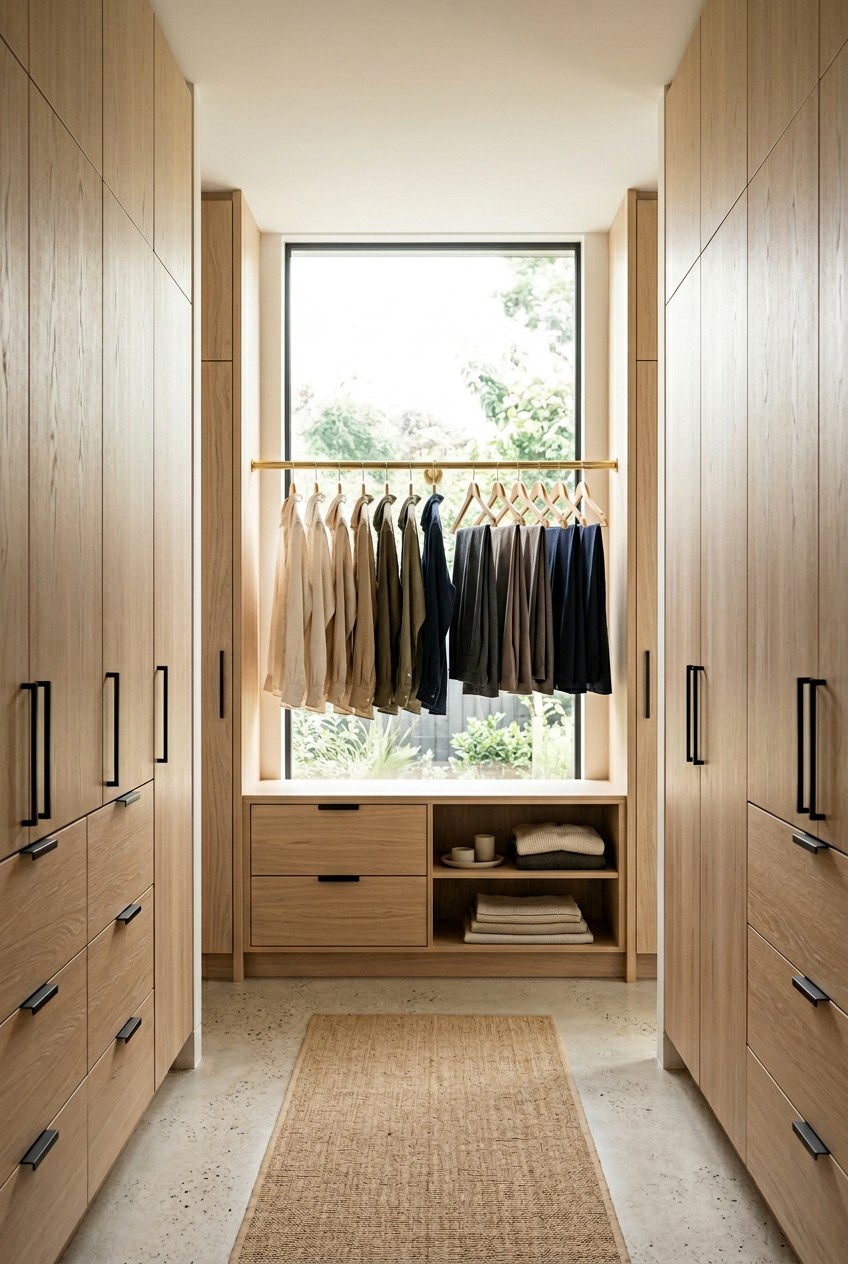
Three years ago, I stood in my bedroom buried under a mountain of cheap polyester sweaters, crying because I had exactly zero things to wear to an important client meeting. The air in my room smelled like dusty dry cleaning bags and stale perfume. That was the moment I realized my closet was a chaotic mess, and I needed an outfit capsule wardrobe that actually worked for my real life. Building a capsule doesn’t mean tossing everything you own into black trash bags. It means curating clothes that feel like a warm hug on a cold morning. I tried this wrong for months before figuring it out. Learned that the hard way. I bought scratchy wool that made my neck break out and shoes that gave me horrible blisters. Now, I’m sharing the exact steps to create a closet that feels like home. Let’s start.
1. Figure Out Your Real “Magic Number”

Most people get this wrong right out of the gate. They read a blog post and decide they must own exactly 33 items. I tried the Project 333 method a few years ago. I ended up freezing in the Chicago winter because I didn’t include enough heavy coats. I remember standing in front of my mirror, shivering in a thin cardigan because I’d hit my 33-item limit and refused to buy a proper wool coat. That was a miserable mistake. Instead of sticking to a fixed number, determine a range that suits your actual lifestyle and the local climate. While ultra-minimalist wardrobes might contain 10 to 15 core items, a standard capsule often ranges from 25 to 40 pieces per season. This usually excludes accessories, workout gear, and special occasion wear. As minimalist expert Kim Bedene advises, “Don’t worry about the number, build your wardrobe with what you will love and find useful.” Last winter, I bought a basic long-sleeve tee at Target for $15. It shrunk three sizes in the wash. That taught me to focus on the quality of my 35 pieces rather than just hitting a random numerical goal. Your magic number is just a guideline.
2. Do A Brutally Honest Lifestyle Audit

Before selecting a single item, map out your typical week. I used to buy clothes for a fantasy version of myself who attended fancy cocktail parties every Friday night. The reality? I spend my weekends pushing a heavy metal cart around Costco buying 24-packs of toilet paper. Note exactly how much time you spend at work, running errands, socializing, exercising, and relaxing. Your closet needs to reflect your actual life, not an aspirational one. If you live in sneakers but own six pairs of heels, you’re setting yourself up for daily frustration. I wasted hundreds of dollars on uncomfortable stilettos before I admitted I just wanted to wear my $110 New Balance 574 sneakers everywhere. Track your activities for one full week. Write down the textures you crave when you’re tired. If you work from home five days a week, your capsule should consist mostly of soft cotton tees, not stiff pencil skirts. I guarantee you’ll reach for soft cotton over stiff polyester every single time. Build your foundation around the clothes you actually wear when nobody is looking.
3. Invest In Basics That Don’t Feel Like Sandpaper

Avoid the fast fashion trap by prioritizing quality over quantity. I used to buy $5 shirts that felt like literal sandpaper against my skin. They’d pill after two washes and smell like burnt plastic if I left them in the dryer too long. Now, I personally swear by a well-made white T-shirt. Brands like KOTN are incredible for this. They use soft, durable Egyptian cotton, and their tees are priced around $28 to $148 depending on the style. J.Crew’s Perfect-fit Short-sleeve T-shirt is another staple I keep in heavy rotation. It costs about $39, is made of 100 percent cotton, and looks refined enough for office wear. When you touch these fabrics, they feel cool and substantial against your fingers. They don’t cling to you in weird places. Skip the paper-thin cheap stuff. It tastes like wet cardboard in clothing form. Spend a little more upfront so you aren’t replacing your entire foundation every three months. Your skin will thank you.

WIHOLL Womens Summer Tops 2026 Short Sleeve V Neck T Shirts
A dependable everyday pick — WIHOLL Womens Summer Tops 2026 Short Sleeve V Neck T Shirts Fashion Be pulls in 65 ratings at 4.5 stars. Not flashy, just solid.
4. Pick 3 Core Neutrals For Your Outfit Capsule Wardrobe

You need a cohesive color palette if you want this to work. Build your capsule around three or four core neutral colors. Think black, white, navy, grey, camel, or olive green. These shades can be easily mixed and matched without any mental gymnastics at 6 AM. I used to buy neon pink blouses and mustard yellow trousers. I looked like a walking highlighter and none of my clothes matched. Now, my base is navy and camel. I buy my favorite $88 straight-leg jeans from Madewell in a dark wash, and pair them with a camel sweater. Once you have your neutrals locked down, you can introduce two or three accent colors that complement your skin tone. I love adding a deep burgundy scarf or a soft blush pink cardigan. This ensures versatility without causing a headache when you’re getting dressed in the dark. It’s a simple rule, but it completely fixes the “I have nothing to wear” panic.
5. Embrace The 2026 Trend Of Organic Materials

In 2026, there’s a massive shift towards eco-friendly fabrics, and I’m entirely here for it. You want to look for GOTS-certified organic cotton, Tencel, organic linen, hemp, or bamboo lyocell. These materials actually breathe. Last Tuesday, I was power-walking through Trader Joe’s trying to grab the last bag of frozen edamame. I was wearing a cheap synthetic blouse and I sweat right through it. It was humiliating. Now, I stick to brands like Amour Vert. They use Tencel and organic cotton, and they plant a tree for every $50 T-shirt you buy. Fair Indigo is another great option. They sell GOTS certified organic Pima cotton tees for about $45 that are ethically made. When you run your hand over organic Pima cotton, it feels buttery and expensive. It doesn’t trap odors the way cheap polyester does. Stocking your closet with natural fibers makes getting dressed a tactile pleasure instead of a sweaty nightmare. You might also like: 20 Cozy Minimalist Saving Money Lifestyle Tips You Need to See
6. Give Upcycled And Deadstock Fabrics A Try

A major trend for 2026 is the use of upcycled and deadstock fabrics to drastically reduce waste. I used to ignore the sustainability of my clothes until I opened a package from a fast fashion site and the chemical smell gave me a migraine. It smelled like gasoline and cheap perfume. Now, I look for brands that embrace circularity. Reformation is my go-to for this. They use vintage and deadstock materials to create stylish, limited-edition pieces. They give new life to old textiles. I bought a gorgeous floral midi dress from them for $128, made entirely from deadstock rayon. It drapes beautifully and feels incredibly soft against my legs. Plus, knowing that fabric was saved from a landfill makes me feel better about my shopping habits. Upcycled clothing often has unique textures and weights you just can’t find in mass-produced garments. It adds a layer of history and character to your closet that brand-new synthetic fabrics simply lack. You might also like: 20 Charming Minimalist Counter Decor Kitchen Ideas That Are Totally Worth It

ANRABESS Women Long Sleeve Shirts Rib Knit Slim Fit Tops
If you want something that just works, ANRABESS Women Long Sleeve Shirts Rib Knit Slim Fit Tops Basic Tee 202 is a safe bet (96 reviews, 4.5 stars).
7. Stop Being Scared Of Multiples

If you find a basic item you love and that fits perfectly, don’t be afraid to buy multiples. Fashion editors constantly suggest having several identical basic T-shirts or camisoles. It streamlines your dressing process and ensures you always have a fresh option ready to go. I used to think buying two of the same shirt was a waste of money. Then, I spilled a $5 iced matcha latte all over my favorite white tee right in the middle of Whole Foods. It was a sticky, green disaster. I had to drive home in a damp shirt smelling like sweet grass. Now, I own three identical $30 Organic Cotton Box-Cut Tees from Everlane. When one is in the laundry, I have a pristine backup waiting in my drawer. Having multiples of your absolute favorite items removes the anxiety of ruining your only good shirt. It’s the ultimate hack for minimalist living. You might also like: 15 Brilliant Minimalist Simple Living Tips That Changed Everything
8. Add Sophisticated Tank Dresses To The Mix

For Spring and Summer 2026, sophisticated tank dresses are making a mark. I used to hate tank dresses because they were always made of flimsy jersey material that clung to every single lump and bump. I felt completely exposed. Now, the trend is focused on fitted, body-skimming shapes in fabrics with a stiffer, heavier structure. You can look to high-end brands like Prada or The Row for inspiration on this minimalist staple. Personally, I found a fantastic structured heavy-cotton tank dress at COS for $89. The thick 8-ounce cotton holds its shape beautifully. It doesn’t wrinkle when I sit down, and it feels like wearing soft armor. You can throw a denim jacket over it for a casual Saturday, or wear it with sharp loafers for a Tuesday office meeting. A structured tank dress is the easiest one-and-done outfit you’ll ever own.
9. Pay A Tailor To Make Cheap Clothes Look Expensive

A surprising tip most people ignore is to invest in professional tailoring. Even a highly affordable garment can look high-end when it fits your body perfectly. I used to drag the hems of my jeans through muddy puddles because I was too cheap to get them hemmed. The bottoms would fray and smell like dirty rainwater. Budget $15 to $40 for basic alterations like hemming pants or taking in a waist. It significantly enhances the longevity and wearability of your pieces. I recently bought a pair of $98 Levi’s 501 jeans. They were slightly gaping at the back of my waist. I paid my local tailor $25 to take the waist in by one inch. Now, they fit perfectly snug against my lower back without needing a belt. Tailoring takes a garment from “good enough” to “made specifically for me.” It’s the best money you’ll ever spend on your wardrobe.
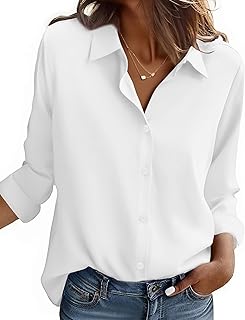
ZEAGOO Button Down Shirt for Women Long Sleeve Blouses
If you want something that just works, ZEAGOO Button Down Shirt for Women Long Sleeve Blouses Floral Printed is a safe bet (14 reviews, 4.5 stars).
10. Do The Cost-Per-Wear Math Honestly

Instead of focusing solely on the initial price tag, consider how many times you’ll actually wear an item. Spending $120 on a pair of jeans that you wear 120 times means they cost exactly $1 per wear. That’s a better investment than a $40 pair you only wear twice. A few years ago, I bought a pair of $15 jeans at Walmart because I thought I was getting a bargain. I bent down to pick up a dropped apple at Sprouts and the back seam completely ripped open. It was horrifying. I had to tie my sweater around my waist and waddle to my car. That mindset encourages buying higher quality items that actually last. When I drop $150 on a thick, 100 percent wool sweater, I know I’ll wear it 50 times a winter for the next five years. The math always favors quality over cheap, flimsy bargains.
11. Keep 20 Percent Of Your Closet “Unsafe”

A common mistake I see is making all capsule pieces way too safe or neutral. This leads to immediate boredom. While neutrals are your foundation, you need to incorporate 20 to 30 percent of your capsule with items that express your personal style. I spent six months wearing nothing but beige and black. I looked in the mirror and realized I looked like a sad, beige blob. It drained my energy. Now, I make sure to include items with a unique cut, a subtle pattern, or a bright accent color. You need pieces that make you feel excited to get dressed in the morning. I have a $120 embroidered floral blouse from Anthropologie that I absolutely adore. The colorful threads pop against my basic navy trousers. It makes me smile every time I put it on. If your closet doesn’t have a little bit of joy and personality mixed into the basics, you won’t stick to the capsule concept. You’ll just end up binge-shopping out of pure boredom.
12. Look For Pre-Planned Modular Collections

If you hate making decisions, modular collections are going to save your sanity. Brands like VETTA Capsule design modular collections where pieces are specifically made to mix and match. This maximizes your outfit possibilities with far fewer items. This approach simplifies decision-making and ensures versatility. I used to stare at a closet full of random separates, trying to force a silk blouse to match a corduroy skirt. The textures fought each other and it just looked messy. VETTA sells items like a $150 convertible sweater that can be worn backwards, forwards, or as a cardigan. The chunky cotton knit feels heavy and luxurious. When you buy pieces that are literally engineered to go together, you eliminate the morning panic. Everything matches, the proportions are correct, and you can get dressed in three minutes flat. It’s a foolproof way to build a functional wardrobe without overthinking every single detail.

Zeagoo Satin Blouses for Women Silk Button Down Shirts Long
If you want something that just works, Zeagoo Satin Blouses for Women Silk Button Down Shirts Long Sleeve Bus is a safe bet (31 reviews, 4.5 stars).
13. Lean Into Soft Tailoring For Work

For 2026, tailoring is taking on a much softer edge. Look for blazers with less structure and trousers with a more fluid, relaxed silhouette. This trend, seen heavily on runways from brands like Saint Laurent, makes traditional workwear feel much more current and comfortable. I used to wear those stiff, heavily padded blazers from the early 2010s. I looked like a linebacker and the stiff polyester dug into my armpits all day. Now, I opt for soft tailoring. I recently bought a $198 slouchy crepe blazer from Aritzia. The fabric drapes beautifully over my shoulders without any rigid padding. It feels as comfortable as a cardigan but looks polished. You can pair a soft, unlined blazer with a simple cotton tee and instantly look put together. It bridges the gap between professional office wear and comfortable weekend lounging. You won’t be desperate to rip your work clothes off the second you walk through your front door.
14. Test Drive The 3-3-3 Rule For A Weekend

For beginners, or when you’re packing for a quick trip, try a micro-capsule challenge using the 3-3-3 rule. You choose exactly 3 tops, 3 bottoms, and 3 pairs of shoes. This exercise quickly reveals which silhouettes and combinations you actually favor, making you far more intentional about future purchases. Last year, I packed a massive suitcase for a three-day weekend in Austin. I brought six dresses and four pairs of shoes. I ended up wearing my $130 Birkenstock Boston clogs and the same denim shorts the entire time. Lugging that heavy suitcase up three flights of stairs was a miserable mistake. The 3-3-3 rule forces you to get creative with styling. You realize very quickly that a crisp white button-down can be worn open over a tank, tucked into jeans, or tied over a dress. It breaks your reliance on having a massive volume of clothing and builds your styling muscles instead.
15. Normalize Wearing The Exact Same Thing

A key aspect of minimalist living, and a growing trend for 2026, is normalizing repeating outfits. Even celebrities are finally embracing this sustainable practice, which saves money and reduces waste. I used to feel so much pressure to wear a brand new outfit to the office every single day. I’d do laundry at midnight just to avoid being seen in the same sweater twice in one week. It was exhausting. Now, I focus on styling my core pieces in fresh ways with accessories rather than constantly seeking new garments. Last Thursday, I did a late-night ice cream run to Kroger wearing the exact same $98 Lululemon Align leggings and oversized sweater I wore on Tuesday. Nobody noticed. Nobody cared. The clothes felt soft, familiar, and comfortable. Repeating outfits is a sign that you actually love your clothes and they fit your body well. Let go of the pressure to put on a daily fashion show.

Arach&Cloz Women’s Wool Blend Sweaters Non See Through
A dependable everyday pick — Arach&Cloz Women’s Wool Blend Sweaters Non See Through Summer Business pulls in 16 ratings at 4.5 stars. Not flashy, just solid.
16. Lock Down One Signature Accessory

Your capsule needs an anchor. Finding one signature accessory ties all your minimal outfits together and makes you look intentional. I spent years buying cheap, trendy jewelry that turned my skin green and snapped in half after two weeks. I’d lose flimsy earrings at the gym and never bother replacing them. Now, I wear a pair of $78 solid gold mini hoops from Mejuri every single day. They never tarnish, they don’t irritate my ears, and they add a tiny flash of warmth to my face. Whether I’m in sweatpants or a silk slip dress, those hoops are on. A signature accessory could be a vintage leather watch, a delicate gold necklace, or even a specific pair of tortoiseshell sunglasses. It gives your minimalist wardrobe a distinct personality. It tells people that your simple outfit is a deliberate choice, not just a lack of effort. No exaggeration.
Building an outfit capsule wardrobe takes a little bit of trial and error, but the peace of mind is worth every single second. You’ll stop wasting money on scratchy fabrics and start loving the clothes you actually own. I’d highly recommend starting with the lifestyle audit before you buy a single new thing. Pin this guide to your favorite Pinterest board so you can reference these rules next time you’re tempted to panic-buy a trendy neon sweater. You’ve got this.
Frequently Asked Questions
How many items should be in an outfit capsule wardrobe?
While some strict rules suggest 33 items, a realistic outfit capsule wardrobe usually contains 25 to 40 pieces per season. This number typically excludes workout gear, pajamas, and accessories. You should focus on building a collection of versatile pieces you actually love wearing.
What colors work best for an outfit capsule wardrobe?
Start your outfit capsule wardrobe with three or four core neutral colors like black, navy, camel, or white. Once your foundation is set, you can easily add two or three accent colors to keep your daily outfits interesting without causing a mismatched headache.
How do I start an outfit capsule wardrobe?
Begin by doing a brutally honest lifestyle audit. Track your activities for a week to see what you actually do. Then, clear out the scratchy, uncomfortable clothes you never wear. Build your outfit capsule wardrobe around high-quality basics that fit your real, everyday life.
Is it okay to repeat clothes in an outfit capsule wardrobe?
Absolutely. Normalizing repeating outfits is the entire point of an outfit capsule wardrobe. When you invest in high-quality, comfortable basics, you’ll naturally want to wear them constantly. You can easily switch up the look of a repeated outfit by swapping your signature accessories.
