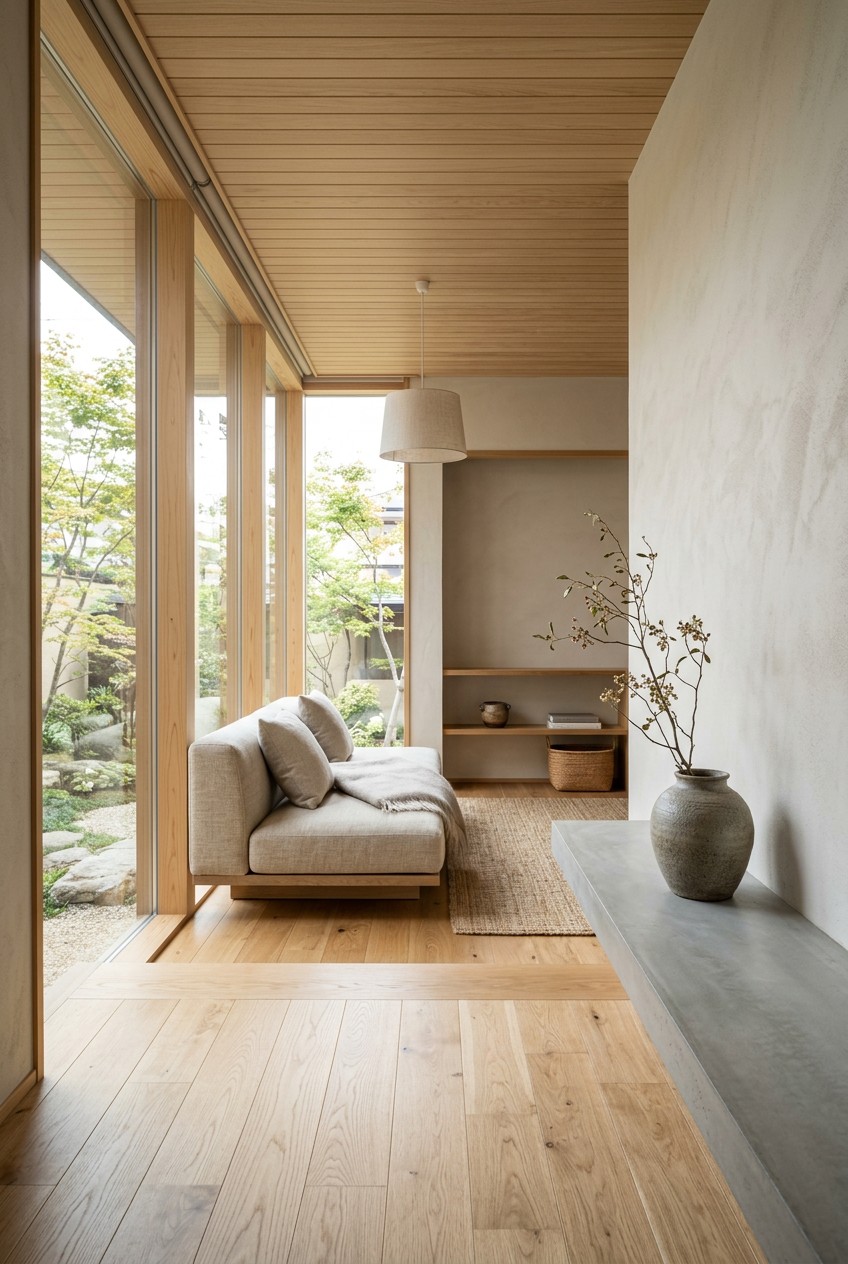
What’s Inside
- Top Lifestyle Minimalist Home Tips: The 90/90 Rule
- Adopt a Digital Declutter Routine
- Invest in Multi-Functional Furniture
- Curate a Capsule Wardrobe with Quiet Luxury
- Streamline Your Kitchen with Multi-Purpose Tools
- Embrace Refillable Bathroom Essentials
- Optimize Vertical Storage Solutions
- Conceal Invisible Clutter with Smart Tech
- Mindful Purchasing with the 30-Day Rule
- Integrate Smart Home Tech for Efficiency
- Create Intentional Zones in Open-Plan Living
- Adopt the Uniform Approach to Daily Wear
- Prioritize Natural Materials and Textures
- Essential Lifestyle Minimalist Home Tips for Pantries
- Digitize Your Heavy Recipe Collection
- The Strict One-In, One-Out Rule for Decor
Last Tuesday at Target, I found myself paralyzed in the home goods aisle under buzzing fluorescent lights. I was clutching a $24.99 faux-brass geometric sculpture that smelled faintly of cheap factory glue. I was trying to buy my way into a simpler space, which is exactly why I needed to rethink my own lifestyle minimalist home tips. My red cart squeaked loudly, already full of plastic storage bins and decorative nonsense I didn’t need. I put the cold metal sculpture back on the metal shelf. It’s embarrassing to admit, but I used to think minimalism meant just buying aesthetically pleasing white things to hide my junk. Skip the fake decor. It looks cheap and collects dust. If you want a space that actually breathes, you have to do the hard work of editing. I tried this wrong for months before figuring it out (took me years to figure out). Here are my favorite lifestyle minimalist home tips that actually work, without making your house look like a sterile hospital waiting room. Let’s get into the specifics.
1. Top Lifestyle Minimalist Home Tips: The 90/90 Rule

Decluttering effectively means asking hard questions. I swear by The Minimalists’ 90/90 Rule. You pick up an item and ask: Have I used this in the last 90 days? Will I use it in the next 90 days? If the answer is no twice, it’s time to donate it. I applied this to my kitchen last month and realized my $29.99 Hamilton Beach waffle maker from Walmart was just collecting sticky grease dust on top of my fridge. I hadn’t made waffles since 2021. Out it went. A common mistake is applying this too strictly to seasonal items. Don’t throw away your heavy winter coat in July just because you haven’t worn it in 90 days. For seasonal gear, adjust the timeframe to 120 days or even six months. You just have to be honest with yourself about its actual purpose. If you’re holding onto a 16 oz bottle of generic sunscreen that expired two years ago, throw it away. Keep the rule simple and it won’t fail you.
2. Adopt a Digital Declutter Routine

Minimalism isn’t just about physical stuff. You’re probably hoarding digital clutter right now. Last Friday, I opened my laptop and the desktop was completely covered in random screenshots. It gave me instant anxiety. Extend your minimalism to your digital life. Regularly clear out unused apps, old PDF files, and duplicate blurry photos of your cat. I highly recommend utilizing cloud storage services. Google Photos offers 15GB of free storage, which is a great starting point. I personally use Dropbox. You get 2GB free, but I pay the $11.99 per month for their 2TB paid plan. It consolidates everything. I used to keep a clunky old Seagate 1TB external hard drive ($59.99 at Best Buy) on my desk. It hummed loudly and vibrated the wood surface. Backing up files to the cloud reduces your reliance on physical hard drives and frees up local device storage. It’s a massive relief to know my documents are safe if my laptop decides to suddenly die.
3. Invest in Multi-Functional Furniture

When you live in a smaller space, every single square inch matters. Choose furniture that serves multiple purposes to maximize your floor plan and reduce the total number of bulky items you own. I personally swear by the IKEA FRIHETEN sleeper sofa. It’s typically priced around $799 to $999 depending on the color you pick. The dark gray fabric has a slightly rough, durable texture that hides stains perfectly. It functions as both a comfortable daytime seating area and a pull-out guest bed. It entirely eliminates the need for a separate guest bed in a small apartment. Look for nesting tables or ottomans with hidden storage compartments underneath. I keep 2 thick wool blankets stuffed inside my living room ottoman. It keeps the visual clutter out of sight but keeps the blankets accessible for cold nights. Skip the cheap, single-use accent chairs that just end up holding a pile of laundry. Buy pieces that work hard for your space.

UTTCMK Bookshelf Decor Thinker Statue
UTTCMK Bookshelf Decor Thinker Statue – Abstract Art Reading Thinker S has been one of the most consistently praised picks in this category. 771 reviewers averaged 4.5/5.
4. Curate a Capsule Wardrobe with Quiet Luxury

The 2026 trend of quiet luxury minimalism is exactly what my closet needed. Building a capsule wardrobe of 30 to 40 high-quality, versatile pieces per season changes how you get dressed. Focus on timeless designs and durable materials rather than cheap fast fashion that falls apart after two washes. Brands like Everlane offer incredible foundational pieces. Their Grade-A Cashmere Crew sweater costs about $170. It’s incredibly soft against the skin and doesn’t pill immediately. Cuyana is another favorite. Their Classic Leather Tote is around $228 and smells like rich, genuine leather every time I open it. A massive mistake most people make is buying too many trendy seasonal items that quickly become obsolete. I used to buy cheap neon tops that I’d wear exactly once. Don’t do this. Stick to neutral bases and classic cuts. It makes getting dressed at 7:00 AM so much faster. You’ll never stare at a packed closet and complain that you have nothing to wear.
5. Streamline Your Kitchen with Multi-Purpose Tools

Kitchen counters are magnets for visual noise. Reduce kitchen clutter by replacing single-use gadgets with highly versatile appliances. An Instant Pot Duo 7-in-1 is usually priced between $80 and $200. It functions as a pressure cooker, slow cooker, rice cooker, and steamer. It consolidates four bulky tools into one sleek stainless steel cylinder. I used to have a cheap rice cooker that always burned the bottom layer of my jasmine rice. The Instant Pot cooks 2 cups of perfect rice in minutes. Similarly, a high-speed blender like the Vitamix 5200 (usually around $400 to $500) handles everything. You can make icy fruit smoothies, hot creamy tomato soups, and even grind coffee beans. It replaces a food processor, a juicer, and a standard weak blender. Skip the gimmicky avocado slicers and strawberry hullers. They just jam up your utility drawers. Keep your tool count low and your counter surfaces completely bare. You might also like: 15 Clever Minimalist Living Home Tips You Haven’t Thought Of
6. Embrace Refillable Bathroom Essentials

Aligning with upcoming sustainability trends means taking a hard look at your bathroom trash can. Switching to refillable bathroom products is a massive visual upgrade. I love brands like Blueland. Their Hand Soap Starter Set is exactly $18.00 and comes with a beautiful reusable glass bottle and concentrated refill tablets. You just drop a tablet into 9 oz of warm water. The iris agave scent is light and floral without being overpowering (no exaggeration). Their Multi-Surface Starter Set is $12.80 and works just as well. Grove Collaborative also provides amazing options. They sell liquid concentrates in small glass bottles that smell like fresh pine and lemon. It reduces plastic waste significantly and gets rid of those ugly, mismatched plastic soap pumps from the drugstore. Having uniform glass bottles on your bathroom vanity instantly makes the space feel like a high-end spa instead of a chaotic dorm room. It’s a small change that makes a huge visual impact. You might also like: 20 Charming Minimalist Counter Decor Kitchen Ideas That Are Totally Worth It

Dog Sculpture Home Decor Cute Man and Dog Statue Decoration
A dependable everyday pick — Dog Sculpture Home Decor Cute Man and Dog Statue Decoration for Office pulls in 326 ratings at 4.5 stars. Not flashy, just solid.
7. Optimize Vertical Storage Solutions

If you’re running out of floor space, you need to look up. Maximize your living space by utilizing vertical storage solutions. Systems like Elfa from The Container Store offer customizable metal shelving, mesh drawers, and hanging baskets that mount directly to your walls. Basic individual components start under $10, but a comprehensive custom Elfa closet system can easily range into hundreds or thousands of dollars depending on your specific design. For a much more budget-friendly option, I love the classic IKEA Kallax shelving units. A standard 2×4 unit costs exactly $49.99. I stand mine vertically instead of horizontally. You can customize them with woven baskets or fabric inserts to hide your ugly cords and miscellaneous office supplies. I keep exactly 4 oz of loose leaf tea in a glass jar on the top shelf. Using vertical space draws the eye upward, making your ceilings feel taller and your rooms feel significantly more open. You might also like: 15 Cozy Minimalist Living Lifestyle Tips That Actually Work
8. Conceal Invisible Clutter with Smart Tech

Invisible clutter is the stuff you stop noticing because you see it every day. I’m talking about tangled cables and stacks of mail. Address this immediately. Use a cable management box to hide power strips and thick black cords. I bought a white D-Line Cable Management Box on Amazon for $20.99. It neatly hides the messy power strip under my TV console. For physical documents, invest in a compact document scanner. The Fujitsu ScanSnap iX1600 costs around $495. It’s an investment, but it digitizes paperwork flawlessly. You just feed a stack of bills through it, store the PDF files securely in your cloud services, and then shred the physical copies. I used to keep a massive overflowing cardboard box of old tax returns in my closet. It smelled like dusty old paper. Now, everything lives on a secure server. Clearing off flat surfaces by hiding cords and shredding paper makes your home feel instantly lighter.
9. Mindful Purchasing with the 30-Day Rule

Before making any non-essential purchase, you have to implement the 30-Day Rule. It’s incredibly simple: just wait 30 days. If you still desire the item after this cooling-off period, it’s likely a considered need rather than a late-night impulse buy. Last month at Walmart, I almost bought a $65 oversized cozy throw blanket. It felt incredibly soft, like a cloud. But I forced myself to wait. Two weeks later, I completely forgot about it. Additionally, always calculate the cost per use for items. A $50 cheap pair of shoes used once costs $50 per use. But a $500 pair of leather boots worn 100 times costs $5 per use. This math encourages investment in durable, frequently used goods. This practice helps curb emotional spending and completely eliminates buyer’s remorse. Stop buying cheap things just because they’re on sale. Save up for the high-quality version you actually want.

PoKat 23" Modern Ceramic Table Lamp Set of 2 for Living
If you want something that just works, PoKat 23″ Modern Ceramic Table Lamp Set of 2 for Living Room White Des is a safe bet (15 reviews, 4.5 stars).
10. Integrate Smart Home Tech for Efficiency

Leverage smart home technology to simplify your daily routines and reduce physical items on your walls. Smart lighting systems like Philips Hue are incredible. A basic starter kit typically costs between $70 and $200. You can control the brightness and color temperature straight from an app on your phone. It eliminates the need for multiple bulky dimmer switches and ugly floor lamps. A smart thermostat is another great upgrade. An Ecobee Smart Thermostat costs around $170 to $250. It streamlines your climate control, reducing manual adjustments and saving energy without adding visual clutter to your hallway. The screen is sleek and minimal. I love waking up to a warm house without having to physically walk down the cold hallway to adjust a plastic dial. Keep your tech integrated and subtle. You don’t want your living room looking like a spaceship control panel.
11. Create Intentional Zones in Open-Plan Living

If you have an open-plan house, it can easily feel like a giant, echoing warehouse if you aren’t careful. You need to define functional areas without adding physical barriers like bulky bookcases. Use large area rugs to delineate your living or dining zones. I use an 8×10 ft Ruggable washable rug under my dining table. The system costs around $200 to $500 depending on the cover design. The texture is low-pile, which makes sliding chairs in and out incredibly easy. If I spill 1/2 cup of red wine on it, I just peel the top layer off and throw it in the washing machine. Strategic placement of your sofa, a modern floor lamp, or a narrow wood console table can also create subtle visual divisions. This makes open layouts feel organized and purposeful rather than chaotic. Don’t just push all your furniture against the walls. Float your pieces to create cozy, intentional spaces.
12. Adopt the Uniform Approach to Daily Wear

Reduce decision fatigue and simplify your chaotic mornings by adopting a personal uniform. This is a surprising tip that most people resist at first (learned that the hard way). This doesn’t mean wearing the exact same unwashed outfit daily. It means having 3 to 5 very similar, high-quality outfits that fit your exact style and lifestyle. Think of Steve Jobs’ iconic black turtleneck. My personal uniform consists of black high-waisted denim and a crisp white linen button-down shirt. I own three identical white shirts from Madewell, usually priced at $85 each. The linen has a beautiful, slightly wrinkled texture that looks effortlessly chic. This approach allows you to invest in fewer, better items and completely eliminates the stress of choosing an outfit while you’re half asleep. I used to tear my closet apart trying to match wild patterns. Now, I get dressed in under two minutes flat.

seenlast Candle Warmer Lamp with Timer Dimmer Adjustable
seenlast Candle Warmer Lamp with Timer Dimmer Adjustable Height for Ne has been one of the most consistently praised picks in this category. 38 reviewers averaged 4.5/5.
13. Prioritize Natural Materials and Textures

The upcoming 2026 trend of biophilic design focuses heavily on bringing the outdoors inside. Embrace this by prioritizing natural materials over cheap plastics and synthetics. Wood, stone, linen, and wool add incredible warmth and texture to a minimalist space. If your room is entirely white and gray, it’s going to feel like a hospital. You need organic elements to soften the sharp edges. I love buying fresh eucalyptus from Sprouts or Kroger. A large bunch usually costs about $3.99. I tie it with a piece of twine and hang it directly over my showerhead. The hot steam releases the natural oils, and the entire bathroom smells like a high-end eucalyptus spa. Incorporate a chunky knit wool throw on your sofa or a raw edge wooden coffee table. These natural textures catch the light beautifully and make a stripped-back room feel deeply inviting and grounded.
14. Essential Lifestyle Minimalist Home Tips for Pantries

Let’s talk about the pantry, which is usually the darkest, messiest corner of any kitchen. One of my top lifestyle minimalist home tips is to ditch the ugly, brightly colored cardboard packaging from the grocery store. It creates massive visual clutter. I use the OXO Good Grips 10-Piece POP Container Set, which retails for exactly $112.99 at Target. The thick clear plastic and white lids look incredibly uniform. I decant my Trader Joe’s rolled oats, raw almonds, and jasmine rice into these airtight containers. I can see exactly how much of a 16 oz bag I have left without digging through crumpled boxes. A huge mistake I made early on was buying clear bins without measuring my shelf depth first. My pantry door wouldn’t close for a week until I returned them. Always measure your shelves. Decanting your dry goods keeps food fresh longer and makes cooking a visually peaceful experience.
15. Digitize Your Heavy Recipe Collection

Cookbooks are beautiful, but they take up a massive amount of valuable shelf space and collect sticky kitchen grease. I used to have a stack of 15 heavy hardcover cookbooks sitting on my kitchen counter. They looked messy and I only ever used about three recipes from each one. I finally digitized my entire collection using the Paprika Recipe Manager app. It costs a one-time fee of $4.99 on the app store. You can manually type in your grandmother’s famous 2 tablespoons of cinnamon cookie recipe, or download recipes directly from food blogs with a single click. It strips away all the annoying ads and long blog stories, leaving you with just the clean ingredients and instructions. I donated all my physical cookbooks to a local thrift store. Now, I just prop my iPad up on a sleek metal stand while I cook. It’s so much cleaner.
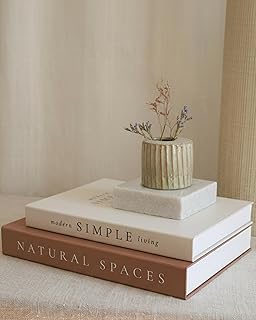
Beautiful Decorative Books
If you want something that just works, Beautiful Decorative Books – Set of 2 Boxes Enhance Your Coffee Table is a safe bet (282 reviews, 4.5 stars).
16. The Strict One-In, One-Out Rule for Decor

This is the golden rule of maintaining a minimalist home once you’ve finally decluttered it. You have to adopt a strict one-in, one-out policy. If you bring a new physical item into your home, a similar item must leave. Last weekend, I went on a Costco run and saw a gorgeous faux-fur throw pillow for $14.99. It was incredibly soft. I bought it, but as soon as I walked through my front door, I immediately took an old, flat, stained throw pillow from my living room chair and put it in the donation bin. If you buy a new coffee mug, an old chipped mug gets donated. This prevents the slow, creeping accumulation of stuff that ruins minimalist spaces. It forces you to evaluate if the new item is actually better than what you already own. It’s a harsh boundary, but it’s entirely necessary if you want to keep your home peaceful.
Creating a minimalist home isn’t about throwing away everything you own until you’re sitting on a hard wooden floor. It’s about intentionally choosing what gets to take up space in your life. I’ve made plenty of mistakes along the way, buying the wrong bins and throwing away things I actually needed. But once you find your rhythm, the peace you feel in your own home is unmatched. Don’t try to tackle your entire house in one weekend. Start with one drawer, one shelf, or one digital folder. If you found these lifestyle minimalist home tips helpful, I’d love it if you pinned this article to your favorite home organization Pinterest board. Save it for the next time you’re standing in the Target aisle, tempted by a cheap plastic decoration you definitely don’t need. You’ve got this.
Frequently Asked Questions
What is the 90/90 rule in minimalism?
The 90/90 rule asks if you’ve used an item in the last 90 days, and if you’ll use it in the next 90 days. If the answer is no to both, it’s time to let it go. It’s great for clearing out everyday clutter.
How do I start a minimalist lifestyle in my home?
Start small to avoid feeling overwhelmed. Pick one single drawer or a digital folder to declutter first. Focus on keeping items that serve a distinct purpose or bring you joy, rather than trying to throw everything away at once.
What are the best lifestyle minimalist home tips for small kitchens?
Invest in multi-purpose tools to save counter space. An appliance like an Instant Pot can replace your slow cooker and rice cooker. Also, decant your dry goods into clear, uniform containers to eliminate bulky, distracting cardboard packaging.
Is minimalism just about having less stuff?
Not at all. It’s about making intentional choices with your space. True minimalism removes the physical and visual clutter so you can actually enjoy the items, furniture, and experiences that matter most to you.
