What’s Inside
- Embrace Emotional Minimalism with Warm Neutrals
- Prioritize Multi-Functional Furniture to Avoid Clutter
- Layer Textures for Depth, Not Visual Noise
- Master the 60/30/10 Color Rule
- Invest in Thoughtful, Layered Lighting
- Incorporate Organic Materials and Curved Lines
- Curate Meaningful Decor, Don’t Eliminate It
- Maximize Natural Light and Use Mirrors Strategically
- Declutter Ruthlessly with a One-In, One-Out Rule
- Utilize Smart, Hidden Storage Solutions
- Incorporate Greenery with Intent
- Focus on Quality Over Quantity
- Create a Single, Clear Focal Point
- Don’t Be Afraid of Subtle Patterns
- Consider Wall-Mounted or Recessed Elements
Last Tuesday at Target, I stood in aisle 14 staring at a cart full of plastic geometric knick-knacks that smelled like cheap glue. I realized my hunt for minimalist home decor had turned into a hoarding situation of beige junk. I’m writing this because getting the “less is more” vibe right isn’t about stripping your house bare until your footsteps echo. It’s about being intentional. I’ve made every mistake in the book. I’ve bought the wrong furniture, picked terrible wall colors, and lived in rooms that felt like a dentist’s waiting area. Let’s fix that sterile white box syndrome. I’m going to walk you through how I turned my cold, empty house into a warm home using specific pieces and strategies. These are the methods I use, including the exact measurements and prices, so you aren’t left guessing. Grab a cup of coffee. Let’s get into it.
1. Embrace Emotional Minimalism with Warm Neutrals

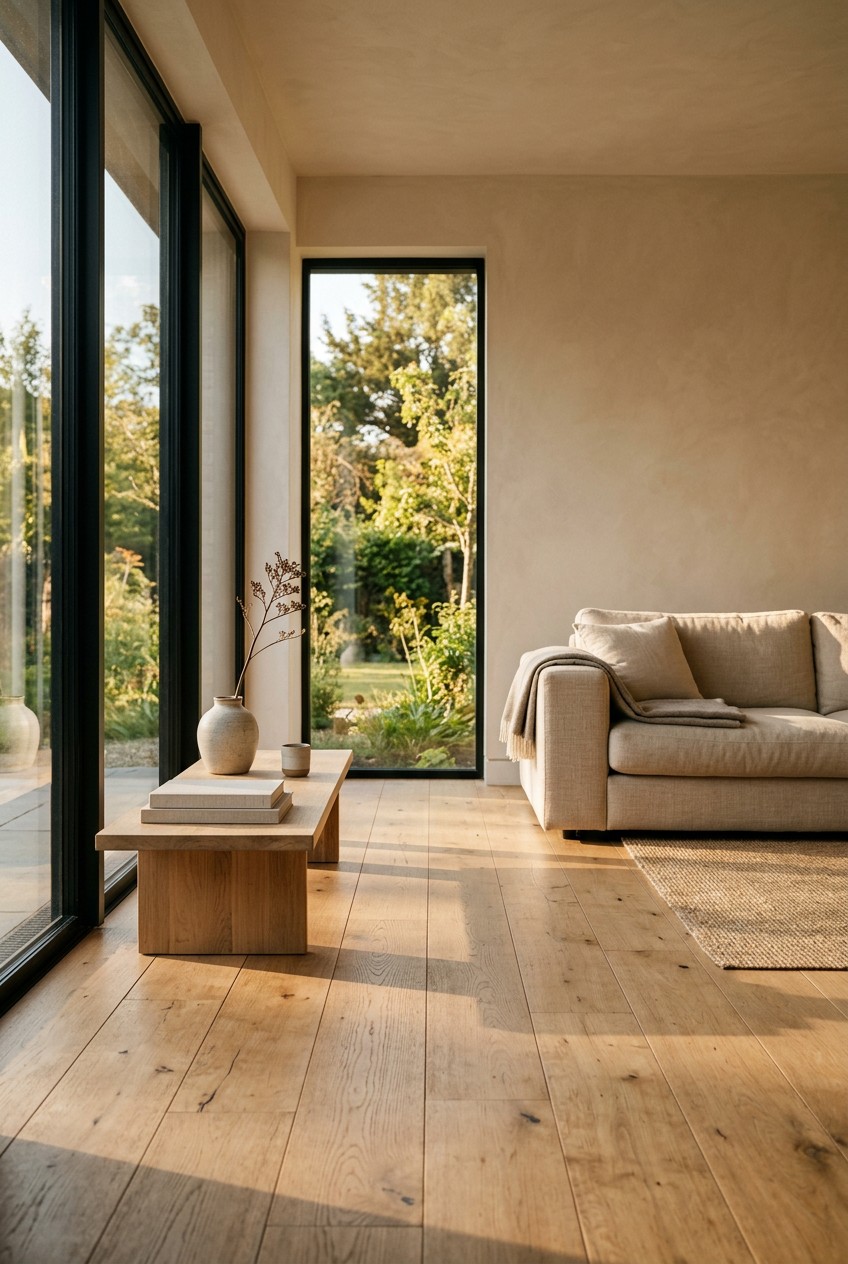
I used to think minimalism meant painting every wall a sterile, blinding white. Three years ago, I bought five gallons of stark white paint from Walmart and covered my living room. It was a disaster. The room felt like a hospital and smelled like bleach for weeks. I’m here to tell you that the 2026 trend of emotional minimalism is a massive relief. We aren’t living in art galleries. We need comfort. Instead of stark white, focus on soft, earthy palettes. I’m talking warm beige, greige, and taupe. I suggest picking up a gallon of Benjamin Moore paint in Revere Pewter. It costs $65.99 for a 1-gallon can, covering about 400 square feet. The matte finish absorbs light rather than reflecting it harshly. Pair those walls with a piece of furniture that invites you to sit down. I’ve been obsessed with the Acanva linen sofa. It costs $1,299.00 for the 84-inch model. The fabric has a rough, organic texture that feels great after a long day. Don’t just leave empty white space. Use colors that mimic nature, like dry clay or river stones. It changes the mood of your whole house.
2. Prioritize Multi-Functional Furniture to Avoid Clutter

A massive mistake I made early on was buying too many single-use pieces. My living room was an obstacle course. I’d constantly trip over magazines stacked on a flimsy side table that served no purpose. I bruised my shin so badly I couldn’t wear shorts for a week. You can’t waste floor space if you want a calm environment. Prioritize multi-functional furniture. I’m a huge fan of the Nathan James coffee table with built-in hidden shelves. It costs $179.99 and measures 36 inches across. The walnut finish feels sturdy, and the hidden compartment holds 4 thick coffee table books and 2 remote controls. Skip the glass coffee tables. They show every fingerprint and always look dirty. Instead, look for a solid storage ottoman. You can use it as extra seating, a footrest for movie nights, and a hiding spot for 3 thick wool blankets. When you buy pieces that do double duty, you cut your visual clutter in half. It’s the easiest way to make a room feel larger without knocking down walls.
3. Layer Textures for Depth, Not Visual Noise

To keep minimalist spaces from feeling cold, you have to incorporate varied textures. Keep everything in your color palette, but remember that slick finishes feel cold. You need linens, wools, and wovens. Last month at Sprouts, I was buying a bundle of dried lavender and realized my living room needed that same rough, organic feeling. I ordered a chunky knit throw blanket from Parachute. It costs $149.00 and measures 50 by 60 inches. The heavy cotton weight feels like a gentle hug. I threw it over my smooth linen sofa, and the contrast was instant magic. You’re also going to want to ground the room with a textured rug. I bought a braided jute rug from Wayfair for $119.99. It’s 5 by 8 feet. The jute is slightly scratchy under bare feet, but in an earthy way. It breaks up the monotony of flat hardwood floors. Don’t mix too many loud colors. Keep the tones muted and let the materials do the talking. Rough wood against smooth ceramic. Soft wool against hard leather. That’s the secret.

Dog Sculpture Home Decor Cute Man and Dog Statue Decoration
Honestly, Dog Sculpture Home Decor Cute Man and Dog Statue Decoration for Office surprised me — sturdier than it looks in the photos, and over 326 buyers gave it 4.5 stars.
4. Master the 60/30/10 Color Rule

When you’re introducing color into a minimal space, you can’t just throw paint at the wall. I tried painting an entire accent wall dark navy once, and it ruined the balance of the room. It felt like a cave. Stick to the 60/30/10 rule. It’s foolproof. 60% of the room should be your dominant color, which is usually your neutral walls. 30% is your secondary color, like the upholstery on your larger furniture. The final 10% is your accent color. Last Friday at Kroger, I bought a fresh bouquet of silver dollar eucalyptus for $5.99. I trimmed the stems to 12 inches and placed them in a heavy glass vase. That pop of muted green became my 10% accent color for the dining room. It draws the eye without overwhelming the senses. You can also use a throw pillow or a piece of art for this 10%. Just don’t introduce more than three distinct hues into a single sightline. If you do, the room feels chaotic.
5. Invest in Thoughtful, Layered Lighting

Leaving too much empty space without proper lighting is a classic mistake. I call it the “interrogation room” effect. I used to rely on a single overhead ceiling fan light. It cast harsh, ugly shadows. In 2026, lighting is becoming an emotional focal point. You need to layer ambient, task, and accent lighting. For ambient light, I swear by the recessed LED fixtures from Magiclyt. A 4-pack of 6-inch lights costs $45.99. Space these downlights 3 to 4 feet apart on your ceiling to avoid hot spots. The light they produce is a soft, warm 3000K glow. Next, add task lighting. I bought a sleek linear wood LED floor lamp from Costco for $119.50. It stands 60 inches tall and is made of real ash wood. The switch clicks with a satisfying, heavy sound. I placed it right next to my reading chair. Finally, add a small accent light on a bookshelf. When you turn off the overheads and just leave the floor lamp and accent light on, the room feels intimate and safe. You might also like: 20 Beautiful Cozy Minimalist Living Room You Haven’t Thought Of
6. Incorporate Organic Materials and Curved Lines

The 2026 trend is moving away from rigid, hyper-minimalism. We’re leaning toward softer, human-centered design. Sharp corners and harsh metal edges feel aggressive. You want furniture and decor with gentle arcs to soften the edges of a room. Natural materials like wood, travertine, plaster, and matte ceramics are essential. I recently bought the Muses Vase from Ferm Living. It costs $85.00 and stands 10 inches tall. The matte ceramic finish is slightly gritty, and the curved shape looks molded by hand. I placed it on a natural wood side table from Thuma. That table costs $295.00, measures 18 by 18 inches, and is made from upcycled rubberwood. The grain is deeply textured. When you run your hand over it, you can feel the history of the tree. Avoid high-gloss plastics and polished chrome. They feel cheap. Stick to materials that came from the earth. They bring a grounded energy into your home that synthetic materials can’t replicate. You might also like: 20 Cozy Minimalist Saving Money Lifestyle Tips You Need to See

PoKat 23" Modern Ceramic Table Lamp Set of 2 for Living
A dependable everyday pick — PoKat 23″ Modern Ceramic Table Lamp Set of 2 for Living Room White Des pulls in 15 ratings at 4.5 stars. Not flashy, just solid.
7. Curate Meaningful Decor, Don’t Eliminate It

A massive misconception is thinking minimalism means having no decor at all. I tried this. I threw away almost everything on my shelves. My living room looked like a vacant apartment. It was depressing. You don’t want to eliminate decor; you want to curate it. Focus on quality over quantity. Choose a few standout pieces that you genuinely love. Last Sunday at Whole Foods, I found an artisanal soap block that looked like a piece of raw stone. It smelled intensely of cedarwood and cost $12.99 for a 6 oz block. I placed it on a small concrete tray in my guest bathroom. It serves a purpose, but it also acts as a sculptural element. For the living room, I invested in the COOEE Design Eve II Sculpture. It costs $75.00 and is 6.5 inches tall. The matte finish catches the afternoon light perfectly. I placed it alone on a floating shelf. When you give a beautiful object plenty of breathing room, it commands attention. Don’t crowd your favorites with cheap filler. You might also like: 20 Lovely Minimalist Simple Living Home Tips for Every Budget
8. Maximize Natural Light and Use Mirrors Strategically

Natural light is the best tool you have for making a space feel open. Heavy, dark drapes are the enemy. I swapped out my blackout curtains for sheer white linen panels. The difference was staggering. Now, morning light filters through the fabric, casting soft dust motes across the floor. To amplify this, use mirrors strategically. Don’t just hang a mirror wherever there’s empty wall space. Hang it directly opposite a window. I bought a large, round brass mirror from West Elm for $299.00. It measures 30 inches in diameter. I hung it across from my east-facing window. The heavy brass frame feels cold and solid. When the sun comes up, the mirror bounces that golden light deep into the corners of my hallway. It doubles the perceived brightness of the room. Clean your windows with a mixture of 1 cup white vinegar and 1 cup water. Streaky windows ruin the illusion of a clean, bright space.
9. Declutter Ruthlessly with a One-In, One-Out Rule

You can’t buy your way into minimalism. If you keep bringing new things into your house without removing old ones, you’re just organizing clutter. Use the “one-in, one-out” rule. For every new item you bring in, you have to remove one. I learned this the hard way. I used to go to Costco and buy bulk home goods because they were on sale. I’d come home with a 3-pack of fuzzy throw blankets and have nowhere to put them. They ended up stuffed into a closet that wouldn’t close. Now, I keep a box of 13-gallon trash bags in my laundry room. They cost $14.99 for a box of 40. Whenever I buy a new sweater or mug, I immediately take one of those bags, find an old item I don’t use, and donate it. It forces you to pause and ask if you really need the new item. It stops the cycle of mindless accumulation.

seenlast Candle Warmer Lamp with Timer Dimmer Adjustable
Honestly, seenlast Candle Warmer Lamp with Timer Dimmer Adjustable Height for Ne surprised me — sturdier than it looks in the photos, and over 38 buyers gave it 4.5 stars.
10. Utilize Smart, Hidden Storage Solutions

Storage is the backbone of a clutter-free home. If everything doesn’t have a designated, hidden home, it’s going to end up on your kitchen counter. I despise visual clutter on my desk. It makes me anxious. I invested in minimalist organization products from Yamazaki Home. Their steel desk organizer costs $35.00 and measures 10 by 3 inches. The matte white steel feels heavy and premium. It hides my pens, paperclips, and charging cables out of sight. For the bedroom, you have to utilize the space under your bed. I bought four under-bed storage boxes from The Container Store. They cost $24.99 each and measure 36 by 18 inches. The plastic is thick, and the latches snap shut with a satisfying click. I store my out-of-season clothes and extra linens in them. When my bedroom surfaces are clear, I sleep better. Don’t use cardboard boxes for storage. They attract dust mites and eventually sag. Invest in rigid, opaque containers.
11. Incorporate Greenery with Intent

Plants add life and color to a room without adding visual clutter. But you have to be intentional. Don’t turn your living room into a chaotic jungle of mismatched plastic pots. I made this mistake. I bought a delicate maidenhair fern, forgot to water it, and spent weeks staring at crispy brown leaves shedding on my floor. It was a mess. Now, I only choose low-maintenance, architectural plants. Last week at Trader Joe’s, I bought a Monstera plant for $12.99. It sits in a simple, matte white ceramic pot. For larger spaces, a Fiddle Leaf Fig is perfect. You can find a 3-foot tall one for about $45.00 at a local nursery. The massive, dark green leaves act as a sculptural element in an empty corner. I water mine with 1/2 cup of filtered water every Tuesday. The smell of damp potting soil brings a bit of the outdoors inside. Stick to one or two large statement plants rather than fifteen tiny succulents. It looks cleaner and is easier to keep alive.
12. Focus on Quality Over Quantity

This is the hardest lesson I had to learn. When I first moved out, I bought the cheapest furniture I could find. I bought a flimsy particleboard dresser for $80. Within six months, the bottom drawer collapsed, and the fake wood veneer started peeling. It looked terrible and stressed me out daily. You have to choose quality over quantity. A well-made piece of furniture will last decades. I finally saved up and bought a solid wood bed frame from Thuma. The Queen size costs $1,095.00. It’s constructed with Japanese joinery, meaning there are no squeaky metal screws. The solid walnut wood is heavy, and the smooth finish feels luxurious. It transformed my bedroom. Yes, it’s an investment, but I won’t have to replace it. This aligns with the trend of valuing sustainability. Stop buying cheap, trendy pieces you’ll throw away next year. Save your money and buy one perfect thing.

UTTCMK Bookshelf Decor Thinker Statue
UTTCMK Bookshelf Decor Thinker Statue – Abstract Art Reading Thinker S has been one of the most consistently praised picks in this category. 771 reviewers averaged 4.5/5.
13. Create a Single, Clear Focal Point

A common mistake is having too many competing elements in a room. If your eye doesn’t know where to land, the space feels chaotic. When looking for minimalist decor, you have to create one clear focal point. In my living room, I used to have a gallery wall of 15 mismatched frames, a patterned rug, and a bold blue sofa. It gave me a headache. I took down the gallery wall, patched the holes, and painted it neutral. Then, I bought a curved armchair from Nathan James. It costs $249.99 and is 28 inches wide. The fabric is a soft, ivory boucle that feels like a teddy bear. I placed it in the corner with a single piece of large abstract art hung above it. Now, when you walk in, your eye immediately goes to that cozy corner. Everything else in the room plays a supporting role. Don’t let your furniture fight for attention. Pick a star and let the rest be the background.
14. Don’t Be Afraid of Subtle Patterns

While minimalism often implies solid blocks of color, using no patterns can make a room feel flat. You don’t want your house to look like a computer rendering. You can use subtle patterns to add intrigue without disrupting the calm. I recommend looking at rugs with gentle geometric designs. I purchased the Tribeca Mason Rug from Cosy House Collection. It costs $135.00 for the 5 by 8 foot size. The background is a soft cream, but it has thin, muted gray lines in a subtle diamond pattern. The synthetic fibers are soft underfoot. The pattern is barely noticeable from a distance, but when you’re sitting on the sofa, it adds enough texture to keep the eye interested. You can also do this with throw pillows. I have a linen pillow with a faint, organic watercolor stripe. It breaks up the solid blocks of beige without screaming for attention. Keep the contrast low. A cream and pale gray pattern works beautifully. A black and white zebra print will destroy the vibe.
15. Consider Wall-Mounted or Recessed Elements

If you want to maintain clean lines and maximize floor space, get things off the ground. Bulky bookcases and entertainment centers eat up square footage and make a room feel cramped. I used to have a massive oak bookshelf in my hallway. I stubbed my toe on the bottom corner weekly. I finally ripped it out and installed a wall-mounted shelving system. I used the Ikea BOAXEL range. The brackets and shelves cost me $65.00. Each shelf measures 31 by 15 inches. The white metal brackets disappear against my walls. The shelves look like they’re floating. In 2026, minimalist lighting is also moving toward “hidden” or “low-profile” illumination. I installed a 16-foot strip of warm white LED lights behind my floating shelves. It cost $19.99 on Amazon. The light washes softly down the wall, emphasizing the architecture rather than the fixture. Keeping your floors clear makes sweeping a breeze and gives the illusion of a larger, airier home.
Honestly, transforming your space is a process. Don’t try to do all of this in one weekend, or you’ll burn out. Start with the one-in, one-out rule and a fresh gallon of warm neutral paint. I personally swear by taking it one room at a time. If you found these tips helpful, I’d love it if you pinned this article to your favorite Pinterest board so you can reference the measurements and prices later. Your home should be your sanctuary, not a source of stress. Keep it simple, keep it intentional, and the rest will fall into place.
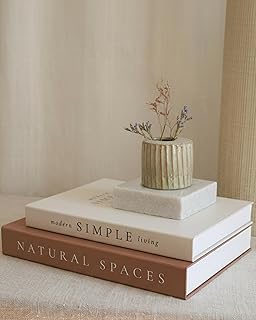
Beautiful Decorative Books
Beautiful Decorative Books – Set of 2 Boxes Enhance Your Coffee Table has been one of the most consistently praised picks in this category. 282 reviewers averaged 4.5/5.
Frequently Asked Questions
What is the 60/30/10 color rule in minimalism?
It’s a styling guideline where 60% of the room is a dominant neutral color (like walls), 30% is a secondary color (like furniture), and 10% is an accent color (like a plant or pillow). It keeps the space balanced.
How do I make a minimalist room feel warm?
Swap stark whites for warm neutrals like greige or taupe. Layer organic textures like chunky wool throws, linen fabrics, and jute rugs. Add natural wood furniture and matte ceramics to avoid a sterile, cold environment.
What is emotional minimalism?
Emotional minimalism is a 2026 design trend that shifts away from rigid, cold spaces. It focuses on human comfort, curved lines, organic materials, and warm lighting to create a soothing, deeply personal sanctuary.
How do I declutter without my home feeling empty?
Use the one-in, one-out rule to manage inventory. Instead of eliminating all decor, curate a few meaningful, high-quality pieces. Create a clear focal point in each room so the space feels intentional, not vacant.
