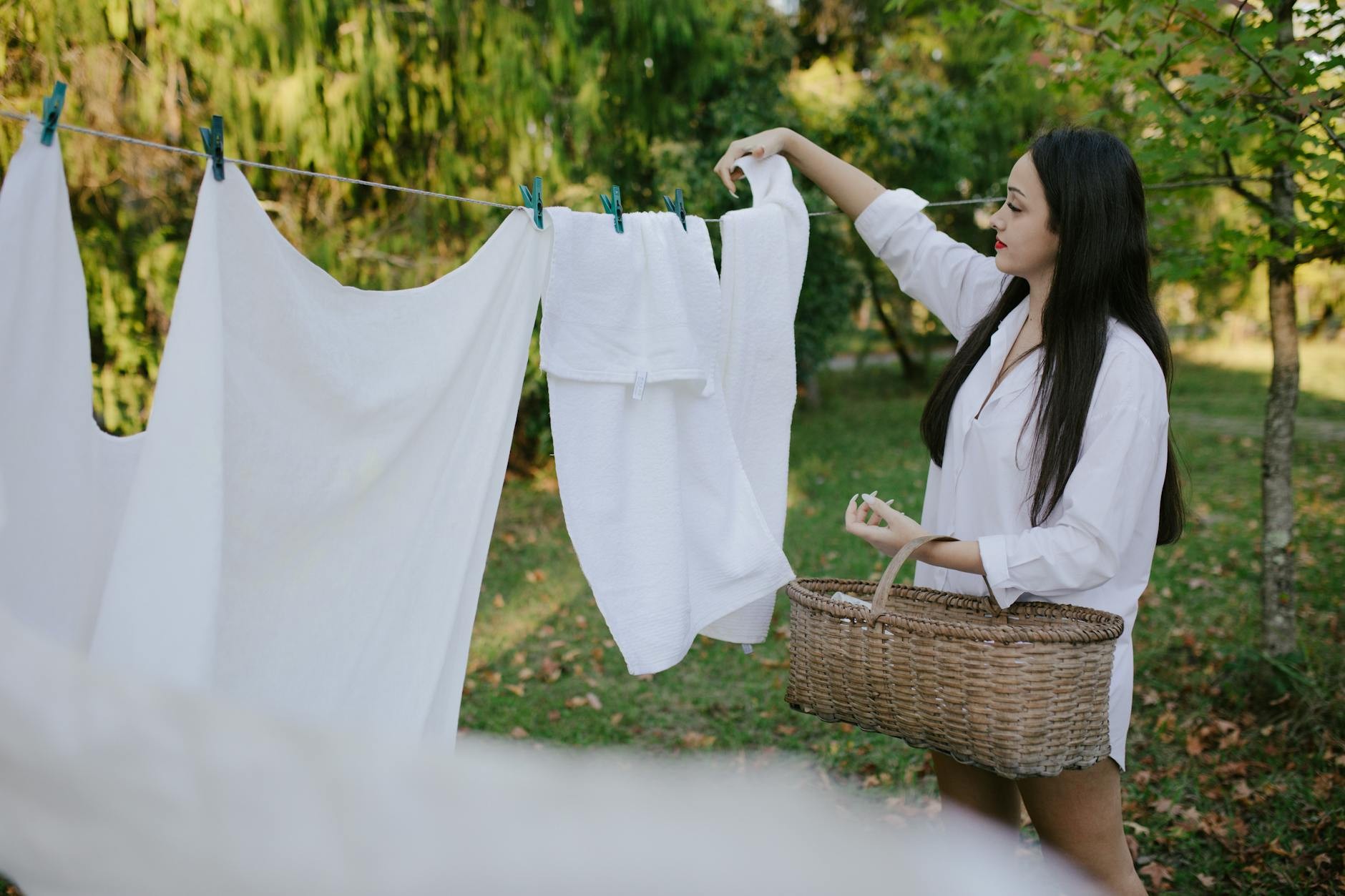
What’s Inside
- 1. Adopt Project 333 for Your Wardrobe (Homemaking Simple Living Tips Start Here)
- 2. Limit Food Containers to 10 Pieces Maximum
- 3. Buy Identical Socks in One Style and Color
- 4. Implement the 20-Second Rule Daily
- 5. Declutter Fridge Magnets to 5 Favorites
- 6. Do a Weekly Sunday Reset on Surfaces
- 7. Set One-In, One-Out for Every Category
- 8. Try a Low-Buy Month Like No Buy February
- 9. Use a Mending Basket with Monthly Review
- 10. Apply the 2-Minute Rule for Incoming Mail
- 11. Enforce Space Limits Like One Shelf Per Category
- 12. Follow the Wear It Today Outfit Rule
- 13. Declutter Christmas Cards Post-Holiday
- 14. Replace Worn Underwear Annually
- 15. Hide Items on Trays, Not Loose
After three years of testing every minimalist hack I could find, I finally cracked the code. Most homemaking simple living tips are either too vague or too extreme. When I finally narrowed it down to these fifteen specific strategies, my home went from constant chaos to actual peace. These aren’t just ideas—they’re the exact systems that stopped my Sunday panic-cleaning sessions and gave me back hours every week.
What makes these different? Each one has a specific number, product, or time limit attached. No vague “declutter more” advice here. I’m giving you the exact container counts, price ranges, and measurements that actually work in a real home with real stuff.
1. Adopt Project 333 for Your Wardrobe (Homemaking Simple Living Tips Start Here)

Last spring, I picked exactly 33 items—clothes, shoes, accessories, everything—and boxed up the rest for three months. Minimalist Courtney Carver calls this the “gateway to a simple life,” and she’s right. The first week felt restrictive until I realized I was spending zero mental energy on outfit decisions. My mornings went from fifteen minutes of closet staring to two minutes of grabbing what I needed.
The magic isn’t just fewer clothes. It’s cutting decision fatigue and completely killing shopping urges. When I see a cute sweater now, I remember I’d have to swap something out, so I actually think about whether I need it. Most people mess this up by keeping “just in case” formal wear in their 33—don’t. Box it separately for actual events.
I rotate my 33 every season now. Spring gets sandals and tees, winter gets boots and sweaters. The stuff in boxes? Half of it got donated after three months because I never missed it. Start with your current favorites and you’ll barely notice what’s gone.
2. Limit Food Containers to 10 Pieces Maximum

This sounds crazy until you try it. I keep exactly ten Tupperware containers in various sizes—two quart-sized, four pint-sized, and four small rounds. When all ten are dirty or full of leftovers, we have a mandatory “leftover night” dinner. No exceptions, no ordering takeout.
Before this rule, I had probably thirty mismatched containers spilling out of my cabinet. Lids never matched, and I’d find science experiments in the back of the fridge from two weeks ago. Now? Everything gets used or tossed within days because there’s nowhere to hide extra food. The forced leftover nights also cut our grocery spending by about $40 a month.
Pro tip: buy all the same brand so lids are interchangeable. I use Pyrex glass containers because they’re microwave-safe and don’t stain. Yes, ten feels tight at first, but it forces you to actually eat what you cook instead of perpetually making new meals while old ones rot.
3. Buy Identical Socks in One Style and Color

I bought six pairs of Bombas Ankle Socks in black for about $50 last year and threw out every other sock I owned. No more matching, no more lone socks waiting for their partner, no more drawer chaos. Every sock matches every other sock. It’s stupidly simple and completely life-changing.
My husband thought I was nuts until laundry day when he just grabbed any two black socks and left. No sorting, no pairing, no basket of singles on top of the dryer. We’ve each got one style now—his are gray crew socks, mine are black ankle. When one wears out, I toss it and buy a single replacement pair.
The common mistake? Keeping “nice” socks for special occasions. Just buy enough of your everyday sock to cover a week plus a few extras. I have eight pairs now (bought two more after the first six), which gives me laundry flexibility. Total game-changer for about $65 and zero ongoing mental load.

Dahey 2 Pack Wood Wall Planter Vase with Artificial
Dahey 2 Pack Wood Wall Planter Vase with Artificial Eucalyptus Farmhou punches above its price — 14 buyers rated it 4.5 stars. I would buy it again.
4. Implement the 20-Second Rule Daily

Mom-minimalist Madeline Hegedus taught me this one: if a task takes under twenty seconds, do it immediately. Hanging up my coat instead of draping it on a chair? Fifteen seconds. Wiping the counter after making coffee? Twelve seconds. Putting mail in the recycling bin? Eight seconds.
I started timing myself because I didn’t believe these tasks were that quick. Turns out, most clutter happens because we think putting something away will take longer than it actually does. My brain tells me hanging up my coat is a whole production, but it’s literally fifteen seconds from hand to hanger.
This rule single-handedly eliminated the chair in my bedroom that became a clothing pile. Every night I’d think “I’ll deal with that tomorrow,” and by Friday there’d be a week’s worth of outfits mounded up. Now I hang things immediately and the chair stays empty. The trick is actually timing yourself once—you’ll be shocked how fast these tiny tasks really are.
5. Declutter Fridge Magnets to 5 Favorites

I had seventeen magnets on my fridge before I counted them. Promotional ones from the lawn service, a real estate agent I didn’t even use, random vacation souvenirs I didn’t remember buying. They made my kitchen feel cluttered even when it was clean. I kept exactly five: one custom photo magnet from Etsy (about $8), two from places I actually loved visiting, and two functional clips for holding grocery lists.
The visual difference was immediate. My fridge went from looking like a bulletin board at a community center to looking intentional. I also started clearing paper off the fridge every Sunday—no more expired coupons, old school calendars, or takeout menus we never use.
Most people don’t realize fridge magnets are clutter because they’re small. But your eye registers every single one, and promotional magnets especially just scream “stuff.” Keep only ones that make you happy or serve a real purpose. Everything else is visual noise you don’t need.
6. Do a Weekly Sunday Reset on Surfaces

Every Sunday at 4pm, I spend five to ten minutes clearing every flat surface in my house. Kitchen counters, coffee table, desk, bathroom counter—everything gets wiped clean and reset to zero. Anything that doesn’t belong there gets put away immediately, no “I’ll deal with it later” piles allowed.
When I first started this, it took closer to twenty minutes because I had so much accumulated stuff. Now that I’ve decluttered more overall, my Sunday reset takes about two minutes. The house stays cleaner all week because there’s less stuff to migrate onto surfaces in the first place.
This habit simplifies the entire week ahead. Monday morning I wake up to clear counters and a clean coffee table instead of Sunday’s mess still sitting there. It’s like hitting a reset button that makes every other day easier. I pair this with doing a quick fridge cleanout—tossing anything expired or questionable so Monday starts fresh.

Barydat 6 Pieces Boho Plant Wall Art Decor Wooden Boho
If you want something that just works, Barydat 6 Pieces Boho Plant Wall Art Decor Wooden Boho Farmhouse Rusti is a safe bet (402 reviews, 4.5 stars).
7. Set One-In, One-Out for Every Category

Before I buy anything new, something old has to leave. New coffee mug means an old one gets donated. New storage box from IKEA (like the Variera organizer for about $10) means an old container goes. YouTube’s Simple Happy Zen calls this foundational for treating your home as a sanctuary, and I completely agree.
This rule stops the slow creep of stuff that happens even when you’re trying to be minimal. I used to think I was being careful, but I’d still bring home new things without removing old ones. Over months, that adds up to drawers that won’t close and cabinets stuffed full.
The hardest part is being honest about what counts as “new.” Free stuff counts. Gifts count. Things you’re “just trying out” count. Everything that enters your home displaces something else, or you’re not actually maintaining a simple life—you’re just accumulating slower. I keep a donation box in my coat closet specifically for the items that get displaced, so there’s no excuse to hang onto them.
8. Try a Low-Buy Month Like No Buy February

Last February, I committed to buying only essentials under $20 each. Toilet paper? Fine. Method All-Purpose Cleaner for $4? Sure. New throw pillows because they were cute? Absolutely not. I tracked every purchase in my Notes app, which made me way more mindful about what I actually needed versus wanted.
That single month reset my shopping habits completely. I realized how often I bought things out of boredom or because I was already at Target. Limiting myself to essentials under $20 meant I really thought about every purchase. Did I need it this week, or could I wait? Usually I could wait, and by next week I’d forgotten I even wanted it.
The money savings were nice—about $340 that month compared to my usual spending. But the bigger win was breaking the automatic shopping habit. Now I do a low-buy month every quarter, and it keeps my minimalist mindset sharp. Start with one month and track everything. You’ll be surprised what you don’t actually need.
9. Use a Mending Basket with Monthly Review

I bought a small IKEA Samla box for about $15 and designated it my mending basket. Anything that needs a button sewn or a hem fixed goes in there. On the first Sunday of every month, I spend thirty minutes either fixing everything in the basket or admitting I’m never going to fix it and tossing it.
Before this system, I had a “fix later” pile in my closet that grew for literally two years. Shirts missing buttons, pants with broken zippers, a dress that needed hemming. The common mistake is thinking you’ll eventually get around to it. You won’t, unless you schedule it and set a deadline.
Most items sit in the basket for one month and then get tossed because I realize I don’t care enough to fix them. If I’m not willing to spend thirty minutes repairing something, it’s not worth keeping. This rule has saved me from hoarding broken stuff indefinitely while fooling myself that I’m being resourceful.

Twin Size Comforter Olive Green Striped Comforters for
Twin Size Comforter Olive Green Striped Comforters for Boys&Girls punches above its price — 156 buyers rated it 4.5 stars. I would buy it again.
10. Apply the 2-Minute Rule for Incoming Mail

Every piece of mail gets opened, dealt with, and disposed of within two minutes of entering my house. Bills get scanned with my Canon PIXMA scanner (cost about $60) and then shredded. Junk mail goes straight to recycling without even making it to the counter. Important documents get photographed and stored digitally, then filed or tossed.
I went fully digital two years ago and it’s eliminated the paper stacks that used to live on my kitchen counter. No more “I’ll deal with that later” pile that turns into a month’s worth of envelopes. The two-minute rule forces immediate action, which is the only thing that actually prevents paper buildup.
Pro tip: keep a small recycling bin right by where you open mail. Mine’s under the entry table, so junk goes directly from envelope to bin. The scanner stays plugged in on my desk so there’s zero friction to digitizing important stuff. Make the system easy or you won’t stick with it.
11. Enforce Space Limits Like One Shelf Per Category

I measured twenty inches of shelf space and told myself that’s all the books I’m allowed to keep. When I get a new book, something has to go to stay within that twenty-inch limit. No expanding to a second shelf, no stacking books horizontally on top, no cheating the system.
This prevents the subconscious accumulation that happens when you don’t have firm limits. I used to think “I have room on this shelf” and keep adding books until the shelf bowed. Now I think “I have twenty inches” and I’m way more selective about what earns that space. The same rule applies to my kitchen gadgets—one drawer, no overflow.
Measure your limits with an actual tape measure and write the number down. “One shelf” is too vague because shelves are different sizes. Twenty inches is specific and enforceable. When you hit your limit, you have to make a choice about what matters most, which is the whole point of simple living.
12. Follow the Wear It Today Outfit Rule

I only pick clothes from what’s actually clean and ready to wear. If something’s not washed, it doesn’t exist as an option. This rule, which I learned from Madeline Hegedus, cut my wardrobe stress in half and made me way more realistic about what I actually wear versus what I wish I wore.
The genius part is the second rule: if I don’t wear something within a week of it being clean, it gets donated. That fancy blouse I keep washing and putting back unworn? Gone. The jeans that are technically fine but I always choose different ones? Donated. This system is ruthless but honest about my real preferences.
It also halved my laundry because I’m only washing and maintaining clothes I actually wear. No more doing laundry for that one shirt I might want someday. My closet now contains only clothes that earn their space by being worn regularly. Everything else was just taking up room and mental energy.
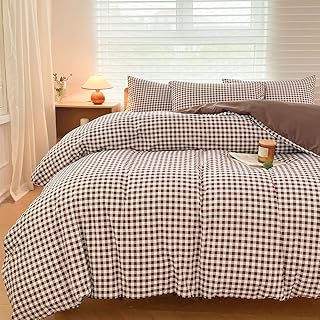
NSNLGSGC Mocha Gingham Duvet Cover Set Queen
NSNLGSGC Mocha Gingham Duvet Cover Set Queen has been one of the most consistently praised picks in this category. 731 reviewers averaged 4.5/5.
13. Declutter Christmas Cards Post-Holiday

I keep zero Christmas cards after January. If I want to remember one, I take a quick photo with my phone, but then the physical card goes in recycling. People send cards to spread cheer, not to create a storage obligation for you. The senders don’t expect you to keep them forever, and they’re definitely not checking.
Before I adopted this rule, I had three years of Christmas cards rubber-banded in a drawer. I never looked at them, they just made me feel vaguely guilty every time I opened that drawer. Now I enjoy cards for the month of December, snap photos of any especially meaningful ones, and clear them out with the tree.
This frees up an entire drawer and eliminates the “but it’s from Grandma” guilt. Take a photo if it’s sentimental—the memory is in the message, not the cardstock. I have a whole album on my phone of card photos now, which I actually look at occasionally, unlike the drawer of cards I never opened.
14. Replace Worn Underwear Annually

Every January, I audit my underwear drawer and toss anything with frayed elastic, holes, or stretched-out fabric. The “they still technically work” mindset leads to discomfort and a drawer full of underwear you never choose to wear. I keep a maximum of fourteen pairs, which covers a week plus extras for laundry flexibility.
I buy Saxx Vibe Boxer Briefs for my husband (about $30 to $35 for a three-pack) and replace his worn ones at the same time. We both start the year with fresh, comfortable underwear that actually fits well. It sounds like a small thing, but wearing worn-out underwear affects your whole day in subtle ways you don’t notice until you replace them.
Most people keep underwear until it’s literally falling apart, which is way too long. Set an annual replacement date and stick to it. Budget about $50 to $80 per person per year for good-quality replacements. It’s worth it for the comfort and the simplified drawer that only contains items you actually want to wear.
15. Hide Items on Trays, Not Loose

I bought a simple wooden tray from Target’s Threshold line for about $12 and use it to corral keys, remotes, and other daily items. The catch? The tray lives inside a closed cabinet, not out on the coffee table. This follows the 2026 minimalist trend of avoiding “everything out” visual clutter while still keeping things accessible.
Before this system, we had keys on the entry table, remotes scattered on the couch, and random daily items spread across every surface. Even when things were organized on a tray, seeing all that stuff out made the room feel cluttered. Moving the tray into a cabinet—still easily accessible, just not visible—made a huge difference.
The tray itself keeps items contained so the cabinet doesn’t become a junk drawer. Everything has a specific spot on the tray, which makes it easy to grab what I need and put it back. We have three trays now: one for entry items in the coat closet cabinet, one for remotes in the TV stand, and one for charging cables in the bedroom nightstand. Out of sight but completely organized.
These fifteen homemaking simple living tips aren’t trendy—they’re the practical systems that actually stick after the initial motivation wears off. I still use every single one of them because they’re specific enough to follow and flexible enough to adapt to real life. Start with whichever tip addresses your biggest frustration point, then add more as you see what works. Pin this for later when you need a reset, and let me know which one changes your home the most.

Pigort 3 Pieces Metal Flowers Wall Art- Rustic Farmhouse
Pigort 3 Pieces Metal Flowers Wall Art- Rustic Farmhouse Decor Minimal has been one of the most consistently praised picks in this category. 24 reviewers averaged 4.5/5.
Frequently Asked Questions
What are the best homemaking simple living tips for beginners?
Start with the 20-second rule (do tasks under 20 seconds immediately) and limit food containers to 10 pieces. These create immediate visible results without requiring major lifestyle changes, making them perfect entry points to simple living.
How does Project 333 simplify daily homemaking routines?
Project 333 limits your wardrobe to 33 items for three months, eliminating decision fatigue and cutting morning routine time from 15 minutes to 2 minutes. It also stops impulse shopping since new items require swapping something out.
What’s the one-in, one-out rule for maintaining a simple home?
Before bringing any new item into your home, remove one old item from that same category. This prevents gradual accumulation and forces you to evaluate whether new purchases are worth displacing what you already own.
How can I stop paper clutter from mail and documents?
Use the 2-minute rule: open, scan, and dispose of all mail within 2 minutes of receiving it. Invest in a scanner (Canon PIXMA around $60) to digitize important documents, then shred or recycle the paper immediately.