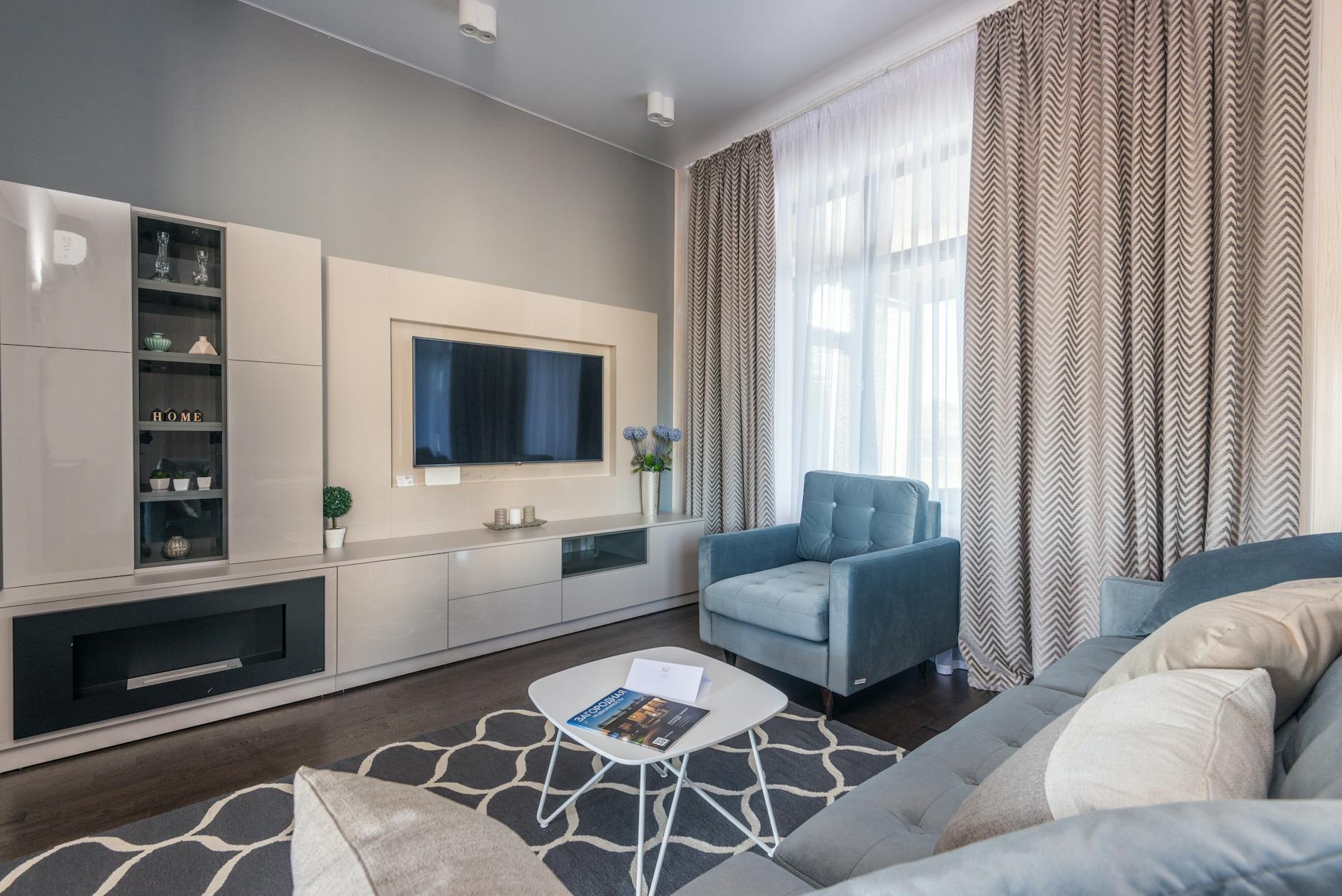
What’s Inside
- Layer Contrasting Textures for Instant Warmth in Your Cozy Minimalist Living Room
- Get Your Lighting Temperature Right (Or Everything Feels Wrong)
- Choose Low-Profile Sofas to Keep Sightlines Open
- Use Nesting Tables for Adaptive Function Without Footprint Bloat
- Color Drench Your Walls for Bold Harmony
- Make Your Coffee Table the Sculptural Focal Point
- Ground Your Space with Organic Rug Shapes
- Limit Artwork to One Oversized Low-Contrast Piece
- Maintain Breathing Room Between Every Piece
- Add One Darker Warm Element for Depth
- Soften Light with Simple Linen Curtains
- Display Only 2-3 Meaningful Personal Items
- Layer 3-5 Plump Cushions for Visible Comfort
- Bring in One Small Potted Plant for Organic Life
- Invest in Performance Fabrics for Real-Life Durability
- Use Floor Lamps to Create Ambient Zones
- Keep Window Sills Completely Clear
- Choose Furniture with Visible Legs
- Embrace Imperfect Symmetry in Your Layout
- Create a Signature Scent for Sensory Coziness
I spent two years making my living room look like a showroom before I realized I never actually wanted to sit in it. My cozy minimalist living room didn’t click until I stopped chasing stark perfection and started layering textures that made me want to curl up with a book. That shift changed everything about how I approach minimalist spaces.
The truth is, minimalism doesn’t have to feel cold or unwelcoming. I’ve pulled together 20 specific ideas with real products, exact prices, and measurements that actually work in lived-in homes. These aren’t Pinterest fantasies. They’re practical strategies I’ve tested myself or seen transform real spaces from sterile to soul-warming.
Let me walk you through what actually makes a difference.
Layer Contrasting Textures for Instant Warmth in Your Cozy Minimalist Living Room

I personally swear by pairing a chunky knit wool throw from Zara Home ($50–$80) with a smooth linen sofa like the Article Sven Tufted Fabric Sofa (starting at $1,299). This contrast creates visual and tactile interest without adding clutter. The key is choosing materials that feel different under your hand.
Most people make the mistake of sticking to one texture throughout their space. That’s what makes minimalist rooms feel flat and uninviting. When I draped my first chunky throw over my linen couch, guests immediately started touching it. That’s the reaction you want.
Interior experts recommend this approach for 2026 warm minimalism because it adds sophistication through restraint. You’re not piling on decorative objects. You’re making the few pieces you have work harder through thoughtful material choices. I keep my throw folded loosely over one arm of the sofa, not perfectly arranged, because that lived-in look matters more than magazine perfection.
Get Your Lighting Temperature Right (Or Everything Feels Wrong)

Here’s something I got wrong for months: I used cool 4000K LED bulbs because they seemed “cleaner.” My living room felt like a dentist’s office. Switching to warm-toned LEDs at 2700K–3000K completely transformed the mood from clinical to serene.
I now use multiple light sources at that warm temperature. A Zara Home Cordless Iron Table Lamp ($150) sits on my side table, and I added adjustable bedside-style wall sconces flanking my sofa. This layered approach means I can adjust brightness for different activities while maintaining that cozy glow.
The common mistake is relying on one overhead light. That creates harsh shadows and kills any warmth you’ve built with textures and colors. I honestly can’t stress this enough: lighting temperature is the difference between a space that feels inviting and one that feels like you’re waiting for a bus. Check your bulb packaging and replace anything above 3000K immediately.
Choose Low-Profile Sofas to Keep Sightlines Open

I replaced my bulky sectional with the 78-inch West Elm Harmony Sofa ($1,799–$2,199) in neutral linen, and my living room instantly felt twice as large. Low-profile sofas keep sightlines open, which is essential for maintaining that airy minimalist feel while still having comfortable seating.
This strategy comes straight from 2026 minimalist guides, and it’s proven for preventing overcrowding in small rooms. The Harmony Sofa sits lower to the ground than traditional sofas, which means your eye travels across the room instead of stopping at a furniture wall.
Most people think bigger sofas equal more comfort, but that’s not true if the sofa overwhelms your space. I can fit three people comfortably on mine, and the room still breathes. The linen fabric also ties into that textured layering I mentioned earlier. It’s practical too since linen wears beautifully and actually looks better with a little wrinkling, which takes pressure off keeping everything pristine.

Govee RGBIC Floor Lamp Basic
Honestly, Govee RGBIC Floor Lamp Basic surprised me — sturdier than it looks in the photos, and over 106 buyers gave it 4.5 stars.
Use Nesting Tables for Adaptive Function Without Footprint Bloat

I bought the West Elm Mid-Century Nesting Tables set (three pieces, $399) two years ago, and they’re still my favorite secondary furniture purchase. Each table measures 20×20 inches, which is enough space for a lamp and drinks, but they tuck together when I don’t need all three out.
This adaptive function is exactly what minimalist spaces need. I keep two nested under my console most of the time and pull them out when I have guests. That flexibility means I’m not committed to a bulky coffee table setup that dominates the room 24/7.
The common mistake with side tables is buying ones that are too small to be useful or too large to move around. These hit the sweet spot. The walnut finish adds that darker warm element I’ll talk about later, and the mid-century legs keep them feeling light and open. I’ve used them as laptop stands, plant displays, and extra seating surfaces during parties. That’s the kind of multi-use thinking that makes minimalism actually work in real life.
Color Drench Your Walls for Bold Harmony

I painted my entire living room in Benjamin Moore’s Revere Pewter HC-172, including the walls, ceiling, and trim. This color drenching technique cost me under $150 for my 12×12-foot room and created a cohesive envelope that feels intentional and calm.
Studio Nune founder Sheena Murphy recommends this approach because it eliminates visual breaks that can make spaces feel choppy. When everything is one warm neutral, your eye flows smoothly around the room. I was nervous about losing the white ceiling, but honestly, it made the room feel taller and more sophisticated.
The key is limiting patterns when you use this technique. I keep my furniture and textiles mostly solid or subtly textured to avoid visual chaos. Revere Pewter specifically works because it’s a greige that reads warm in natural light but doesn’t skew yellow. I’ve seen people try this with cooler grays, and it falls flat. Stick with warm neutrals like this, or creamy whites if Revere Pewter feels too bold for your space.
Make Your Coffee Table the Sculptural Focal Point

Instead of adding multiple decorative objects, I invested in the CB2 Flint Pebble Coffee Table (36-inch diameter, $599) as my living room’s focal point. This natural stone piece has enough visual interest on its own that I don’t need to pile it with styling accessories.
This is a lesser-known tip that commands attention without excess decor. The organic pebble shape and stone material bring nature indoors while maintaining clean lines. I keep maybe a small wood bowl on it and nothing else most days.
Most people make the mistake of buying boring coffee tables and then trying to make them interesting with books, candles, trays, and other clutter. That defeats the purpose of minimalism. Start with a coffee table that’s beautiful on its own. The Flint table’s 36-inch diameter is perfect for my space because it’s large enough to be functional but doesn’t overwhelm my seating area. I can still walk around it comfortably with that 18–24 inches of breathing room I maintain between furniture pieces.

Homedics Tabletop Water Fountain
Homedics Tabletop Water Fountain has been one of the most consistently praised picks in this category. 44 reviewers averaged 4.5/5.
Ground Your Space with Organic Rug Shapes

I bought a Ruggable Washable Wool-Like Rug in beige (8×10 feet, $500–$700) with curved edges, and it completely softened my living room’s straight-lined furniture. This counters the 2026 trend mistake of all straight lines that feel rigid and uninviting.
The curved-edge design introduces organic shapes that make minimalist spaces feel more human and less architectural. I positioned mine so it extends under my sofa’s front legs and past my coffee table, which anchors the seating area and defines the zone without walls or dividers.
The Ruggable aspect is honestly practical magic for real life. I’ve spilled coffee on mine twice, thrown it in the washing machine, and it looks brand new. That performance factor prevents the common pitfall of pristine but impractical showroom minimalism. The beige wool-like texture adds another layer to my texture mixing strategy while staying neutral enough not to compete with my other elements. An 8×10 is the right size for most living rooms because it creates a cohesive furniture grouping without overwhelming the floor space.
Limit Artwork to One Oversized Low-Contrast Piece

I hung a single Rossetti Art Soft Horizon Minimalist Canvas Print (framed 36×48 inches, $200–$300) above my sofa, and it’s the only art in my living room. This oversized piece in earthy palettes with a wood frame creates impact without the visual noise of a gallery wall.
The low-contrast aspect is crucial for maintaining that cozy minimalist living room vibe. I specifically avoided harsh black frames that would disrupt the warm harmony I’ve built. The wood frame ties into my walnut side tables and adds another organic element.
Most people think they need multiple pieces to fill wall space, but one large piece actually makes more of a statement and feels more intentional. I centered mine about 8 inches above my sofa back, which is the professional standard. The soft horizon design in muted taupes and creams blends with my color-drenched walls while still providing a focal point. This approach also saves you from the endless rearranging and nail holes that come with trying to perfect a gallery wall arrangement.
Maintain Breathing Room Between Every Piece

I keep exactly 20 inches between my sofa and coffee table, measured. This breathing room is a professional assessment tip that creates intentional negative space, and it’s honestly one of the most important measurements in my entire room.
The common error is pushing pieces flush or too close together, which makes rooms feel cramped despite having minimal items. I learned this the hard way when I first arranged my furniture. Everything looked right in theory, but the space felt suffocating until I physically measured and adjusted.
I maintain 18–24 inches between all major furniture pieces, including my side tables and sofa. This creates pathways for movement and lets each piece breathe visually. It’s counterintuitive because you think closer furniture makes conversation easier, but it actually makes the room feel smaller and more cluttered. That negative space is doing work. It’s not empty. It’s creating the calm, open feeling that makes minimalism work.

UTTCMK Bookshelf Decor Thinker Statue
Honestly, UTTCMK Bookshelf Decor Thinker Statue – Abstract Art Reading Thinker S surprised me — sturdier than it looks in the photos, and over 767 buyers gave it 4.5 stars.
Add One Darker Warm Element for Depth

I keep a 6-inch diameter walnut wood bowl ($40 from West Elm) on my coffee table, and it’s the darkest element in my entire neutral palette. This single darker warm piece adds depth without creating high contrast that would disrupt the cozy harmony.
Warm minimalist checklists specifically recommend this for balanced coziness when your palette feels flat. I noticed my room looked washed out before I added walnut tones through this bowl and my nesting tables. The darker wood grounds the lighter beiges and creams.
The key is keeping it warm-toned. I’m talking walnut, not espresso or black. Those cooler darks would feel jarring against my warm neutrals. I use the bowl functionally too—it holds my remote controls and keeps them corralled instead of scattered on the table. That’s the kind of practical minimalism I can actually maintain. The bowl is beautiful enough to display empty, but functional enough to earn its place in a minimal space.
Soften Light with Simple Linen Curtains

I replaced my white plastic blinds with IKEA’s HILJA sheer linen curtains in warm neutral (57×98 inches, $40 per pair), and the difference was immediate. The linen softens incoming light instead of blocking it harshly, which aligns with 2026 sustainable fabric trends.
This is a quick fix for hardware that cools the vibe. Those plastic blinds were making my warm minimalist efforts pointless because they introduced a cold, utilitarian element. The linen curtains puddle slightly on the floor, which adds that imperfect, lived-in quality I prefer over stiff, measured-to-the-inch panels.
I hung them as high and wide as possible, which is a designer trick that makes windows look larger and ceilings higher. The sheers provide privacy during the day while still letting in natural light, and I can layer them with blackout shades behind if needed. At $40 per pair, this was one of my cheapest upgrades with the biggest visual impact. The warm neutral color blends with my Revere Pewter walls instead of creating a stark white frame around each window.
Display Only 2-3 Meaningful Personal Items

I keep exactly three items on my open shelving: a single aged oak tray ($60 from Article), a small ceramic vase my sister made, and one hardcover book. This restraint infuses soul without clutter, following expert advice that warns against magazine perfection over lived-in comfort.
The common mistake is filling every shelf because empty space feels wrong. But those empty spaces are doing the work of letting your meaningful items shine. I rotate what’s in my ceramic vase seasonally—dried grasses in fall, fresh eucalyptus in spring—so the display feels alive without being cluttered.
The aged oak tray serves a function too. I use it to corral my keys and wallet when I come home, so it’s not purely decorative. That’s the balance I’m always looking for: items that are both beautiful and useful. I’ve seen people create stunning minimalist spaces that feel like museums, and I don’t want to live in a museum. These three items tell you someone lives here, someone with a sister who makes pottery and a love for natural materials.

Gold Leaf Home Decor Set – Metal Leaves Statues
If you want something that just works, Gold Leaf Home Decor Set – Metal Leaves Statues is a safe bet (48 reviews, 4.5 stars).
Layer 3-5 Plump Cushions for Visible Comfort

I keep five cushions on my sofa, mixing velvet and linen textures. Specifically, I use West Elm’s 20×20-inch cushion covers in taupe ($25 each), alternating between velvet and linen finishes. This layering is a hygge 2026 approach that makes minimalism curl-up inviting.
The key word is plump. I bought inserts that are actually 22×22 inches for my 20×20-inch covers, which makes them fuller and more inviting. Flat, underfilled cushions look sad and defeat the cozy purpose. I arrange mine casually, not in a perfect row, because I actually use them.
Most people either skip cushions entirely in minimalist spaces or go overboard with eight or more. Three to five is the sweet spot for looking abundant without overwhelming your seating. I chose taupe because it bridges my cream sofa and walnut accents, and the velvet adds another texture layer to my chunky knit throw and linen upholstery. When I plop down to watch TV, I’m surrounded by soft, touchable materials. That’s what makes minimalism livable instead of aspirational.
Bring in One Small Potted Plant for Organic Life

I keep a 10-inch fiddle leaf fig ($50 from The Sill) in the corner near my window, and it’s the only plant in my living room. This single organic element is a surprising human touch that pros say warms neutrals instantly without overwhelming serene lines.
I was resistant to plants at first because I worried about the maintenance and visual clutter, but one well-chosen plant actually enhances minimalism. The fiddle leaf’s large leaves create sculptural interest, and the pot (a simple cream ceramic) blends with my palette while the green adds the only cool tone in the room.
The key is keeping it to one plant, not a jungle. I’ve seen minimalist spaces lose their calm when people add plants to every surface. My fiddle leaf sits on the floor in a 12-inch diameter pot, which gives it presence without taking up furniture space. I water it once a week, wipe the leaves monthly, and that’s it. The organic, living element makes the room feel less static and more like a space where life happens, not just a styled photo.
Invest in Performance Fabrics for Real-Life Durability

I paid an extra $200 for Crypton-lined linen on my sofa, and it’s saved me from multiple disasters. This performance fabric handles daily use durably, preventing the common pitfall of pristine but impractical showroom minimalism that fails real-life tests.
Here’s my honest take: beautiful minimalist spaces mean nothing if you’re terrified to use them. I spilled red wine on my Crypton linen within the first month. I blotted it, spot-cleaned with mild soap, and the stain disappeared completely. That moment justified the upcharge.
Performance fabrics have come so far that they no longer feel plasticky or look shiny. My Crypton linen has the same soft hand and natural texture as regular linen, but it’s treated to repel liquids and resist stains. This matters if you have kids, pets, or just live in your space like a normal human. I’m not precious about my sofa, which means I actually relax on it. That’s the whole point of creating a cozy minimalist living room instead of a magazine spread you’re afraid to touch.

luckystyle Dimmable Floor Standing Tall Lamp
A dependable everyday pick — luckystyle Dimmable Floor Standing Tall Lamp pulls in 29 ratings at 4.5 stars. Not flashy, just solid.
Use Floor Lamps to Create Ambient Zones

I positioned a modern arc floor lamp behind my sofa to create ambient lighting that doesn’t require overhead fixtures. This zoning technique makes my living room feel like multiple cozy pockets instead of one flat, evenly lit space.
The lamp I chose has a dimmer switch, which is essential for adjusting the mood throughout the day. Morning light is bright and energizing. Evening light is warm and low. That flexibility means one lamp does the work of three different lighting scenarios.
I specifically avoided torchiere-style floor lamps that shoot light up at the ceiling. Those create harsh indirect lighting that still feels too bright. My arc lamp directs light down and slightly behind my seating area, which creates a gentle glow that’s perfect for reading or watching TV. Combined with my wall sconces and table lamp, I have four separate light sources I can mix and match. I rarely use my overhead light anymore because these layered sources create so much more warmth and dimension.
Keep Window Sills Completely Clear

I removed everything from my window sills, and it made my windows look twice as large. This is such a simple change that most people overlook, but cluttered sills chop up your sight lines and block natural light.
I used to keep plants, candles, and small decor items on my sills because that’s what I saw in design photos. But those photos are styled for one moment, not for living. In real life, dusty window sills full of stuff just look messy and make your windows feel smaller.
Now my sills are completely bare, which lets maximum light flood in and keeps the focus on the view outside (even though my view is just other buildings). The clean horizontal line of the empty sill extends the minimalist aesthetic and makes the whole wall feel more intentional. I dust them once a week in about thirty seconds, compared to the annoying process of moving and cleaning around multiple objects. This is minimalism making your life easier, not just looking better.
Choose Furniture with Visible Legs

All my furniture sits on visible legs instead of touching the floor, which creates visual lightness and makes my space feel larger. My sofa has 6-inch wooden legs, my coffee table sits on a pedestal base, and my side tables have angled mid-century legs.
This design principle is about creating negative space under furniture, which lets your eye travel through the room instead of stopping at solid blocks. When furniture sits directly on the floor, it feels heavier and more permanent, which works against the airy quality you want in minimalist spaces.
The practical benefit is easier cleaning. I can vacuum under everything without moving furniture around. That sounds minor, but it’s the kind of functional detail that makes minimalism sustainable long-term. I’m not fighting my space to keep it clean. The visible legs also show off my curved-edge rug better because you can see the full shape instead of having it disappear under skirted furniture. This is one of those subtle choices that adds up to a completely different feeling in the room.
Embrace Imperfect Symmetry in Your Layout

I don’t have matching side tables flanking my sofa. Instead, I have one nesting table set on the left and a small floor lamp on the right. This imperfect symmetry feels more organic and less staged than perfect matching pairs.
Perfect symmetry can feel formal and stiff, which works against the cozy vibe you’re building. I see a lot of minimalist spaces that look like hotel lobbies because everything is perfectly mirrored. That’s not how real homes evolve.
My layout is balanced but not identical. The visual weight is similar on both sides, but the actual items differ. This gives me flexibility to use the space differently depending on what I need. Sometimes I pull a nesting table over to the other side for a guest’s drink. Sometimes I move the lamp to create different lighting angles. That adaptability is key to making minimalism work long-term instead of creating a rigid setup you’re afraid to disturb. The room still feels cohesive because my color palette and materials tie everything together.
Create a Signature Scent for Sensory Coziness

I keep a small ceramic oil diffuser running with a custom blend of cedarwood and vanilla, and it’s become the signature scent of my living room. This sensory layer adds coziness that visual elements alone can’t achieve.
People forget that cozy isn’t just about what you see. It’s what you smell, hear, and feel. My diffuser sits on a shelf where it’s not visually prominent, but the warm, woody scent greets you the moment you enter the room. I use about 5-7 drops of essential oil in water, which lasts 3-4 hours.
I chose cedarwood and vanilla specifically because they’re warm, natural scents that don’t read as perfumey or artificial. They complement my warm neutral palette and natural materials without competing for attention. This is the kind of finishing touch that makes your minimalist space feel like a retreat instead of just a well-designed room. When friends visit, they always comment on how relaxing my living room feels, and the scent is a big part of that even if they don’t consciously notice it. It’s the invisible layer that completes the cozy minimalist experience.
These 20 ideas have genuinely transformed how I think about and live in my space. The key is remembering that cozy minimalism isn’t about deprivation. It’s about choosing fewer, better things that actually make your life warmer and more comfortable. Start with the lighting and texture layers since those give you the biggest impact, then build from there based on what your specific space needs.
I’d love to hear which of these ideas resonates most with you. Save this for when you’re ready to make changes, and pin your favorites so you can come back to the specific products and measurements. Your cozy minimalist living room is absolutely achievable without starting from scratch or spending a fortune.
Frequently Asked Questions
What makes a living room both cozy and minimalist?
A cozy minimalist living room combines intentional simplicity with warm textures like chunky knits, linen, and velvet. Use warm lighting (2700K–3000K), organic shapes, and breathing room between furniture. The key is quality over quantity with tactile materials that invite you to relax.
What colors work best for cozy minimalist living rooms?
Warm neutrals like Benjamin Moore’s Revere Pewter, creamy whites, soft taupes, and beiges create the foundation. Add depth with walnut wood tones and avoid stark whites or cool grays that feel clinical. Color drenching walls and trim in one shade creates seamless harmony.
How do I prevent my minimalist living room from feeling cold?
Layer multiple textures like wool throws on linen sofas, add 3–5 plush cushions, use warm LED bulbs instead of cool ones, incorporate curved shapes with rugs or furniture, and include organic elements like a potted plant. Warm lighting is honestly the biggest game-changer.
What’s the biggest mistake in cozy minimalist design?
Pushing furniture too close together. Maintain 18–24 inches between pieces like your sofa and coffee table. This breathing room creates intentional negative space that makes rooms feel spacious and serene, not cramped despite having fewer items overall.