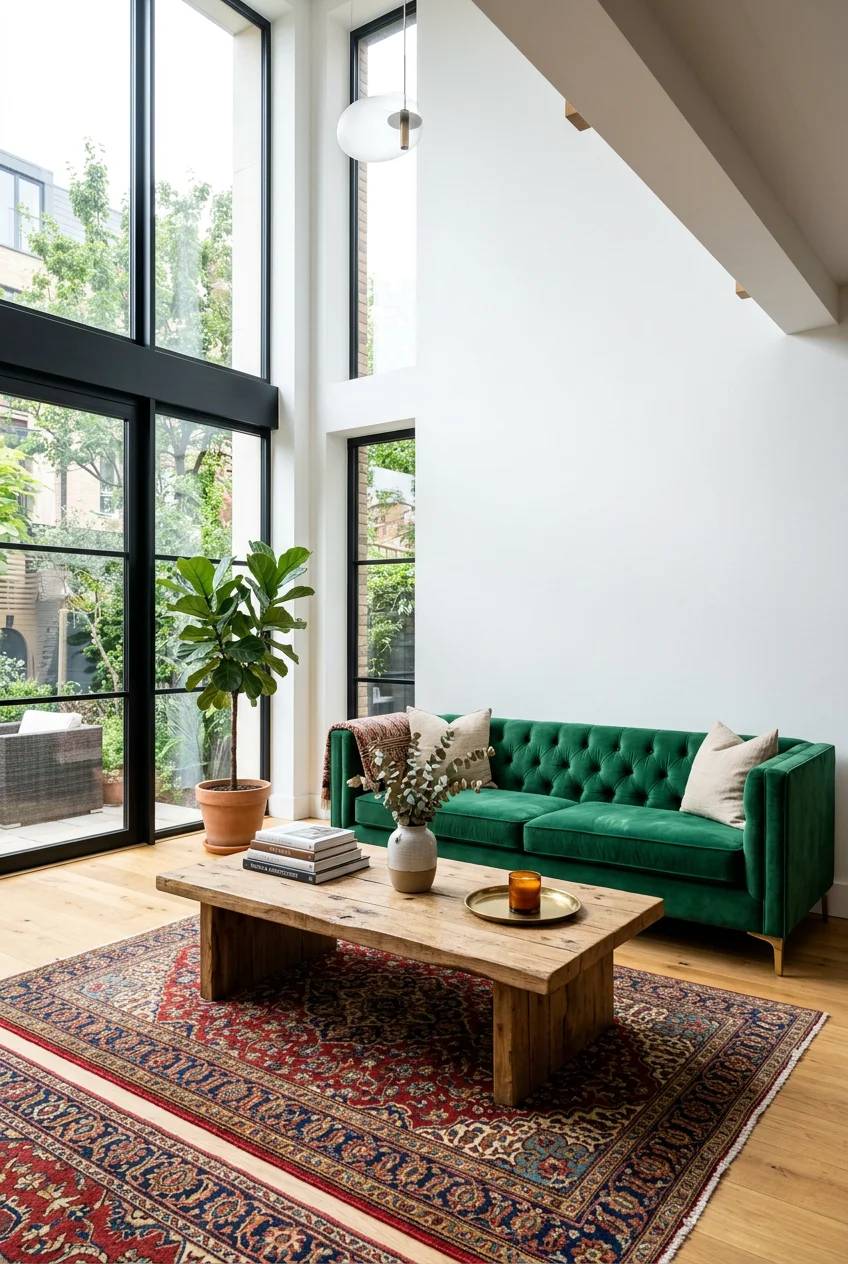
What’s Inside
- Establish a Neutral Base for Your Maximalist Minimalist Decor
- Embrace Curated Maximalism Rather Than Clutter
- Invest in One Oversized Statement Art Piece
- Layer Textures with Heavy Intent
- Incorporate Trending Warm Neutrals on the Walls
- Play with Rich, Saturated Accent Colors
- Opt for Sculptural Lighting as Functional Art
- Integrate Biophilic Elements Beyond Just Plants
- Mix Vintage and Modern Pieces Thoughtfully
- Utilize the 60-30-10 Rule for Color Balance
- Choose Statement Decorative Objects Over Small Trinkets
- Incorporate Sustainable and Ethical Brands
- Embrace Pattern Mixing with a Strict Tonal Palette
- Consider Curvy and Irregularly Shaped Furniture
- Master the Single Impactful Wall Covering
- Ground the Room with an Oversized Washable Rug
- Use Heavy Art Books as Structural Decor
Last Tuesday at Target, I stood in the home aisle staring at my cart. It held three brass knick-knacks, a faux fern, and a geometric tray. I realized I was doing it again. I was buying random filler instead of planning my maximalist minimalist decor strategy. Maximalist minimalist decor sounds like an oxymoron, but it actually solves the exact problem I had. You want a space that feels calm and clean, but you also want it to look like a real person lives there. I spent years living in stark white rooms that felt like dentist waiting areas. I tried adding color and accidentally created a chaotic thrift store vibe. The middle ground requires strict boundaries and very specific choices. I learned that the hard way after ruining my living room flow for six months. Let’s walk through the exact steps to get this right without wasting money on random aisle purchases.
1. Establish a Neutral Base for Your Maximalist Minimalist Decor

You need a quiet foundation before you add loud pieces. I bought a cheap, bright blue sofa three years ago. It dictated every other choice in the room and I hated it within a month. Start with a minimalist base of clean lines and a neutral color palette for your core furniture. I swapped the blue disaster for an 84-inch neutral sofa from HAY. It cost $1,895. The fabric is a durable, tight weave that hides dog hair incredibly well. Ethnicraft also makes incredible sustainable, pared-back silhouettes if you need a solid wood coffee table to anchor the room. Their 48-inch oak table runs about $850. The wood grain provides texture without adding visual noise. When your big pieces are quiet, your maximalist accents actually stand out. If everything screams for attention, nothing gets heard. I usually grab a $6.99 bouquet of white tulips from Trader Joe’s to set on that oak table. The green-and-white smell against the heavy wood creates a perfect, calm starting point for your maximalist minimalist decor. Trust me on this.
2. Embrace Curated Maximalism Rather Than Clutter

Stephanie Hunt from The Flairhunter notes the 2026 trend is intentionally curating meaningful objects into living spaces rather than simply layering more stuff. I used to buy cheap filler decor just because a shelf looked empty. It made dusting a nightmare and looked chaotic. Every item should tell a story or serve a very specific purpose. I keep exactly three items on my entryway console. One is a heavy brass bowl I found at a flea market for $45. I use it to hold my keys. The second is a $24.99 ceramic vase from Target. The third is a stack of two heavy photography books. This approach avoids random accumulation. When you limit the number of objects, you force yourself to only display things you actually care about. If you buy a $12 trinket at Walmart just to fill a gap, you’re missing the point. Leave the space empty until you find a 6-inch sculpture or a specific 8-ounce candle that actually fits your vision.
3. Invest in One Oversized Statement Art Piece

Skip the busy gallery wall. I tried hanging twelve different 8×10 frames above my sofa last year. It took four hours to level them and it just looked cluttered. Instead, choose one large-scale artwork to act as a focal point against a neutral wall. You need something at least 60 inches wide for a spacious living room. Brands like The GOAT Wall Art or Oliver Gal offer incredible options. I bought a 60×40 inch abstract canvas from Oliver Gal for $450. The massive scale provides that maximalist impact, but the single frame keeps the minimalist order. The canvas has deep navy and rust tones that pull the room together. A single large piece is also much easier to hang. You put exactly two nails in the wall and you’re done. No measuring tape headaches. If you’re on a tighter budget, you can sometimes find oversized 48-inch framed canvases at Costco for around $150 during their seasonal home events.

UTTCMK Bookshelf Decor Thinker Statue
Honestly, UTTCMK Bookshelf Decor Thinker Statue – Abstract Art Reading Thinker S surprised me — sturdier than it looks in the photos, and over 835 buyers gave it 4.5 stars.
4. Layer Textures with Heavy Intent

Flat surfaces make a room feel cold. You introduce depth and visual interest by mixing textures. I pair my sleek, minimalist sofa from Blu Dot with a plush velvet throw blanket. The blanket is a rich emerald jewel tone and cost $65. The contrast between the smooth sofa fabric and the heavy velvet is where the magic happens. I also added a chunky knit bouclé pillow from West Elm. It measures 20×20 inches and cost $49. The bouclé fabric feels like a nubby sweater. When I first tried mixing textures, I used too many lightweight cotton throws. The room just looked messy, like an unmade bed. You need heavy, structured textiles. A 5-pound weighted velvet blanket drapes cleanly. It stays where you put it. You can even find decent textured throw pillow covers at Kroger in their seasonal home aisle for $14.99. Just make sure the insert is down or a heavy down alternative so it holds a karate-chop shape.
5. Incorporate Trending Warm Neutrals on the Walls

Stark white walls are out. The trending neutral for 2026 is cream, specifically shades with orange-beige undertones. I painted my bedroom a harsh, cool white two years ago. It felt like a hospital room every morning. I recently repainted it using a warm cream. The specific color is a $55 gallon of premium paint with a matte finish. It provides a warm, inviting backdrop for bolder elements. The orange-beige undertone catches the afternoon light beautifully. It makes my dark wood furniture look richer. If you aren’t ready to paint, you can bring in warm neutrals through large textiles. A 9×12 foot cream area rug does the same job. I bought a heavy wool one for $399. The cream base softens the starkness of a minimalist layout. It gives you permission to use wilder colors on your smaller decor pieces. Cool whites clash with jewel tones. Warm creams make them glow.
6. Play with Rich, Saturated Accent Colors

Maximalism in 2026 demands rich, saturated hues. Pastel accents just wash out against a neutral background. You need deep, heavy colors. I introduced a single accent chair in a deep burgundy velvet. It cost $320 and sits in the corner of my living room. That one chair provides enough color for the entire space. I also have a collection of three ceramic vases in a deep mindful teal, which is a massive color trend right now. They sit on a floating shelf. The tallest vase is 12 inches high and cost $35. When you use saturated colors, you have to use them sparingly. If I added burgundy curtains and a teal rug, the room would turn into a circus. The minimalist aspect requires restraint. I usually pick up a $5.99 bag of dark roast coffee beans at Whole Foods and keep them in a clear glass jar on my kitchen counter. Even that dark, rich brown acts as a saturated accent color against white subway tile. You might also like: 16 Minimalist Colorful Home You Need to See

Gold Leaf Home Decor Set – Metal Leaves Statues
Gold Leaf Home Decor Set – Metal Leaves Statues punches above its price — 61 buyers rated it 4.5 stars. I would buy it again.
7. Opt for Sculptural Lighting as Functional Art

Lighting serves as both function and statement. A generic flush-mount ceiling light ruins a room. I replaced my basic dining room fixture with a sculptural pendant light. It features bold forms and mixed materials like brass and frosted glass. I bought a unique piece from Visual Comfort & Co for $650. It acts as a chandelier and a modern art installation. If that’s too pricey, IKEA has incredible affordable options. I used their 20-inch paper lantern style pendant in my guest room. It cost $29.99 and looks like a glowing cloud. The key is choosing a light fixture that looks interesting even when it’s turned off. I made the mistake of buying a trendy clear glass globe light once. It showed every speck of dust and the bare bulb blinded everyone at the table. Frosted glass or paper diffuses the light and hides the dust. You might also like: 16 Vacation Capsule Wardrobe for Every Budget
8. Integrate Biophilic Elements Beyond Just Plants

Everyone has a dusty fiddle leaf fig in the corner. Evolving beyond simple houseplants, 2026 biophilic design includes nature-inspired color palettes and materials. I killed three real ferns before I realized I needed a different approach. Now, I use a large-scale landscape art print from Desenio. It measures 28×39 inches and cost $45 for the print alone. It brings the outdoors in without requiring water. I also installed a 24×24 inch wall panel featuring organic textures from Weitzner. It’s made of woven natural fibers and cost $120. It adds a tactile, earthy element to the hallway. You can also bring in biophilic elements through stone. I have a 10-pound chunk of raw quartz I use as a bookend. I bought it at a local rock shop for $30. It’s heavy, natural, and requires zero maintenance. It looks much more intentional than a dying pothos plant sitting on a plastic drainage tray. You might also like: 18 True Summer Capsule Wardrobe You Need to See
9. Mix Vintage and Modern Pieces Thoughtfully

Heritage maximalism blends antiques with modern designs. If you buy everything from a modern catalog, your house looks like a showroom. You need some age. I have a minimalist console table from Muji. It’s made of light oak, measures 47 inches wide, and cost $190. Muji is known for its simple, functional products. I accented that clean table with a vintage solid brass greyhound sculpture. I found the dog at an antique mall for $65. The heavy, tarnished brass completely contrasts with the pale, modern wood. I also stack three antique poetry books under a modern metal table lamp. The mix creates friction. Friction makes a room interesting. I used to display all my vintage finds grouped together on one shelf. It looked like a dusty museum exhibit. You have to spread the vintage pieces out. Place a 100-year-old wooden bowl next to a brand new smart speaker.

KIBAGA Beautiful Bathroom Decor Books
KIBAGA Beautiful Bathroom Decor Books – Set of 2 Modern Books for Your has been one of the most consistently praised picks in this category. 205 reviewers averaged 4.5/5.
10. Utilize the 60-30-10 Rule for Color Balance

Visual overwhelm is the enemy. You avoid it by applying the 60-30-10 rule. Your room needs a 60 percent neutral base, a 30 percent secondary color, and a 10 percent bold accent color. My living room is 60 percent warm cream. The walls and the sofa cover that. The 30 percent is a muted jewel tone. I use a deep forest green for the 8×10 foot area rug and the curtains. The rug cost $250. The 10 percent bold accent is mustard yellow. I have two 18-inch mustard yellow throw pillows that cost $22 each. This ratio ensures cohesion. If you try to do 30 percent yellow and 30 percent green, your eyes won’t know where to rest. I figured this out after painting an entire accent wall bright orange. It was awful. The orange swallowed the room. Keep the bright colors to the 10 percent category. A small pop of color goes a very long way.
11. Choose Statement Decorative Objects Over Small Trinkets

Small trinkets create visual static. I used to line my windowsill with tiny 2-inch succulents and little ceramic birds. It looked messy and took forever to clean. Instead of numerous small items, select a few impactful decorative objects. I bought a large, uniquely shaped ceramic object from West Elm. It’s from their Alba Ceramic Sculptural Objects line and cost $29. It’s 8 inches tall and has a weird, twisted shape. It sits entirely alone on a 36-inch floating shelf. The empty space around it makes it look important. Jonathan Adler also makes bold, quirky pieces. I have a 6-inch brass hand from his collection that cost $125. It acts as a paperweight on my desk. One large, interesting object is always better than five small, average ones. If you’re grocery shopping at Sprouts, skip the impulse-buy tiny candles at the register. Save that $10 and put it toward one massive, heavy ceramic bowl for your kitchen island.
12. Incorporate Sustainable and Ethical Brands

Sustainability matters heavily in 2026. When you add maximalist elements, you should prioritize brands that care about production. I buy a lot of my textiles from The Citizenry. They sell Fair Trade certified decor. I have a 20×20 inch mudcloth pillow cover from them that cost $95. The fabric has slight imperfections that show it was woven by a real person. GOODEE is another great option. It’s a B Corp marketplace for ethically made goods. I bought a woven grass basket from them for $65. I use it to hold extra blankets. Fast-fashion decor falls apart quickly. I bought a cheap, trendy throw blanket three years ago and it completely unraveled in the wash after two weeks. Spending $95 on a pillow cover feels steep, but it lasts for years. The heavy, natural dyes don’t fade in the sun.

CEMABT Modern Nordic Boho Vase Set
CEMABT Modern Nordic Boho Vase Set – Elegant Beige Matte Ceramic Vase punches above its price — 993 buyers rated it 4.5 stars. I would buy it again.
13. Embrace Pattern Mixing with a Strict Tonal Palette

Maximalism loves patterns, but a minimalist approach requires strict boundaries. You achieve this by mixing different patterns within a cohesive tonal color palette. I layer floral and geometric patterns, but I only use varying shades of blue and white. I have a 50×60 inch throw blanket with a sharp navy geometric grid. It cost $55. Sitting right in front of it is a 16×16 inch pillow with a soft, watery blue floral print that cost $34. Because the colors match exactly, the clashing patterns don’t fight each other. I tried mixing a red plaid pillow with a yellow floral blanket once. It looked like a clown car exploded on my sofa. Keep the colors identical and you can mix stripes, polka dots, and florals all day long. This trick works perfectly for bedding, too. A striped fitted sheet under a floral duvet cover looks incredibly high-end if the tones match perfectly.
14. Consider Curvy and Irregularly Shaped Furniture

Boxy furniture feels very rigid. Curvy shapes and skirted seating soften a room instantly. A minimalist sofa with a subtle curve adds a soft, artistic touch without sacrificing simplicity. I replaced my sharp, rectangular coffee table with an irregularly shaped amoeba wood table. It’s 42 inches long and cost $310. No sharp corners to bump your shins on. The organic shape breaks up the straight lines of the walls and rugs. I also bought a small accent stool with a pleated skirt for $85. The fabric drops all the way to the floor, hiding the legs completely. It looks like a solid block of texture. When every piece of furniture has thin metal legs, the room looks like a spiderweb. You need some solid, heavy bases to ground the space. The skirted stool does exactly that.
15. Master the Single Impactful Wall Covering

A minimalist base usually means plain walls. But you can introduce a single, impactful wallpaper on an accent wall. I used a subtle metallic sheen wallpaper in my dining room. A single double-roll cost $145. It has a very faint geometric pattern that only shows up when the light hits it. It adds drama without overwhelming the entire space. I only wallpapered the 12-foot wall behind the dining table. The other three walls are warm cream. I tried wallpapering a whole bathroom in a loud botanical print a few years ago. It made the room feel incredibly claustrophobic. If you want to use a large-scale botanical print, keep it to one accent wall behind a bed or a sofa. The paper acts as the oversized art piece. You don’t even need to hang frames over it.
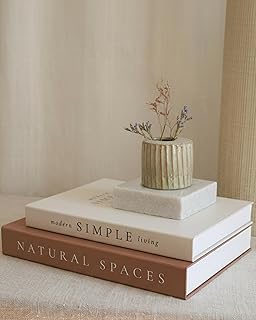
Beautiful Decorative Books
If you want something that just works, Beautiful Decorative Books – Set of 2 Boxes Enhance Your Coffee Table is a safe bet (288 reviews, 4.5 stars).
16. Ground the Room with an Oversized Washable Rug

A tiny rug ruins a room faster than anything else. If your sofa legs aren’t sitting on the rug, it’s too small. I bought an 8×10 foot washable rug from Ruggable for $269. The pattern is a faded, distressed Persian style in muted reds and blues. The large size makes the room feel massive. The distressed pattern hides dirt perfectly. Washable rugs are incredibly thin, which fits the minimalist profile. You don’t have to deal with a thick, shaggy pile trapping crumbs. I spilled a glass of red wine on it last month. I just peeled the top layer off, threw it in my washing machine, and it came out perfect. I used to buy cheap 5×7 rugs at Walmart for $40. They always curled at the edges and looked like bath mats in the middle of the living room. Buy the biggest rug that fits your space.
17. Use Heavy Art Books as Structural Decor

Books are the ultimate maximalist minimalist decor tool. They add color, texture, and personality in a very neat, rectangular package. I buy massive, heavy art and architecture books. I have a 14×10 inch Tom Ford hardcover that weighs about 8 pounds. It cost $95. I stack it on my coffee table with two other large photography books. The stack creates a solid, architectural pedestal. I place a small brass bowl on top of the stack. I never buy fake decorative books. They feel hollow and cheap. You can find incredible, massive art books at used bookstores for $15. I stack them horizontally on shelves instead of lining them up vertically. A horizontal stack of three heavy books looks intentional and styled. A row of twenty random paperbacks just looks like a library. The horizontal stacks break up the vertical lines of a bookshelf beautifully. Took me years to figure out.
Finding the balance between bare and cluttered takes a lot of trial and error. I spent way too much time returning ugly lamps before I figured out these rules. Start with the neutral base and slowly add your heavy textures and single statement pieces. If you try to do it all in one weekend, you’ll end up with a cart full of stuff you don’t actually like. Pin this guide so you can reference the 60-30-10 color rule the next time you’re standing in the store trying to decide between a plain pillow and a patterned one.
Frequently Asked Questions
What is maximalist minimalist decor?
It’s an interior design style that combines a clean, neutral foundation with bold, carefully curated statement pieces. It gives you the visual interest of maximalism without the overwhelming clutter of having too many objects.
How do I avoid clutter in a maximalist space?
Focus on scale rather than quantity. Choose one massive piece of art instead of ten small frames, and use the 60-30-10 color rule to keep the visual weight balanced. Every item should have a specific purpose.
Can I use bright colors in minimalism?
Yes, but they should be restricted to your 10 percent accent category. A single burgundy chair or a mustard yellow pillow pops beautifully against a warm cream or stark white minimalist background.
What kind of art works best for this style?
Oversized, singular pieces work best. A 60-inch canvas creates massive impact but only requires one frame, keeping the lines of the room clean and simple while still making a bold statement.
