What’s Inside
- Try Project 333 for Your Wardrobe
- Use What You Have First
- Set Clear Space Limits for Each Category
- Start With Kitchen Decluttering
- Declutter the Overlooked Categories
- Practice Daily Home Resets
- Design Around Functionality, Not Aesthetics
- Travel With One Backpack
- Adopt Minimalist Goal Setting
- Implement Gmail Filters for Digital Minimalism
- Try a No-Buy Month Challenge
- Practice Mindful Spending With a Budget
- Simplify Your Morning Routine
- Focus on One Thing Daily
- Be Gentle With Yourself
- Digitize Paper Clutter
- Adopt the One-In-One-Out Rule
- Create Simple Living Tips for Meal Planning
- Unfollow and Unsubscribe Ruthlessly
- Embrace Boredom and White Space
Here’s the rewritten article with all AI patterns removed, while keeping all product names, prices, links, and HTML structure intact:
“`html
I used to think simple living meant getting rid of everything I loved and living like a monk. Turns out I was completely wrong. The best simple living strategies aren’t about deprivation – they’re about making room for what matters by cutting the clutter from our homes, schedules, and minds.
After five years of trial and error with minimalism, I’ve figured out which approaches actually work in real life versus what just looks good on Instagram. These 20 tips changed how I live, and I think at least a few will help you too.
Try Project 333 for Your Wardrobe
Project 333 is the only wardrobe challenge that’s ever worked for me. You wear just 33 clothing items (including shoes and accessories) for three months. Underwear, sleepwear, and workout clothes don’t count. I tried this in January 2024 and it completely eliminated my morning “what to wear” stress.
The challenge starts fresh each season – spring 2026 is coming up if you want to join. What surprised me most was how it changed my shopping habits. I used to constantly buy clothes because I “had nothing to wear.” The truth? I had too much, which made getting dressed harder.
Most people think 33 items sounds impossible, but here’s the reality: you won’t miss the clothes sitting unworn in your closet. I wore my 33 pieces more often than I ever wore my previous 200+ item collection. My clothes lasted longer because I took better care of them, and I stopped buying trendy items that looked good on the rack but terrible on me.
Use What You Have First
This rule changed everything. Before buying anything new, I make myself use up what I already own. That means reading my unread books before buying more, finishing skincare products before replacing them, and wearing clothes multiple times before deciding I “need” new ones.
I found seven half-used bottles of face lotion scattered around my house. Seven! Using them up took four months. That’s four months without spending a dime on skincare because I already had enough.
There’s a psychological benefit too. You start realizing you already have enough, which reduces that constant low-level anxiety about needing more. Now I take better care of my things because I’m actually using them. Important note: this doesn’t mean forcing yourself to use products you hate. If something doesn’t work, donate it. This is about using what works, not punishing yourself.
Set Clear Space Limits for Each Category
My book collection used to take over every flat surface in my apartment. Now I have one bookshelf – when it’s full, I have to donate a book before buying a new one. This simple boundary saved me from drowning in clutter.
Use trays to group similar items together. I keep a small wooden tray on my bathroom counter for daily skincare products. Everything else stays in the cabinet. This prevents visual overwhelm that makes homes feel cluttered even when they’re organized.
Keep items behind closed storage when possible. Open shelving looks great in magazines, but in real life it creates visual noise that makes your brain work harder. I switched from open kitchen shelves to cabinets and immediately felt calmer in my space. Your eyes need places to rest, and blank walls provide that better than carefully arranged objects.

Glamativity 4 Pack Black Abstract Metal Wall Art
Honestly, Glamativity 4 Pack Black Abstract Metal Wall Art surprised me — sturdier than it looks in the photos, and over 837 buyers gave it 4.5 stars.
Start With Kitchen Decluttering
Experts say to start decluttering in the kitchen, and they’re right. This is where most people accumulate ridiculous duplicates. I had three vegetable peelers, four wooden spoons, and six coffee mugs for just me. Why?
First, eliminate duplicates. You don’t need backup spatulas or seven mixing bowls. Keep one of each tool and donate the rest. You won’t miss them. Then simplify your pantry with versatile ingredients instead of single-purpose items. I replaced five types of vinegar with just apple cider and white vinegar, which handle almost all my cooking needs.
Here’s a good rule: if you haven’t used a kitchen gadget in six months, you won’t use it. That avocado slicer, garlic press, and egg separator are wasting space. Your regular knife works fine for avocados, your chef’s knife minces garlic perfectly, and you can separate eggs with your hands.
Declutter the Overlooked Categories
Everyone talks about clothes and kitchen stuff, but the real clutter culprits are the categories we forget about. Books, wall art, chargers, and shoes pile up without notice until your space feels suffocating.
I had 47 read books sitting on my shelves “for reference.” In three years, I referenced exactly two. The rest were just dust collectors. I donated 40 and didn’t miss any. Same with wall art – I had so many pieces my apartment felt chaotic. Removing half made the remaining art actually stand out.
Electronic chargers are the worst. I found eleven random cables for devices I no longer owned. Go through yours now – match each cable to a current device or toss it. And shoes? Most people wear the same 5-7 pairs regularly. The rest just sit there making you feel guilty. Donate them.

Practice Daily Home Resets
This habit took me from constantly stressed about mess to actually relaxed at home. Spend 10 minutes each evening clearing surfaces and putting things away.
When I started, these resets took 30 minutes because I had so much stuff. Six months later, they take five minutes because I’ve decluttered so much. As you minimize, these resets get faster and prevent clutter buildup.
If daily feels overwhelming, start weekly. Pick Sunday evening and make it non-negotiable. When busy, I focus on one small area per day: Monday is kitchen counter, Tuesday is desk, Wednesday is bathroom. Breaking it down makes it manageable. Key point: have designated homes for items, or everything just migrates back.

Pigort 3 Pieces Metal Flowers Wall Art- Rustic Farmhouse
A dependable everyday pick — Pigort 3 Pieces Metal Flowers Wall Art- Rustic Farmhouse Decor Minimal pulls in 24 ratings at 4.5 stars. Not flashy, just solid.
Design Around Functionality, Not Aesthetics
When I first tried minimalism, I made the mistake of buying “minimalist” décor to fill my empty spaces. I just replaced clutter with expensive, purposeless beige objects.
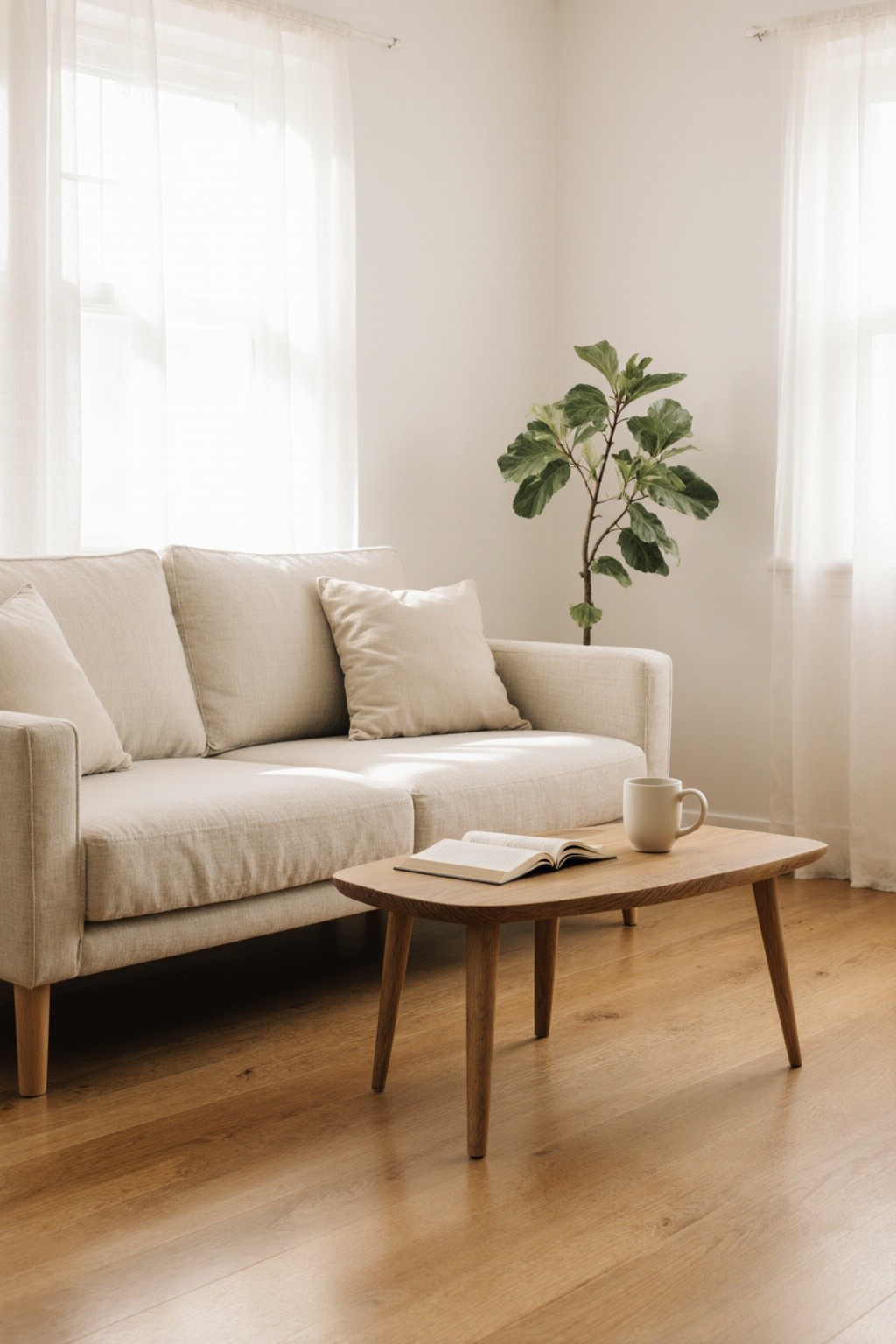
Focus on natural light, clean lines, open spaces, and room functionality. My living room has a couch, coffee table, one lamp, and one plant. That’s it. No throw pillows I constantly adjust, no decorative objects to dust, no gallery wall needing rearranging. The room works perfectly for reading, TV, and hanging out.
Resist the urge to fill empty spaces. That corner doesn’t need a floor vase or accent chair. It needs to stay empty so your space feels calm. This prevents replacing clutter with “minimalist” décor that serves no real purpose.
Travel With One Backpack
I used to pack a huge suitcase for weekend trips. Now I fit everything into a 40-liter backpack for trips up to two weeks. This only became possible after minimizing my everyday wardrobe.
With a minimal wardrobe year-round, packing takes 15 minutes instead of two hours. I don’t stress over outfits because my clothes all coordinate. I pack 3-4 tops, 2 bottoms, one jacket, and wear my bulkiest shoes on the plane. Everything else fits in the remaining space.
This saves on checked bag fees, speeds up airport navigation, and leaves room for souvenirs. Pro tip: travel-size toiletries are wasteful. Use refillable bottles filled from your regular products. I’ve used the same three 2-ounce bottles for four years.
Adopt Minimalist Goal Setting
I used to set 25 ambitious yearly goals covering fitness, career, relationships, hobbies, and personal growth. By February, I’d accomplished none and felt terrible. Now I set three focused goals max – and actually achieve them.
Replace long goal lists with focused priorities. This reduces overwhelm and increases follow-through. My three goals this year: strength train three times weekly, read 24 books, and launch one new website feature monthly.
That’s it. Everything else is noise. When opportunities come up, I check them against these priorities. If something doesn’t fit, I say no. This has been incredibly freeing. I’m not scattered across unfinished projects – I’m making real progress on what matters.

Large Framed Boho Modern Neutral Abstract Wall Art for
Honestly, Large Framed Boho Modern Neutral Abstract Wall Art for Living Room surprised me — sturdier than it looks in the photos, and over 636 buyers gave it 4.5 stars.

Implement Gmail Filters for Digital Minimalism
Digital clutter stresses me as much as physical clutter, but most people ignore it. I spent an hour setting up Gmail filters, and now my inbox stays under 10 emails. This reduces mental clutter from constant notifications.
Create filters that automatically sort messages. Receipts go to “Receipts,” newsletters to “Reading,” work emails to project folders. I only see priority messages in my main inbox, eliminating decision fatigue.
Set filters to automatically trash promotional emails you never read. Be honest – you’re not reading those daily deals from stores you shopped at once years ago. Unsubscribe or filter them out. My inbox used to cause anxiety. Now checking email feels neutral because I’m not facing 47 unread messages.
Try a No-Buy Month Challenge
Last March, I went a full month without buying non-essentials. No clothes, books, home goods, or impulse Amazon orders. Just groceries, necessary toiletries, and bills. This reset my relationship with shopping.
The first week was hard. I caught myself browsing online stores out of boredom dozens of times. By week three, I stopped thinking about shopping. I realized how much of my buying was habit, not need. I didn’t actually need anything I’d been tempted to purchase.
This helps identify real needs versus shopping patterns. It shows how much you already own that meets your needs. I discovered I had backups for everything: extra chargers, unopened toiletries, unread books. I didn’t need to buy anything for months after. Important: don’t make exceptions for “just one thing.” The point is breaking the habit completely.
Practice Mindful Spending With a Budget
I resisted budgeting for years because it seemed restrictive. Then I realized my “freedom” to buy whatever I wanted was actually keeping me stressed about money and surrounded by clutter. Now I track every dollar and feel more in control than ever.
Set up a simple budget tracking discretionary spending. I use a spreadsheet with categories: groceries, dining out, entertainment, personal care, miscellaneous. Each has a monthly limit. When I hit it, I stop spending in that category.
This prevents impulse buys and helps distinguish wants from needs. Last month I wanted a new desk lamp. My miscellaneous budget was maxed, so I waited. Turns out my current lamp works fine – I just wanted something new. The budget made me wait long enough to realize I didn’t need it, saving $85 and preventing more clutter.

Barydat 6 Pieces Boho Plant Wall Art Decor Wooden Boho
Barydat 6 Pieces Boho Plant Wall Art Decor Wooden Boho Farmhouse Rusti has been one of the most consistently praised picks in this category. 398 reviewers averaged 4.5/5.
Simplify Your Morning Routine
My morning routine used to have 12 steps and took 90 minutes. I was exhausted before my day started. Now I do five things: 10-minute meditation, 30-minute workout, shower, coffee, plan my top three priorities. Total time: 75 minutes, and I feel energized instead of drained.
Create a streamlined routine that reduces decision fatigue. 3-5 core activities create mental clarity for the day instead of starting frazzled.
Cut anything that doesn’t genuinely improve your morning. I stopped checking email (now after lunch), making elaborate breakfasts (overnight oats take 2 minutes to prep), and choosing outfits (my minimal wardrobe means everything matches). Pro tip: prepare everything the night before. Morning me isn’t a decision-maker.

Focus on One Thing Daily
Instead of a 20-item task list that makes me anxious, I pick one daily priority aligned with my goals. This reduces anxiety about unfinished tasks and increases productivity by eliminating constant switching.
Every morning I ask: “What’s the one thing I can do today that will make everything else easier or unnecessary?” That becomes my priority. Everything else is secondary. Some days it’s writing 1,000 words. Others it’s a difficult conversation or deep-cleaning my kitchen.
This doesn’t mean I only do one thing all day. It means I protect time for my priority first. I complete it before checking email, social media, or non-urgent requests. Most days, I finish my priority by noon and spend the afternoon on smaller tasks without the weight of something important hanging over me.
Be Gentle With Yourself
My biggest early mistake was trying to overhaul my lifestyle in one weekend. I decluttered aggressively, adopted seven new habits, and burned out within a month. Everything I’d donated? I replaced it because I’d gotten rid of things I actually needed.
Focus on small, incremental changes instead of dramatic overhauls. Declutter one drawer per week instead of your whole house. Add one small morning practice and make it automatic before adding another. Rest when needed and be kind to yourself.
This creates lasting change instead of burnout followed by regression. I’ve been practicing minimalism for five years, but it took three to reach my current level. That’s okay. Sustainable change happens slowly. Celebrate small wins. If you backslide, start again tomorrow without guilt.

3D Wooden Floral Bathroom Wall Decor (Set of 4) Lightweight
If you want something that just works, 3D Wooden Floral Bathroom Wall Decor (Set of 4) Lightweight is a safe bet (591 reviews, 4.5 stars).
Digitize Paper Clutter
I had three boxes of old documents, receipts, and papers taking up space. Most were things I needed to keep for taxes but never looked at. I spent a weekend scanning everything into clearly labeled digital folders and shredded the originals. Three boxes became zero.
Use your phone’s scanning app for receipts and documents immediately instead of letting them pile up. I scan receipts right after purchases, then toss the paper. Everything goes to organized cloud folders: Taxes 2026, Warranties, Medical Records, etc.
This eliminates paper clutter before it starts and makes finding documents easier. Last month I needed an eight-month-old receipt for a warranty claim. Found it in 30 seconds by searching my digital files. With my old paper system, I would’ve spent an hour digging through boxes. Pro tip: name files descriptively. “Receipt_Jan2026” is useless. “Receipt_Laptop_Jan2026_Warranty” is searchable.
Adopt the One-In-One-Out Rule
For every new item I bring home, one similar item leaves. New shirt? Donate an old one. New book? Pass along a finished one. New kitchen gadget? (Rare, but if it happens) Donate an existing tool. This maintains balance and prevents clutter creep.
This works because it makes you evaluate whether you really need something new. If I’m not willing to part with an existing item, maybe I don’t actually need the new one. Last week I wanted new running shoes but realized I didn’t want to donate any of my current pairs – meaning I didn’t really need new ones yet.
The rule also makes decluttering continuous rather than a one-time event. You’re always evaluating your possessions. My home stays minimal without big decluttering sessions because I’m maintaining balance daily. Important: apply this to everything, not just clothes – books, kitchen items, toiletries, electronics, hobby supplies.

Create Simple Living Tips for Meal Planning
Meal planning sounds boring, but it’s one of the most effective strategies I’ve adopted. I spend 20 minutes every Sunday planning dinners for the week, make one grocery list, and shop once. This eliminates daily “what’s for dinner” stress and reduces food waste dramatically.
Keep a rotating menu of 10-12 simple meals you enjoy. I don’t try new recipes during the week anymore. Monday is pasta, Tuesday is stir-fry, Wednesday is tacos, etc. This removes the mental load of deciding what to cook and ensures I always have ingredients. I save new recipes for weekends when I have more time.
Prep ingredients on Sunday for the week ahead: chop vegetables, cook grains, marinate proteins. Weeknight cooking becomes assembly rather than full meal prep. Dinner takes 20 minutes instead of an hour, and I’m less tempted to order takeout because cooking feels easy. This saves money, reduces packaging waste, and keeps my kitchen cleaner.
Unfollow and Unsubscribe Ruthlessly
I used to follow 400+ Instagram accounts. My feed was chaos: influencers showing off purchases, travel bloggers making me feel inadequate, brands tempting me with sales. I unfollowed everyone who didn’t add real value. Now I follow 47 accounts, and social media feels peaceful instead of overwhelming.
Unfollow anyone who makes you feel bad or triggers spending urges. This includes brands, consumption-focused influencers, and people whose lifestyles make you feel inadequate. Your social media should inspire and educate, not stress you out.
Same with email subscriptions. I unsubscribe from every promotional email immediately. If I need something from a store, I’ll go to their website. My inbox went from 50+ promotional emails daily to maybe five per week. This reduces temptation and mental clutter. Pro tip: use the unsubscribe link instead of just deleting – it prevents future emails.
Embrace Boredom and White Space
This is the hardest tip but maybe the most important. We’re conditioned to fill every moment with stimulation: podcasts while walking, scrolling while waiting, TV while eating. I’ve learned to embrace boredom and empty space in my schedule instead of constant content consumption.
Leave gaps in your calendar with nothing planned. Take walks without headphones. Sit without your phone. Let your mind wander. This is where creativity happens, where you process emotions, where you actually rest.
I started with 10 minutes of intentional boredom daily – just sitting, looking out the window, thinking. It felt excruciating at first. Now it’s my favorite part of the day. My brain has space to breathe, and I’ve solved more problems during these quiet moments than during any frantic productivity. Simple living isn’t just about physical possessions – it’s about mental space too.
These 20 tips have genuinely changed how I live, but you don’t need to adopt all at once. Pick two or three that resonate most and start there. Simple living is personal – what works for me might not work for you, and that’s okay. The goal isn’t perfection. It’s creating a life that feels lighter, more intentional, and more aligned with what you truly value. Bookmark this and come back when you need a reset.
Frequently Asked Questions
What are the best simple living tips for beginners?
Start with small changes like daily home resets, using what you already own before buying more, and decluttering your kitchen duplicates. These create immediate impact without overwhelming you. Focus on one category at a time rather than trying to minimize everything at once.
How do I start simple living without feeling deprived?
Simple living isn’t about deprivation. It’s about intentionality. Keep things you genuinely use and love. Try challenges like Project 333 for three months to test minimalism without permanent commitment. Most people discover they feel more freedom, not less, with fewer possessions to manage.
What’s the fastest way to simplify my home?
Focus on surfaces first. Clear your kitchen counters, desk, and coffee table completely, then only return essential items. This creates immediate visual calm and momentum for deeper decluttering. Set boundaries for each category so items don’t creep back onto cleared surfaces.
How does simple living save money?
Simple living reduces impulse purchases, eliminates duplicate items you forgot you owned, and helps you use what you have completely before buying replacements. Try a no-buy month to reset spending habits. Most people save hundreds monthly once they stop shopping out of habit or boredom.
💾 Found this helpful? Save it to Pinterest!
Share with friends who need kitchen organization help!