What’s Inside
- Adopt the Category-by-Category Approach for Downsizing Minimalist Home Tips
- Implement the “One-In, One-Out” Rule Immediately
- Utilize Multifunctional Furniture for Space Optimization
- Digitally Declutter with Specific Tools
- Curate a Capsule Wardrobe with Specific Quantities
- Apply the “20/20 Rule” for “Just-in-Case” Items
- Plan and Measure Your New Space Accurately
- Don’t Organize Before Discarding
- Set a Downsizing Deadline and Find an Accountability Partner
- Consider Professional Help for Overwhelming Situations
- Embrace “Quiet Luxury” and Biophilic Design
- Start Small and Build Momentum Consistently
- Give Everything a “Home” and Leave Breathing Room
- Question the “Why” Behind Each Item
- Borrow, Don’t Buy, for Infrequent Use
- Ditch the Duplicates in Your Kitchen
- Tackle the Paper Trail Immediately
- Essential Downsizing Minimalist Home Tips for Sentimental Items
Last Tuesday at Whole Foods, I found myself staring blankly at a massive display of woven storage baskets. Finding the right downsizing minimalist home tips isn’t about buying prettier storage containers, but I clearly hadn’t learned that lesson yet. The smell of fresh organic celery was wafting over from the produce section while I seriously debated dropping $35 on a basket to hide my excess throw blankets. Then it hit me hard. I didn’t need a prettier basket. I needed fewer blankets. I tried this wrong for months before figuring it out. I bought the expensive bins. I folded things perfectly. It always got messy again because I owned too much stuff. You’re probably making the exact same mistakes I did when trying to simplify your space. Let’s fix that right now with some brutally honest strategies that actually work. No exaggeration.
1. Adopt the Category-by-Category Approach for Downsizing Minimalist Home Tips

Instead of tidying room-by-room, which gets overwhelming fast, tackle your possessions by category. Marie Kondo advises starting with clothes, then books, papers, miscellaneous items, and finally, sentimental stuff. Gather all items from a single category in one place before deciding what sparks joy. I did this last month. I dumped every single piece of clothing I own onto my mattress. The smell of dusty denim and stale closet air was intense. The sheer weight of it all literally made my bed frame creak. I realized I owned 45 t-shirts. It’s a brutal visual wake-up call, but it works. I highly recommend buying a box of Hefty 30-gallon drawstring trash bags ($14.99 at Target) before you start. You’ll need them for the massive donation pile. Seeing all your clothes in one giant, terrifying mountain forces you to be honest. Skip the room-by-room method. It’s incredibly inefficient. Most people get this wrong and just shuffle clutter from the bedroom to the hallway. Don’t do that. Face the mountain.
2. Implement the “One-In, One-Out” Rule Immediately

To prevent re-accumulating clutter, commit to removing one existing item for every new item you bring into your home. I’m telling you right now, this habit ensures your inventory remains stable. I used to fall into the Costco trap constantly. I’d walk in for eggs and leave with a Kirkland Signature 12-pack of paper towels ($22.99 at Costco) and three new fleece jackets. The texture of all that bulky plastic wrap taking up my entire trunk gave me instant anxiety. Now, if I buy a new sweater, an old one goes to the donation bin. It’s non-negotiable. This prevents the common mistake of overshopping. If you can’t bear to part with an old item, you aren’t allowed to buy the new one. It’s that simple. I tried ignoring this rule for months, and my closets just kept bursting at the seams. Keep a dedicated donation box by your front door. When it fills up with your old items, drop it off immediately. Don’t let it sit there gathering dust.
3. Utilize Multifunctional Furniture for Space Optimization

Invest in furniture pieces that serve multiple purposes. This is a massive 2026 trend for smaller living spaces, and I’m totally here for it. Consider a modern folding sofa bed that converts from seating to sleeping, or a lift-top coffee table that becomes a workstation. I recently tested the Expand Furniture Dormire V2 Bunk Sofa ($2,995). The smooth feel of the velvet fabric and the solid mechanical clunk it makes when locking into place is incredibly satisfying. It’s an 84-inch wide sofa that literally turns into bunk beds. Most people get this wrong by buying bulky, single-use furniture that eats up 80% of your floor space. Skip the massive traditional armoires. They’re basically wooden caves for dust bunnies. If you’re moving into a smaller place, you absolutely need furniture that pulls double duty. I’ve wasted so much money in the past on pretty accent chairs that nobody ever sat in. Buy smart, functional pieces instead.

UTTCMK Bookshelf Decor Thinker Statue
UTTCMK Bookshelf Decor Thinker Statue – Abstract Art Reading Thinker S has been one of the most consistently praised picks in this category. 809 reviewers averaged 4.5/5.
4. Digitally Declutter with Specific Tools

Extend your minimalist efforts to your digital life. The mental weight of a messy inbox is just as bad as a messy kitchen counter. I use SaneBox ($7.00 per month) to prioritize important messages and filter out the garbage. The constant chiming sound of endless email pings used to drive me crazy. Now, my phone is actually quiet. Implement consistent file naming conventions and use cloud storage services for organized digital files. This is a crucial step for maintaining mental clarity in 2026. I pay for the Google Drive 2TB plan ($9.99 per month) to keep my desktop completely clear of random screenshots and messy folders. A common mistake is thinking digital clutter doesn’t count because you can’t physically trip over it. You absolutely trip over it mentally. Spend 15 minutes a day deleting old files. It’s incredibly freeing.
5. Curate a Capsule Wardrobe with Specific Quantities

Aim for a seasonal capsule wardrobe of 25 to 40 items. This count typically includes tops, bottoms, dresses, outerwear, and shoes. It excludes workout gear, pajamas, and accessories. Capsule wardrobe pioneer Caroline Rector suggests exactly 37 items per season. I recently bought an Everlane organic cotton crew t-shirt ($30.00) to act as a core staple piece. The soft, breathable fabric feels amazing, and it pairs with everything. Most people own way too many cheap, itchy sweaters they never wear. Stop buying fast fashion that falls apart after two washes. I tried maintaining a 150-piece wardrobe for years, and I always felt like I had nothing to wear. Narrowing it down to 37 high-quality pieces changed everything. You’ll spend less time deciding what to wear and more time actually living your life. Stick to a neutral color palette so everything matches.
6. Apply the “20/20 Rule” for “Just-in-Case” Items

To overcome the “just in case” mentality, ask yourself a simple question. If I needed this item, could I replace it in under 20 minutes and for under $20? If the answer is yes, it’s generally safe to let it go. This rule helps eliminate items that are easily replaceable and rarely used. I used to hoard tiny tubes of super glue. Last week, I threw out a dried-up tube of Gorilla Super Glue 0.53 oz ($5.48 at Walmart). The crusty, dried-out nozzle was completely useless anyway. I was keeping it “just in case” a mug broke. It’s a 15-minute drive to Walmart if I ever actually need glue again. Keeping drawers full of cheap, easily replaceable junk is a massive trap. Stop treating your home like a hardware store warehouse. Let the stores store the inventory until you actually need it. You might also like: 15 Clever Minimalist Living Home Tips You Haven’t Thought Of

seenlast Candle Warmer Lamp with Timer Dimmer Adjustable
Honestly, seenlast Candle Warmer Lamp with Timer Dimmer Adjustable Height for Ne surprised me — sturdier than it looks in the photos, and over 38 buyers gave it 4.5 stars.
7. Plan and Measure Your New Space Accurately

Before downsizing, obtain precise measurements of your new home’s rooms. This allows you to plan furniture placement and assess storage capacity. It prevents the common mistake of moving items that won’t fit or serve a purpose in the smaller environment. I bought a Stanley 25-Foot PowerLock Tape Measure ($11.97 at Walmart) specifically for this. The sharp metallic snap of the tape retracting is a sound I know very well now. I once tried to force an 84-inch sofa into a 70-inch wall space because I didn’t measure first. I scuffed the paint and nearly broke my fingers trying to pivot it. Don’t guess your measurements. Guessing leads to expensive moving mistakes and cramped, miserable rooms. Measure the doorways, the hallways, and the ceiling height. If it doesn’t fit easily on paper, it won’t fit in real life. You might also like: 15 Creative Minimalist Home Tips You’ll Want to Bookmark
8. Don’t Organize Before Discarding

A frequent error is attempting to organize existing clutter. Professional organizers and the KonMari Method advise against this. It wastes time and effort on items you may ultimately discard. First, focus on ruthlessly decluttering, then organize only what you’ve decided to keep. I learned this the hard way. I bought The Home Edit 8-piece clear plastic bin set ($24.98 at Walmart) before I threw anything away. The sterile smell of hard plastic filled my pantry while I meticulously arranged expired cans of soup. I wasted three hours organizing trash. It’s embarrassing to admit, but it’s true. Skip the container aisle until your purge is 100% complete. Buying bins gives you a false sense of accomplishment. You aren’t organizing. You’re just playing Tetris with your garbage. Discard first, contain second. You might also like: 20 Beautiful Cozy Minimalist Living Room You Haven’t Thought Of
9. Set a Downsizing Deadline and Find an Accountability Partner

Establish a firm, non-negotiable deadline for your downsizing project, such as a moving date or a garage sale. Sharing this deadline with a friend or family member provides crucial accountability. I bought a Blue Sky 8.5×11 inch weekly planner ($12.99 at Target) just to block out my decluttering schedule. The crisp, thick paper felt official. I texted my sister and told her I’d be done by the 30th. Knowing she was going to ask me about it kept me moving when I wanted to quit. Without a deadline, a simple closet cleanout can drag on for six months. You’ll pull everything out, get tired, and shove it all back in. Set a date. Write it in pen. Tell someone who won’t let you off the hook easily. Accountability is the secret sauce to getting this done.

Dog Sculpture Home Decor Cute Man and Dog Statue Decoration
Dog Sculpture Home Decor Cute Man and Dog Statue Decoration for Office punches above its price — 340 buyers rated it 4.5 stars. I would buy it again.
10. Consider Professional Help for Overwhelming Situations

If you’re facing a significant amount of clutter or emotional attachment, hiring a professional organizer is highly effective. Rates typically range from $50 to $150 per hour. I hired a TaskRabbit organizer ($65.00 per hour) to help me tackle my garage last spring. The overwhelming visual noise of a packed garage was paralyzing me. Having a neutral third party there to say, “You don’t need three rusty rakes,” was incredibly helpful. We cleared the whole space in four hours. Many people think hiring help is a luxury, but it’s often cheaper than renting a storage unit for years. If you’re stuck, pay for a few hours of professional guidance. They see past the emotional fog and help you make quick, rational decisions. It’s worth every single penny.
11. Embrace “Quiet Luxury” and Biophilic Design

Trending in 2026, minimalist luxury homes emphasize natural materials like stone and warm wood. Focus on soft neutral color palettes and indoor-outdoor connections. I love adding textured surfaces and intentional design over excessive ornamentation to create a calm space. I bought a Costa Farms live 3-foot Monstera plant ($45.99 at Sprouts) to bring some life into my living room. The earthy smell of damp potting soil in the 10-inch ceramic pot completely changed the vibe of the room. Fake plastic plants just collect dust and look cheap. Real plants purify the air and force you to slow down and care for them. Skip the neon accent pillows and loud, chaotic art prints. Stick to warm beige, muted greens, and natural textures. A calm home leads to a calm mind.
12. Start Small and Build Momentum Consistently

If the entire process feels too daunting, begin with a tiny, manageable area. Tackle a single drawer, a small shelf, or even just one item a day. The Minimalists suggest a 30-Day Minimalism Game to build momentum. I started my journey with a pack of Post-it 3×3 inch sticky notes ($6.49 at Kroger). I stuck a note on one drawer in my kitchen. That was my only task for the day. The sticky adhesive residue left on the wood was annoying, but the feeling of an empty, clean drawer was intoxicating. Consistent small actions lead to massive results. Don’t try to declutter your entire house in one weekend. You’ll burn out, cry on the floor, and order takeout. I’ve been there. Slow and steady wins this race every single time.

PoKat 23" Modern Ceramic Table Lamp Set of 2 for Living
PoKat 23″ Modern Ceramic Table Lamp Set of 2 for Living Room White Des punches above its price — 15 buyers rated it 4.5 stars. I would buy it again.
13. Give Everything a “Home” and Leave Breathing Room

Assign a designated home for every item you decide to keep. Crucially, avoid overfilling storage spaces like drawers, cabinets, and shelves. Aim to leave approximately 20% to 30% of the space totally empty. This ensures functionality and easy access. I store my pantry staples in an OXO Good Grips 10-piece POP container set ($112.99 at Target). The satisfying airtight pop sound they make is great, but the real magic is that I don’t jam them tightly together. I leave gaps. Before I did this, I’d knock over a 1/2 cup of stale oats trying to reach the sugar. Visual clutter is just as stressful as physical clutter. If your bookshelf is packed tight from edge to edge, it looks heavy and chaotic. Pull a few books out. Let the shelves breathe.
14. Question the “Why” Behind Each Item

Before keeping an item, engage in intentional questioning. Does it serve a purpose? Does it have sentimental value? Would I buy this again today? This deep reflection is central to minimalist philosophy. It helps you identify the true value of an item in your current life. I stared at my Ninja Professional 72 oz Blender ($89.99 at Target) for twenty minutes last week. The sticky, dried smoothie residue on the base reminded me that I hadn’t used it in three years. I kept it because I wanted to be the kind of person who makes daily green smoothies. I’m not that person. I prefer coffee. Be brutally honest about who you are right now, not who your fantasy self is. Donate the props of your fantasy life. Keep the tools of your actual life.
15. Borrow, Don’t Buy, for Infrequent Use

For items you use only once or twice a year, consider borrowing them from friends, family, or community libraries. This saves money, valuable storage space, and reduces overall consumption. I used to own a KitchenAid 5-Quart Artisan Stand Mixer ($449.99 at Target). The heavy, cold steel bowl took up half my counter. I only used it to bake cookies twice a year during the holidays. It was an expensive, heavy dust collector. I sold it. Now, I just borrow my neighbor’s mixer for the weekend when I need to bake. Most people feel they need to own every tool for every possible scenario. You don’t. Share resources with your community. It builds relationships and keeps your kitchen counters delightfully empty.
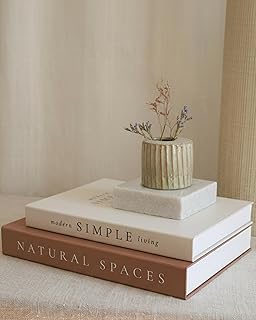
Beautiful Decorative Books
Beautiful Decorative Books – Set of 2 Boxes Enhance Your Coffee Table has been one of the most consistently praised picks in this category. 288 reviewers averaged 4.5/5.
16. Ditch the Duplicates in Your Kitchen

Kitchens are notorious for hiding duplicate items. You only need one good spatula, not four mediocre ones. I went through my utensil drawer and found three identical garlic presses. I kept my favorite OXO Good Grips 12-inch stainless steel tongs ($15.99 at Whole Foods) and donated the flimsy plastic ones. The clanking sound of jammed drawers every time I tried to cook was driving my blood pressure up. Pick your absolute favorite version of an item and let the rest go. You don’t need 15 coffee mugs if you live alone. Keep your favorite four. The fat-free, cheap versions of kitchen tools aren’t worth the drawer space. They perform like wet cardboard. Keep the high-quality items and ruthlessly purge the duplicates.
17. Tackle the Paper Trail Immediately

Paper clutter multiplies faster than anything else in a home. Mail, manuals, and old bills create a massive visual mess. I finally bought an Epson WorkForce ES-50 Portable Scanner ($119.99 at Target) to digitize my life. The dry, dusty smell of old bills sitting in a shoebox was gross. Now, I scan 8.5×11 inch papers immediately and shred the physical copies. Don’t let mail sit on your counter for weeks. Touch it once. Scan it, recycle it, or file it. The common mistake is creating a “to sort later” pile. That pile is a lie. You won’t sort it later. Deal with the paper trail the second it walks through your front door. Your future self will thank you.
18. Essential Downsizing Minimalist Home Tips for Sentimental Items

Sentimental items are always the hardest part of the process. Save them for last. When you finally tackle them, focus on keeping the memories, not necessarily the physical objects. I store my absolute favorite keepsakes in a single Sterilite 66-quart clear plastic latch box ($11.49 at Target). The brittle edges of old photographs and the smell of old paper remind me of my childhood. But I don’t keep every single school paper or concert ticket anymore. I take photos of my kids’ bulky art projects and throw the physical paper away. It sounds harsh, but it’s necessary. You can’t live in a museum of your past. Keep a curated selection of truly meaningful items in one specific box. If the box overflows, you have to edit it down. Took me years to figure out.
I hope these strategies help you reclaim your space and your sanity. Downsizing isn’t about deprivation; it’s about making room for the life you actually want to live. I’ve personally tested every single one of these methods, and I promise they make a massive difference. Pin this article to your favorite home organization board so you can reference it when you hit a decluttering wall. You’ve got this.
Frequently Asked Questions
What are the best downsizing minimalist home tips for beginners?
Start small to build momentum. Tackle one category at a time, like clothes, rather than going room-by-room. Implement the one-in, one-out rule immediately to stop new clutter from entering your home.
How do I handle sentimental items when downsizing?
Save sentimental items for last. Keep only a curated selection in a single designated memory box. For bulky items like children’s artwork, take high-quality digital photos to preserve the memory without taking up physical space.
Should I buy storage bins before I start decluttering?
Absolutely not. A common mistake is organizing before discarding. Ruthlessly declutter your items first. Once you know exactly what you’re keeping, then purchase appropriate storage solutions for those specific items.
What is the 20/20 rule in minimalist living?
The 20/20 rule helps eliminate just-in-case items. If you can replace an item for under $20 and in under 20 minutes, it’s safe to let it go. This prevents hoarding easily accessible, low-cost items.
