What’s Inside
- Master Your Core Color Palette with the 80/20 Rule
- Prioritize Quality Over Quantity Using Cost Per Wear
- Embrace Multi-Purpose Pieces for Maximum Versatility
- Don’t Rigidly Adhere to Arbitrary Numbers
- Invest in High-Quality Basics from Sustainable Brands
- Curate Your Denim Collection with Timeless Styles
- Incorporate Strategic Trend Pieces Thoughtfully
- Upgrade Your Outerwear with Versatile Investment Pieces
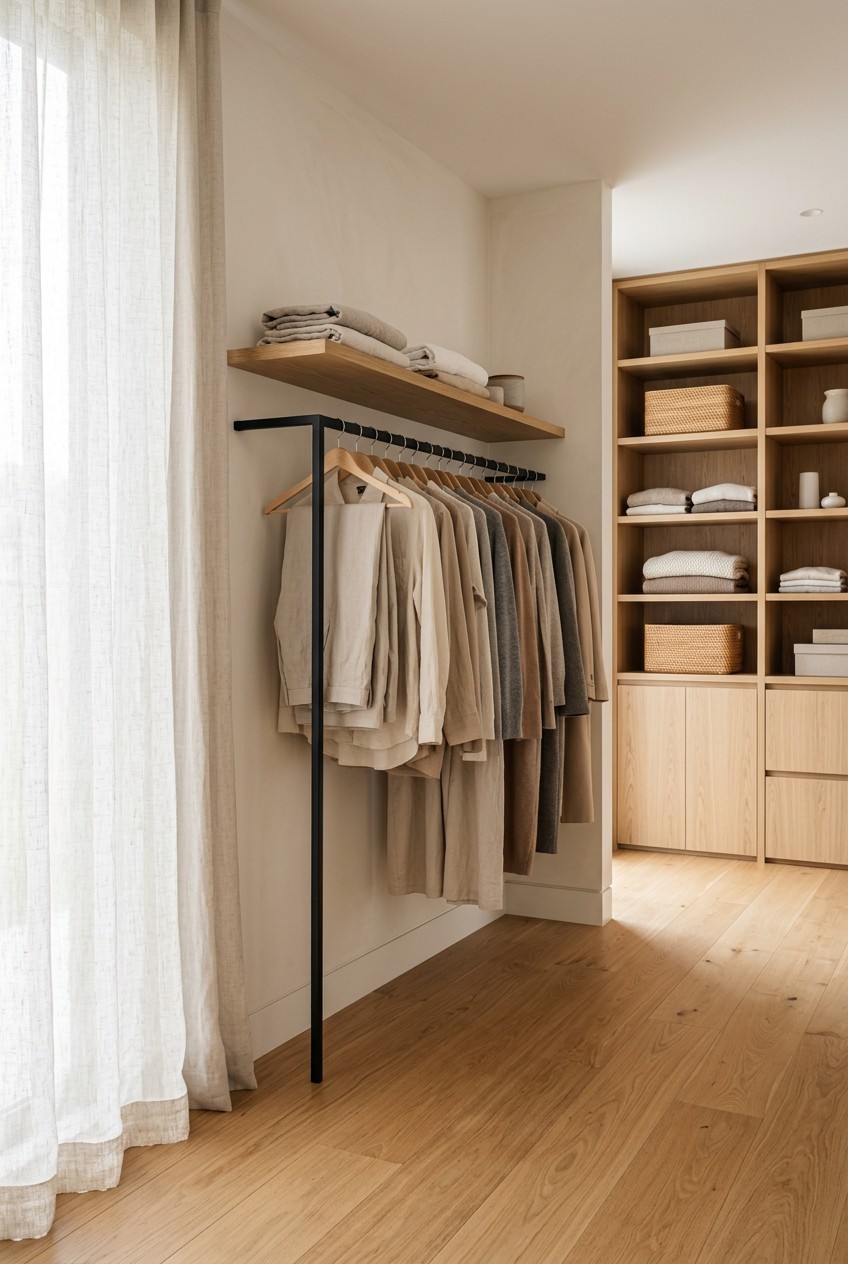
- Organize for Visibility to Avoid Duplicate Purchases
- Conduct a Personal Color Analysis Before Buying
- Embrace the Sandwich Method for Cohesive Outfits
- Vary Silhouettes, Necklines, and Textures
- Don’t Be Afraid to Buy Multiples of Beloved Items
- Integrate Tech Fabrics for Modern Functionality
- Plan for Seasonal Transitions with a Flexible Approach
- Build a Clothes Capsule Wardrobe for Loungewear
- Maintain Your Clothes Capsule Wardrobe Long-Term
Last Tuesday at Whole Foods, I stood frozen in the produce aisle holding a $3.99 organic avocado, realizing my giant wool sweater was unraveling into the tomatoes. I was sweating through three mismatched layers of cheap polyester. That moment was the push I needed to commit to a capsule wardrobe. My first attempt was a total disaster of beige boredom. I looked like a sad oatmeal blob. I bought a bunch of shapeless tan things because I thought that’s what minimalists did. Spoiler alert: they don’t. You don’t have to give up your personality for a functional closet. Today, I’m sharing the steps I use to curate a dreamy, cozy closet that actually makes sense for real life. Skip the cheap fast-fashion stuff. It feels like wet cardboard. Let’s look at the mechanics of building a wardrobe that works for you, not against you.
1. Master Your Core Color Palette with the 80/20 Rule

Start by defining a color palette. It’s the backbone of your closet. I tried this wrong for months. I used to buy random neon pieces on clearance, thinking I’d figure out how to style them later. I never did. Now, I stick to the 80/20 rule. Choose two to three core neutrals that form 80 percent of your closet. Think black, white, ivory, navy, grey, camel, or olive green. Then, pick two to four accent colors for the remaining 20 percent. For my base, I rely on a 6 oz heavyweight cotton white tee from Target ($8.00, 1-pack). It’s thick enough to hide a dark bra and tucks perfectly into jeans. My accent colors are olive green and soft blush pink. This ratio makes mixing and matching easy. If you’re staring at a closet full of wild prints and feeling overwhelmed, this is your starting line. Pull out your favorite neutrals and build around them. You’ll feel lighter instantly.
2. Prioritize Quality Over Quantity Using Cost Per Wear

Stop hyperventilating over price tags and look at cost per wear. Divide the item’s price by how many times you’ll actually wear it. A $200.00 jacket worn 50 times costs four bucks a wear. A $15.00 top worn once before it shrinks into a crop top costs fifteen bucks a wear. I swear by investing in higher-quality pieces for my core items. Last winter, I bought a durable cashmere sweater from Naadam for $98.00 (size medium). I wear it twice a week. It’s soft, doesn’t pill, and feels like a warm hug. I also love my washable silk skirt from Quince ($59.90, 1 item). Last week at Trader Joe’s, I spilled exactly 1/2 cup of iced coffee on it. Because it’s high-quality 4 oz silk, I just rinsed it in the sink with 1 tablespoon of gentle detergent, and it looked brand new. Cheap fabrics won’t survive that kind of real-life abuse. I learned that the hard way.
3. Embrace Multi-Purpose Pieces for Maximum Versatility

Seek out items that can be styled in multiple ways to increase your outfit count without stuffing your closet. I’m a fan of the quarter-zip sweater. It functions as a turtleneck against the cold or a relaxed V-neck when unzipped. I found a great ribbed cardigan at Walmart for $14.98 (Time and Tru, size large for an oversized fit). I wear it buttoned up as a shirt, open over a tank as outerwear, or draped over my shoulders. Most people get this wrong by buying hyper-specific occasion outfits. If you can’t think of three ways to wear a piece with what you already own, put it back. I once bought a sequin blazer for holiday parties. I wore it zero times. Now, I demand versatility. A solid multi-purpose piece is worth its weight in gold when you’re rushing at 6 AM in the dark.

WIHOLL Womens Summer Tops 2026 Short Sleeve V Neck T Shirts
WIHOLL Womens Summer Tops 2026 Short Sleeve V Neck T Shirts Fashion Be has been one of the most consistently praised picks in this category. 65 reviewers averaged 4.5/5.
4. Don’t Rigidly Adhere to Arbitrary Numbers

Some guides suggest counts like the Project 333 challenge (33 items for 3 months), but ignore the math if it stresses you out. A standard capsule usually ranges from 25 to 40 items per season. But honestly, the goal is peace of mind, not a strict number. If you live in a climate with wild temperature swings, you might need 50 pieces. That’s fine. I used to beat myself up because I owned 42 items instead of 33. It was exhausting. I’d sit on my bedroom floor counting socks. Don’t do that. Build a wardrobe that fits your life. For errands, I rely on Kirkland Signature leggings from Costco ($19.99, 2-pack). They’re thick, opaque, and hold up to endless washing. I own four pairs, and I don’t care if that ruins my minimalist count. Comfort and practicality beat arbitrary internet rules every time.
5. Invest in High-Quality Basics from Sustainable Brands

For your foundational pieces, prioritize brands known for ethical production and durability. I’ve stopped buying tissue-thin t-shirts that develop holes after two washes. For organic cotton basics, I highly recommend Pact. Their GOTS-certified organic cotton crewneck tee is $35.00 (1 item). It has a substantial 5 oz fabric weight that drapes beautifully without clinging to every lump. I also adore MATE The Label for their relaxed fits. Their organic cotton tank top is $48.00 (size small), made in LA. Yes, it’s more expensive upfront, but the sensory experience is night and day. These shirts smell like clean cotton, not chemical dyes. They feel soft against your skin. When you’re building a smaller wardrobe, every piece needs to feel amazing. If a shirt is scratchy, you won’t wear it. Stick to natural fibers. Your skin will thank you. You might also like: 15 Cozy Minimalist Living Lifestyle Tips That Actually Work
6. Curate Your Denim Collection with Timeless Styles

A well-chosen pair of jeans is indispensable. Right now, focus on classic cuts like straight-leg or a relaxed slim-fit. Skip the ultra-trendy micro-flares or heavily distressed jeans that let the cold air freeze your kneecaps. Levi’s 501 Original Fit Jeans remain a timeless choice. I bought a pair for $108.00 (size 28 waist), and they’ve molded perfectly to my body over the past year. They’re a heavy 14 oz denim that feels rigid at first but softens beautifully. I wore them to Kroger yesterday, paired with a simple black sweater, and felt put-together. For a sustainable option, Nudie Jeans is fantastic. They cost around $200.00 (1 pair) but offer free repair services globally. When the inner thigh wears thin, they’ll fix it. Finding the right denim takes patience. I tried on twenty pairs in a cramped fitting room before finding my holy grail. Don’t settle for a pair that pinches when you sit. You might also like: 20 Charming Minimalist Counter Decor Kitchen Ideas That Are Totally Worth It

WIHOLL Long Sleeve Shirts for Women Mock Neck Tops Pleated
A dependable everyday pick — WIHOLL Long Sleeve Shirts for Women Mock Neck Tops Pleated Front Blous pulls in 26 ratings at 4.5 stars. Not flashy, just solid.
7. Incorporate Strategic Trend Pieces Thoughtfully

While a minimalist closet prioritizes timelessness, you don’t have to look like you’re wearing a uniform from 1995. Integrate one or two trendy items per season to keep your style fresh. The trick is making sure these pieces play nice with your basics. I’m loving the scarf coat trend right now. It adds an editorial feel to a basic outfit. I snagged a wool-blend scarf jacket from Zara for $119.00 (size medium). It upgrades my plain white tees and straight-leg jeans. Another fun trend is a wide-leg trouser. I bought a pleated pair from Aritzia ($148.00, size 6). Before buying a trend piece, I force myself to visualize three outfits using items I already own. If I can’t picture it, I don’t buy it. I made the mistake of buying a neon pink micro-skirt last year because it looked cute on a mannequin. It matched nothing. Lesson learned. Keep your trends intentional. You might also like: 15 Charming Minimalist Design Inspiration Kitchen You Can Try Today
8. Upgrade Your Outerwear with Versatile Investment Pieces

Outerwear is the first thing people see for six months of the year, so make it count. Choose jackets that transition easily across seasons. A classic beige trench is a staple. It pulls any sloppy outfit together. But for real weather protection, I lean into technical gear. I invested in an Arc’teryx Beta LT Jacket for $450.00 (size large to fit over sweaters). It’s made with a Gore-Tex membrane that blocks wind and rain. Last week, I was trekking across the Sprouts parking lot in a torrential downpour. While everyone else was sprinting and getting soaked, I stayed dry. The water just beads up on the 3 oz nylon face fabric. It’s a hefty price, but the cost per wear is pennies over a decade. Don’t skimp on your outer layer. Cheap coats just leave you shivering.
9. Organize for Visibility to Avoid Duplicate Purchases

A common mistake is simply not seeing what you own. If your clothes are shoved into dark drawers, you’ll end up with forgotten items and duplicate purchases. I used to be terrible at this. I once cleaned my dresser and found three identical black crewneck sweaters. I kept buying them because I couldn’t find the others. Now, I hang almost everything. I use slim velvet hangers from Amazon ($24.99 for a 50-pack). They grip the fabric so shirts don’t slide off, and their thin profile saves space. I only fold heavy sweaters to prevent the shoulders from stretching into pointy shapes. Keeping clothes visible makes getting dressed faster. When you see your palette hanging in a row, building an outfit feels intuitive. Take an hour this weekend to reorganize. It’s satisfying.

ANRABESS Women Long Sleeve Shirts Rib Knit Slim Fit Tops
A dependable everyday pick — ANRABESS Women Long Sleeve Shirts Rib Knit Slim Fit Tops Basic Tee 202 pulls in 96 ratings at 4.5 stars. Not flashy, just solid.
10. Conduct a Personal Color Analysis Before Buying

Before you commit to a color palette, consider doing a personal color analysis. This helps you identify which undertones make you look alive, rather than washed out. I spent years wearing stark black and bright white because I thought they were the minimalist standard. I looked terrible. My skin looked grey and my under-eye circles looked bruised. I realized I’m a soft autumn. My best colors are warm, muted earth tones. I pivoted my base palette from black and white to warm ivory, camel, and chocolate brown. I even swapped my black eyeliner for a soft brown one and started wearing Revlon Super Lustrous Lipstick in Toast of New York ($9.48, 0.15 oz tube). People suddenly started telling me I looked rested. Don’t force yourself into a palette just because it looks aesthetic on Pinterest. Find the shades that suit your skin.
11. Embrace the Sandwich Method for Cohesive Outfits

If you struggle with making outfits look intentional, try the sandwich method. It’s a styling trick where you bookend your outfit with matching colors. For example, wear shoes and a top in the same shade, with a different color for your pants. It creates harmony and makes even simple pieces look put-together. I use this constantly. I’ll wear a black long-sleeve tee, my blue Levi’s, and black leather Chelsea boots. Or I’ll pair a crisp white button-down with olive pants and white sneakers. It’s foolproof. To make this work, I rely on a classic leather belt to tie things together. I love my Madewell Perfect Leather Belt ($48.00, size medium). I match it to my shoes, and a basic jeans-and-tee combo looks like a planned outfit. It’s a tiny detail, but it changes the vibe. Stop overcomplicating your styling. Sandwich your colors and walk out the door.
12. Vary Silhouettes, Necklines, and Textures

To prevent boredom in a minimalist closet, focus on variety beyond just color. If all your shirts are tight crewnecks, you’ll feel stifled. Ensure your tops include different necklines like a sharp V-neck, a scoop neck, and a cozy turtleneck. Your bottoms should offer varied silhouettes too. Mix full-length trousers with cropped jeans or a flowing midi skirt. The real secret is texture. Mixing different fabrics adds depth. Try pairing a chunky, ribbed wool sweater with a smooth, 4 oz washable silk skirt. Or wear a crisp linen button-down over a soft, ribbed cotton tank. I love the contrast of my tough, rigid denim jeans paired with a delicate, fuzzy mohair cardigan. If your outfit feels flat, you probably need a new texture. Don’t just buy smooth cotton. Embrace the nubby, the silky, and the ribbed fabrics to keep things interesting.

EyMuse Womens Summer Tops Spring Short Sleeve V Neck True
Honestly, EyMuse Womens Summer Tops Spring Short Sleeve V Neck True Classic T Sh surprised me — sturdier than it looks in the photos, and over 86 buyers gave it 4.5 stars.
13. Don’t Be Afraid to Buy Multiples of Beloved Items

If you find a basic item you love, that fits perfectly and is high-quality, buy it in multiples. Some minimalists gasp at this, but I’m practical. When you find the holy grail of t-shirts, you secure the bag. I spent years searching for a white tee that wasn’t sheer. When I found it, I bought three copies. I also found an amazing pair of seamless underwear from Target (Auden brand, $5.00 each) and bought ten pairs. It eliminates decision fatigue. You don’t have to worry about your favorite shirt being in the laundry because you have a backup. Just don’t buy multiples of trendy, loud pieces. Only duplicate your hardworking, core basics. I once bought two identical floral dresses because they were on sale, and I donated both a year later. Stick to the boring, reliable stuff.
14. Integrate Tech Fabrics for Modern Functionality

Modern clothing technology is incredible, and you should take advantage of it. Incorporate tech fabrics into your capsule. Look for pieces made with moisture-wicking, wrinkle-resistant, or temperature-regulating properties. This is crucial if you commute or travel. I’m obsessed with my Athleta Brooklyn Ankle Pants ($89.00, size 6). They’re made of a feather-light, recycled polyester blend that stretches, breathes, and refuses to wrinkle. I can roll them in a suitcase, shake them out, and wear them to a meeting. Cashmere is another great natural tech fabric because it’s insulating and wicks moisture. I used to wear heavy acrylic sweaters that made me sweat in heated buildings. Now, I stick to breathable, smart fabrics. When your clothes actively work to keep you comfortable, you’ll reach for them more often than the stiff, restrictive pieces hanging next to them.
15. Plan for Seasonal Transitions with a Flexible Approach

Instead of building separate wardrobes for summer and winter, think about a year-round approach with transitional pieces. This saves money and space. A core set of items can be layered as the weather shifts. A lightweight cotton sweater from Quince ($49.90, 100% organic cotton) is perfect for spring mornings. In the dead of summer, I toss it over my shoulders for a preppy look. My silk slip skirt works with a tank top in July, and with tights, boots, and a chunky sweater in December. The key is mastering layering. Buy pieces that fit comfortably over or under each other. I keep a 2 oz lightweight silk scarf handy year-round for air conditioning or winter winds. Flexibility reduces the need for a massive seasonal clothing swap, which I’m just too lazy to do anyway.

Zeagoo Satin Blouses for Women Silk Button Down Shirts Long
Zeagoo Satin Blouses for Women Silk Button Down Shirts Long Sleeve Bus has been one of the most consistently praised picks in this category. 31 reviewers averaged 4.5/5.
16. Build a Clothes Capsule Wardrobe for Loungewear

Don’t neglect your at-home clothes. A true capsule must include dedicated loungewear. I used to wear my rattiest, stained t-shirts and old sweatpants with holes in the crotch. I felt sloppy and depressed every time I looked in the mirror. You deserve to feel cute even when you’re watching Netflix. I’ve overhauled my lounge drawer. Now, I invest in matching sets. I bought a soft, ribbed knit lounge set from Target’s Stars Above line (Top $19.99, Bottoms $19.99, size medium). It’s comfortable, but because it matches, I look intentional. If the mail carrier knocks, I don’t have to hide. Keep your loungewear to three or four high-quality sets. Purge the free promotional t-shirts from a 5K race ten years ago. Treat your relaxation time with the same respect as your work hours. Your mindset will improve.
17. Maintain Your Clothes Capsule Wardrobe Long-Term

The final step is taking care of the clothes you’ve invested in. If you’re wearing the same 30 pieces on rotation, they’re going to see a lot of action. You can’t just throw everything into the washer on hot. I ruined a beautiful wool sweater by doing that. It shrank so small it fit my cat. Now, I’m meticulous. I wash clothes in cold water to prevent fading. I use 1/4 cup of gentle, unscented detergent. Skip the fabric softeners. They coat your clothes in a waxy film that traps odors. For delicate items, I use mesh laundry bags ($9.99 for a 5-pack on Amazon). Stop putting jeans and sweaters in the dryer. The heat destroys the elastic fibers and bakes in stains. I hang dry almost everything on a foldable rack. It takes extra effort, but it extends the life of your clothes by years. Trust me.
Building a functional closet doesn’t happen overnight. It takes trial, error, and honest evaluation of how you live your life. But I promise, the peace of mind that comes from opening a streamlined closet every morning is worth every ounce of effort. I’m glad I ditched the fast-fashion chaos for a collection I love. If you’re ready to stop stressing over what to wear, start small. Pick your core colors this weekend and go from there. Save this post so you can reference these steps whenever you feel the urge to impulse-buy a neon sweater. You’ve got this.
Frequently Asked Questions
How many items should be in a clothes capsule wardrobe?
There’s no strict rule, but a functional clothes capsule wardrobe typically contains 25 to 40 versatile items per season. Focus on pieces that fit your actual lifestyle rather than obsessing over an arbitrary internet number.
Can I include bright colors in a minimalist closet?
Absolutely. While neutrals form the base, you can dedicate 20 percent of your wardrobe to bold accent colors. Just ensure those bright pieces easily mix and match with your core neutral staples.
How do I start building a capsule wardrobe on a budget?
Start by shopping your own closet. Pull out your most-worn basics and organize them by color. When you do buy new pieces, calculate the cost per wear to ensure you’re investing in long-lasting items.
Do I need separate capsules for work and weekend?
Not necessarily. The best clothes capsule wardrobe uses multi-purpose pieces. A crisp button-down shirt can pair with trousers for the office, or layer open over a tank top and jeans for weekend errands.
