What’s Inside
- Invest in GOTS-Certified Organic Bedding for Healthier Sleep
- Choose a Non-Toxic, Certified Organic Mattress
- Embrace “Warm Minimalism” in Furniture Choices
- DIY Your All-Purpose Cleaner with Specific Ratios
- Implement the 12-12-12 Decluttering Method Regularly
- Curate a Capsule Wardrobe with Quantifiable Limits
- Prioritize Natural Light and Biophilic Design
- Opt for Quality Over Quantity in Every Purchase
- Master the “Magic Number” Technique for Household Items
- Avoid the “Cold Minimalism” Mistake in Your Organic Minimalist Home
- Integrate Natural Materials for Texture and Visual Interest
- Create a Dedicated “Drop Zone” for Incoming Items
- Choose Sustainable Furniture Brands with Strong Certifications
- Utilize Multi-Purpose Natural Cleaners to Reduce Product Clutter
- Apply the “6-Second Rule” for Instant Decluttering Decisions
- Incorporate Imperfect Vintage Finds for Soul
- Limit Your Color Palette to Earthy Neutrals
I spent three years suffocating in a sterile, white-box apartment before I figured out what an organic minimalist home actually means. I used to think true minimalism meant sleeping on a floor mattress and owning a single fork. Last Tuesday at Whole Foods, I caught myself laughing at my old mindset while buying a $14.99 bundle of fresh eucalyptus. My early attempts at minimalism were a total disaster. I bought a cheap, rigid acrylic chair for $89 that gave me backaches, and I threw away all my favorite cozy blankets. My apartment felt like a chilly hospital room. It smelled like bleach and regret, and I honestly hated coming back to it after a long day. Now, I’ve found a balance that actually feels good. Warmth, texture, and intentionality are the actual secrets to making this lifestyle work. You don’t have to live in an empty cube to find peace. Here is how to build a space that breathes, feels inviting, and doesn’t clutter your mind.
1. Invest in GOTS-Certified Organic Bedding for Healthier Sleep

I used to buy whatever $20 polyester sheet set was on sale at Target. Big mistake. I woke up sweating every night, tangled in fabric that felt like a cheap trash bag. Trust me on this. Transitioning to an organic minimalist home means rethinking what touches your skin all night. You need GOTS-certified organic cotton, linen, or hemp to dodge pesticide residues and chemical finishes. For a queen-sized set, you’re looking at spending between $95 and $168. Whisper Organics offers a solid GOTS-certified cotton sheet set for $95. If you run hot like I do, SOL Organics Classic Percale sheets are amazing, and they use 100% renewable energy. For a slightly bigger budget, Coyuchi Percale sheets run about $168. They’re GOTS and Fair Trade certified. The texture is incredibly crisp, like expensive hotel sheets but without the harsh industrial laundry smell. It’s an upfront cost, but you won’t replace them every six months. I toss mine in cold water, and they come out smelling like fresh air.
2. Choose a Non-Toxic, Certified Organic Mattress

You spend a third of your life in bed, so sleeping on a giant sponge of synthetic chemicals isn’t ideal. I learned that the hard way back in 2021. I bought a cheap memory foam mattress online for $250. For three weeks, my bedroom smelled like a tire fire. I woke up with headaches until I finally dragged it out to the dumpster. Now, I tell everyone to look for GOLS (Global Organic Latex Standard) and GREENGUARD Gold certifications. Avocado Green Mattress is a massive favorite right now. Their standard queen starts around $1599. They’re a Certified B Corporation and climate-negative, which is huge. Another great option is Birch, coming in at about $1499. They use natural and organic materials that breathe beautifully. If you need serious cooling, the Leesa Natural mattress uses GOLS-certified latex and New Zealand wool. It feels springy and supportive, and it smells faintly like natural wool instead of a chemistry lab.
3. Embrace “Warm Minimalism” in Furniture Choices

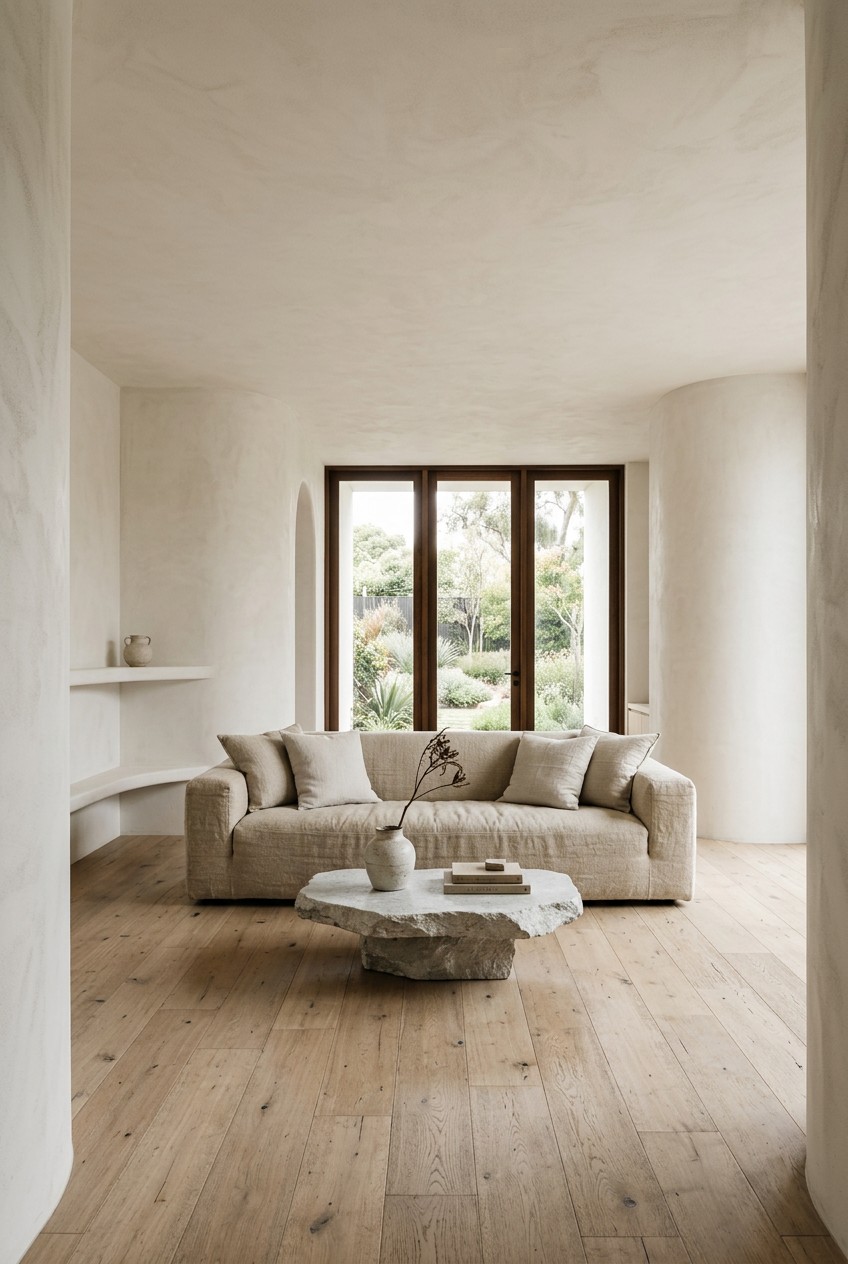
The era of cold, sharp-edged furniture is completely dead. Thank goodness. We’re moving toward warm minimalism, which focuses on texture, comfort, and natural grain. You want pieces with clean lines built from FSC-certified oak, walnut, or Moso bamboo. I used to have a glass and chrome coffee table that showed every single fingerprint. I spent half my life wiping it down with glass cleaner. Now, I rely on brands like Blu Dot. They’re committed to using 100% sustainably sourced wood, and their stuff actually passes Clean Air Gold or Silver certifications. Medley Home is another fantastic brand. They use organic finishes like beeswax and olive oil to polish their wood. You can literally smell the honey and oil when you unbox their furniture. It adds a subtle, earthy scent to your living room. Skip the glossy veneers. They chip easily, look cheap after a year, and completely ruin the organic minimalist home vibe.

seenlast Candle Warmer Lamp with Timer Dimmer Adjustable
seenlast Candle Warmer Lamp with Timer Dimmer Adjustable Height for Ne punches above its price — 38 buyers rated it 4.5 stars. I would buy it again.
4. DIY Your All-Purpose Cleaner with Specific Ratios

Stop buying neon blue cleaning sprays. They smell like artificial pine and give me an instant migraine. Making your own cleaner is ridiculously cheap. I used to buy five different eco-cleaners at Sprouts, spending $30 a month just on soap. Now I make my own. Grab a 16 oz glass spray bottle. Mix 1 cup of plain white vinegar with 1 cup of distilled water. Add exactly 15 drops of lemon essential oil to cut the harsh vinegar smell. If you need something stronger for grimy counters, try the Wellness Mama recipe. Mix 1 teaspoon of borax, 1 teaspoon of unscented Castile soap, 1/2 teaspoon of washing soda, and 2 cups of distilled water. Shake it up. It cuts through bacon grease like magic. The Castile soap costs about $15.99 for a 32 oz bottle, but it lasts for six months. Your house will smell like real lemons, not a factory.
5. Implement the 12-12-12 Decluttering Method Regularly

Decluttering usually feels like a massive, exhausting chore. You pull everything out of your closet, get overwhelmed, and shove it all back in. I used to do this every Sunday. It ruined my weekends. Then I discovered the 12-12-12 method from Joshua Becker. It’s incredibly simple and highly effective. You find 12 items to throw away, 12 items to donate, and 12 items to put back in their actual home. I do this every Friday evening before I pour a glass of wine. Last week, I tossed 12 expired coupons, put 12 stray books back on the shelf, and bagged up 12 old coffee mugs for donation. It took me fourteen minutes. You get quick wins without turning your living room into a disaster zone. It stops the slow creep of clutter from random mail and impulsive shopping trips. Try it once. You’ll be shocked at how fast you can find 36 things to deal with. You might also like: 20 Charming Minimalist Counter Decor Kitchen Ideas That Are Totally Worth It
6. Curate a Capsule Wardrobe with Quantifiable Limits

My closet used to be a nightmare of fast fashion. I had 40 t-shirts but wore the same three every week. I finally cracked down and built a capsule wardrobe. Having strict, quantifiable limits is the only way this works. The sweet spot is 15 to 20 tops, 10 to 15 bottoms, 5 to 10 dresses or jumpsuits, and 2 to 3 outerwear pieces. This forces you to make ruthless decisions. Last month at Costco, I saw a 3-pack of basic tees for $12.99. I almost bought them out of habit. Then I remembered my limit. I didn’t need them, so I walked away. It felt amazing. Stick to natural fibers like organic cotton, linen, and merino wool. They drape better, breathe better, and don’t pill after two washes. A curated closet means getting dressed takes three minutes. You aren’t digging through piles of synthetic sweaters that make you itch. You might also like: 20 Beautiful Capsule Wardrobe Ideas for Any Style
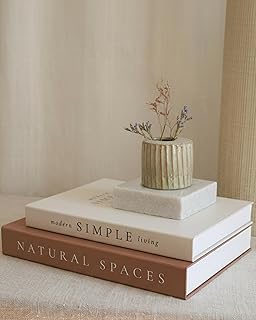
Beautiful Decorative Books
Honestly, Beautiful Decorative Books – Set of 2 Boxes Enhance Your Coffee Table surprised me — sturdier than it looks in the photos, and over 282 buyers gave it 4.5 stars.
7. Prioritize Natural Light and Biophilic Design

Biophilic design is just a fancy term for bringing the outdoors inside. You want your space to feel connected to nature. The easiest way to do this is by maximizing natural light. Take down heavy, dark curtains. I swapped my thick blackout drapes for sheer linen panels that cost $45 a pair. The difference was immediate. The room felt twice as big. Next, bring in live plants. Don’t buy plastic fakes. They collect dust and look tacky. I buy my starter plants at Trader Joe’s. You can get a healthy Monstera or a trailing Pothos for $12.99. Put them in simple terracotta pots. Plants naturally purify the air and add a vibrant green pop against neutral walls. I water mine every Sunday morning. The smell of damp soil is incredibly grounding. It forces you to slow down and care for a living thing. You might also like: 15 Cozy 2026 Capsule Wardrobe Ideas That Are Totally Worth It
8. Opt for Quality Over Quantity in Every Purchase

I used to furnish my apartments with the cheapest stuff I could find. I bought a $39 particleboard bookshelf from Walmart that sagged in the middle within two months. It looked terrible and ended up in a landfill. Adrika, an interior stylist from Castlery, constantly preaches that less is more. She’s totally right. Instead of buying five cheap throw pillows for $10 each, save up and buy one gorgeous, hand-woven wool pillow for $65. It’ll hold its shape, feel soft against your skin, and last for years. When you buy cheap, you buy twice. This applies to everything from kitchen knives to area rugs. I recently saved up for a solid oak dining chair. It cost $250, which stung my wallet initially. But running my hand over the smooth, heavy wood feels completely different than touching flimsy plastic. It grounds the room.
9. Master the “Magic Number” Technique for Household Items

This is my absolute favorite trick for stopping household clutter. You need to figure out your magic number for every category of items. I used to have 14 bath towels for just me and my husband. They took up an entire linen closet and smelled musty because we rarely used the ones at the bottom. The rule is simple. If you have two people, you need two bath towels each, plus one hand towel each. Your magic number for bath towels is four. For hand towels, it’s two. Maybe keep two extra for guests. That’s it. Eight towels total. I applied this to my kitchen last year. I went to Kroger, bought a simple set of four matching glass tumblers for $15.99, and donated my random collection of 20 mismatched plastic cups. My cabinets look like a boutique now. Once you hit your magic number, you can’t buy more unless you’re replacing a broken item.

UTTCMK Bookshelf Decor Thinker Statue
A dependable everyday pick — UTTCMK Bookshelf Decor Thinker Statue – Abstract Art Reading Thinker S pulls in 771 ratings at 4.5 stars. Not flashy, just solid.
10. Avoid the “Cold Minimalism” Mistake in Your Organic Minimalist Home

A massive mistake people make is turning their house into a sterile cube. I did this in 2019. I painted my walls stark hospital white, bought a gray synthetic sofa, and hid all my personal items. My friends hated coming over because they felt like they couldn’t touch anything. Soft minimalism is the fix. You need warmth and texture. Swap out stark white for earthy neutrals like warm beige, soft terracotta, or pale olive. Bring in a chunky wool throw blanket. I found a gorgeous, undyed wool blanket for $85 that smells faintly of natural sheep’s wool. It instantly softens the sharp lines of my living room. Add a linen slipcover to your sofa. Linen wrinkles naturally, and that imperfection is beautiful. It says humans actually live here. Don’t hide your life away. Display a handmade ceramic mug or a stack of worn books.
11. Integrate Natural Materials for Texture and Visual Interest

If your room feels flat or boring, you don’t need more stuff. You need more texture. An organic space relies on the raw beauty of natural materials. Think matte ceramics, rough plaster walls, woven rattan, and chunky jute rugs. I have a 5×8 jute rug under my dining table that cost $120. Walking on it barefoot feels like a light foot massage. It adds a gritty, earthy texture that anchors the smooth wooden table. I also love using matte stoneware. Glossy plates show every scratch, but matte ceramics absorb light and look incredibly sophisticated. I bought a set of four handmade pasta bowls for $48. They have tiny imperfections in the glaze that make them totally unique. Mix your materials. Put a smooth glass vase on a rough reclaimed wood console. The contrast is what makes a minimalist room visually stunning.
12. Create a Dedicated “Drop Zone” for Incoming Items

Clutter doesn’t happen all at once. It happens one piece of mail at a time. If you don’t have a system, your kitchen island becomes a dumping ground for keys, sunglasses, and random receipts. I fought this battle for years. My dining table was basically a filing cabinet. The solution is a dedicated drop zone right by your front door. I bought a narrow, solid wood console table from Target for $110. I placed a shallow woven basket on top for my keys and wallet, and a small ceramic tray for incoming mail. That’s it. When I walk in the door, everything goes into the drop zone. It takes two seconds. Every Sunday, I sort the mail tray and recycle the junk. It keeps the rest of my house completely clear. If you don’t give your daily items a specific home, they’ll colonize your entire living space.

Dog Sculpture Home Decor Cute Man and Dog Statue Decoration
Honestly, Dog Sculpture Home Decor Cute Man and Dog Statue Decoration for Office surprised me — sturdier than it looks in the photos, and over 326 buyers gave it 4.5 stars.
13. Choose Sustainable Furniture Brands with Strong Certifications

Greenwashing is a huge problem right now. Every brand claims to be eco-friendly, but most of it’s just marketing fluff. You have to look for actual, verified certifications. FSC (Forest Stewardship Council) ensures the wood wasn’t illegally clear-cut. GOLS and GOTS cover organic latex and textiles. GREENGUARD Gold means the piece won’t off-gas toxic VOCs into your living room. The Citizenry is a brilliant brand for this. They partner directly with global artisans and pay fair trade wages. I bought a hand-woven lumbar pillow from them for $135. It came with a card signed by the weaver in Mexico. It feels incredible to know exactly where your items come from. Certified B Corporations are also a safe bet. They’re legally required to consider their impact on the environment. Stop buying anonymous, flat-pack furniture that smells like glue. Invest in pieces with a transparent history.
14. Utilize Multi-Purpose Natural Cleaners to Reduce Product Clutter

Open your cabinet under the kitchen sink. If you have 15 different plastic bottles for cleaning glass, tile, counters, and floors, you’re doing it wrong. I used to have a massive plastic bin full of specialized cleaners. Half of them were expired. Simplifying your cleaning supplies is a huge relief. You can clean 90% of your house with white vinegar, baking soda, and liquid Castile soap. If you want a pre-made system, Branch Basics is incredible. You buy one bottle of their non-toxic concentrate for $55. It comes with refillable glass spray bottles. You just add water and a few drops of concentrate depending on what you’re cleaning. I use it for my bathroom mirrors, my kitchen counters, and even as laundry detergent. It removes the visual clutter of brightly colored plastic bottles. Plus, my house doesn’t smell like a chemical factory anymore.
15. Apply the “6-Second Rule” for Instant Decluttering Decisions

We all have those items we hold onto just in case. A weird vegetable spiralizer. A sweater that doesn’t fit. I used to agonize over whether to keep things. I’d hold a shirt for ten minutes, justifying why I might need it for a hypothetical costume party. Now, I use the 6-second rule. When you pick up an item, ask yourself: Do I need this? Do I use this? Do I love this? If you can’t confidently say yes to one of those within six seconds, put it in the donation box. I did this with my kitchen gadgets last month. I held up a $25 avocado slicer. Six seconds passed. I realized a regular knife works perfectly fine. Into the donation box it went. This rapid-fire method bypasses your brain’s tendency to create sentimental attachments to plastic junk. It makes decluttering feel like a game instead of a chore.

PoKat 23" Modern Ceramic Table Lamp Set of 2 for Living
A dependable everyday pick — PoKat 23″ Modern Ceramic Table Lamp Set of 2 for Living Room White Des pulls in 15 ratings at 4.5 stars. Not flashy, just solid.
16. Incorporate Imperfect Vintage Finds for Soul

A perfectly new room feels sterile. It looks like a furniture catalog, not a home. To balance the clean lines of minimalism, you desperately need vintage items. I’m not talking about hoarding antiques. I mean one or two carefully chosen pieces with real history. I found a battered, solid brass candlestick at a local flea market for $18. It has a beautiful, dark patina and a tiny dent on the base. I placed it on my sleek, modern dining table. The contrast is gorgeous. Vintage wood is also incredible. I have a small, reclaimed wood stool in my bathroom that I use to hold a towel. It cost me $45 at an antique mall. It smells faintly of old pine and wax. These imperfect items add soul to your space. They tell a story. Don’t be afraid of scratches, dents, or faded colors. That wear and tear is exactly what makes a house feel inviting.
17. Limit Your Color Palette to Earthy Neutrals

Color chaos is the fastest way to ruin a minimalist vibe. If your living room is bright red, your kitchen is yellow, and your bedroom is blue, your brain never gets to rest. You need a cohesive, earthy palette that flows from room to room. I learned this when I painted an accent wall deep teal. It looked cool for about a week, then I got completely sick of it. It made the room feel heavy and dark. I repainted it using Clare Paint in a shade called Timeless. It’s a creamy, warm off-white that costs $64 a gallon. It completely changed the energy of the room. Stick to colors you find in nature. Sand, stone, terracotta, sage green, and warm oatmeal. These shades reflect natural light beautifully and create a calm, grounded atmosphere. When your walls and large furniture are neutral, your plants and natural wood pieces really pop.
Creating a space that feels both clean and alive takes time. You won’t get it right on the first try, and that’s completely okay. Start small. Swap out your toxic cleaners, clear off your kitchen counters, or invest in one beautiful set of organic sheets. Your home should be your sanctuary, not a storage unit for things you don’t even like. I’d love to hear which of these steps you’re tackling first. Pin this article for later when you need a little motivation to tackle that messy hall closet. You’ve got this.
Frequently Asked Questions
What is an organic minimalist home?
An organic minimalist home blends the clutter-free principles of minimalism with natural, non-toxic, and sustainable materials. It focuses on warmth, earthy textures, and eco-friendly choices rather than cold, sterile aesthetics.
How do I start decluttering for minimalism?
Start with the 12-12-12 method. Find 12 items to throw away, 12 to donate, and 12 to put back in their proper place. It gives you quick wins without overwhelming you.
Is organic furniture expensive?
It can have a higher upfront cost, but you’re paying for durability and non-toxic materials. Investing in one high-quality, FSC-certified piece saves you money over time because you won’t need to replace it constantly.
What colors work best for warm minimalism?
Stick to earthy neutrals inspired by nature. Warm beige, soft terracotta, pale olive, and creamy off-whites reflect natural light beautifully and create a calm, grounded atmosphere in your home.
