What’s Inside
- Prioritize Quality Basics from Japanese Brands
- Embrace the Less, Better, Stronger Philosophy
- Master Layering with Intent for Your Japan Capsule Wardrobe
- Opt for Relaxed, Clean Silhouettes (The Concept of Ma)
- Cultivate a Neutral and Muted Color Palette
- Understand Japanese Sizing Differences Before Buying
- Invest in High-Quality Japanese Denim
- Incorporate Wabi-Sabi Principles into Your Clothes
- Choose Versatile Outerwear for Unpredictable Days
- Explore Minimalist Japanese Bag Brands
- Consider Split-Toe Tabi Footwear for a Unique Look
- Leverage Tax-Free Shopping in Japan If You Visit
- Embrace Gender-Neutral Silhouettes and MEN’SLIKE Trends
- Focus on Natural and Breathable Fabrics
- Don’t Overlook GU for Budget-Friendly Japan Capsule Wardrobe Additions
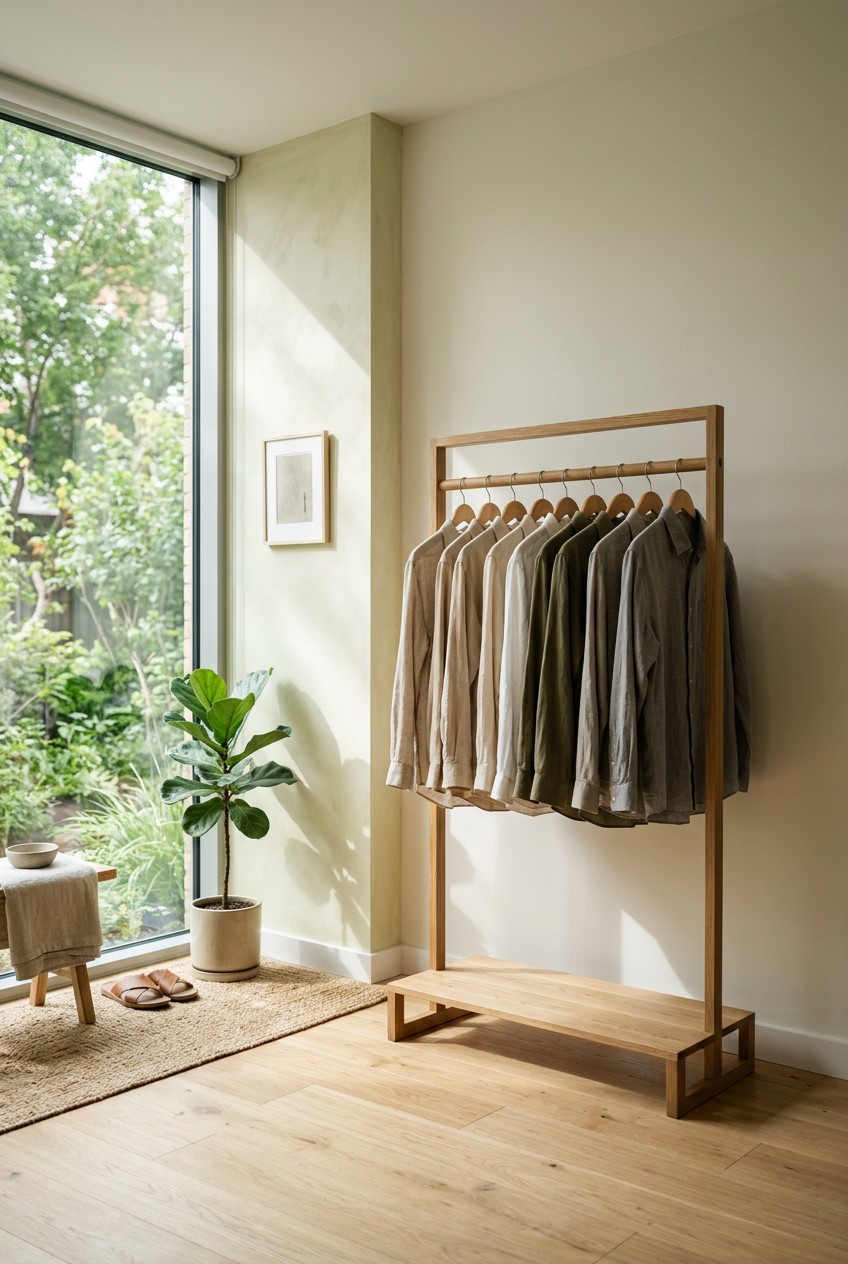
Last November, I stood in a freezing Target parking lot with sticky iced coffee dripping down my cheap, paper-thin polyester sweater. That was the moment I realized my closet was full of garbage. I desperately needed a Japan capsule wardrobe. My clothes were literally falling apart. I felt miserable. Building this kind of wardrobe isn’t just about buying neutral colors. It’s about changing how you interact with fabric, fit, and function. I did this wrong for months. I bought stiff, uncomfortable pieces that looked minimal but felt like wearing a cardboard box. I’ve spent two years testing fabrics, making expensive sizing mistakes, and finally curating a collection that works for real life. Let’s ditch the flimsy fast fashion and build something that lasts.
1. Prioritize Quality Basics from Japanese Brands

When I started clearing out my closet, I kept buying awful multipack shirts. They twisted at the side seams after one wash. I learned that the hard way. Now, I stick to quality basics from Japanese brands. My favorite is the Uniqlo Supima Cotton T-shirt. It costs $14.90 in the US, though you can find it for around ¥1,500 in Tokyo. The fabric is a midweight 4 oz cotton that feels smooth against your skin. It doesn’t pill, and the collar won’t stretch into a sloppy mess. Skip the cheap stuff. It wears out instantly. You want clothes that hold their shape through sweat, rain, and daily life. I wash my Uniqlo tees in cold water with 2 tablespoons of gentle detergent, then hang them dry on wooden hangers. The fibers stay crisp. A solid foundation relies on these heavy-duty basics. If your base layer is flimsy, your entire outfit looks cheap. I’ve worn the same black Supima tee for two years, and it still looks brand new.
2. Embrace the Less, Better, Stronger Philosophy

Last year, I spilled a smoothie on myself and panicked. I ran into a Walmart and bought an $8 emergency button-down. It felt like sandpaper and fell apart at the shoulder seam two weeks later. That disaster taught me to adopt the Japanese principle of fewer items, better materials, and stronger build quality. Instead of buying ten cheap shirts, I rely on the Muji Washed Oxford Button-Down. It costs $29.90 and features a dense, heavy 6 oz cotton that softens with wear instead of disintegrating. The stitching is tight, and the collar stands up perfectly. You’re better off owning three incredible shirts than a closet full of trash. When you buy stronger materials, you spend less time replacing torn garments. I keep my wardrobe limited to pieces that can survive a busy week without needing dry cleaning. This forces you to be picky. If an item feels thin or the buttons look loose, I won’t buy it.
3. Master Layering with Intent for Your Japan Capsule Wardrobe

Japanese fashion emphasizes creative layering to add dimension and survive unpredictable temperatures. I used to just throw a bulky sweater over a t-shirt. That left me sweating indoors and freezing outdoors. Last Tuesday, I was shivering in the freezing Costco dairy aisle. Thankfully, I wore my Uniqlo Heattech crew neck top. It costs $14.90 and is barely 2 millimeters thick, but it traps heat perfectly. I layered it under a loose linen button-down and felt comfortable. For a trending silhouette, try layering a 32-inch long skirt over wide-leg trousers. It sounds weird, but it looks chic and keeps the wind off your legs. Master layering by mixing textures. Put a smooth, thin synthetic base under a rough, heavy natural fiber. I’ve ruined outfits by layering thick cotton over thick cotton, which just makes you look like a stuffed marshmallow. Keep your base layers skin-tight and your outer layers roomy.

Cicy Bell Womens Casual Blazers Open Front Long Sleeve Work
Cicy Bell Womens Casual Blazers Open Front Long Sleeve Work Office Sui punches above its price — 225 buyers rated it 4.5 stars. I would buy it again.
4. Opt for Relaxed, Clean Silhouettes (The Concept of Ma)

Japanese minimalism values “Ma,” which is the beauty of empty space. In fashion, this means choosing clean, relaxed fits that let your body breathe. I used to wear skin-tight skinny jeans that dug into my waist. It was miserable. Now, I exclusively wear pieces like the Muji Wide-Leg Chino Trousers. They cost $49.90 and feature a generous 11-inch leg opening. I wore them to Whole Foods last week. Walking past the organic apples, I felt put together and comfortable. The fabric didn’t cling, and I could bend down to grab a bag of coffee beans without feeling restricted. Avoid overly tight clothing. It ruins the effortless vibe of a minimalist closet. You want fabric that drapes gracefully. When trying on clothes, sit down. If the waistband pinches, put the item back. Space between you and your clothes is a good thing.
5. Cultivate a Neutral and Muted Color Palette

I used to own neon pink sweaters and bright yellow pants. Getting dressed felt like solving a math problem because nothing matched. I finally switched to a restrained color palette. I stick to charcoal, navy, black, off-white, and olive green. Muted tones are a hallmark of modern Japanese fashion. They allow you to mix and match every item in your closet blindly. My favorite piece is the Uniqlo U Crew Neck T-shirt in olive. It costs $14.90 and has an earthy tone that pairs with black trousers or dark denim. By eliminating loud prints, your wardrobe becomes functional. You aren’t wasting twenty minutes every morning staring at a striped shirt that clashes with your plaid pants. If you need color, add a burgundy scarf or a dark green tote. Keep the core neutral. I can pack a tiny carry-on for a ten-day trip because every top matches every bottom perfectly. You might also like: 15 Creative Minimalist Home Tips You’ll Want to Bookmark
6. Understand Japanese Sizing Differences Before Buying

Most people get this wrong. Assuming Western sizing translates to Japanese brands is a massive mistake. Two years ago, I ordered a beautiful Beams Boy striped t-shirt online for $45.00. I ordered my usual US Small. When it arrived, it fit like a toddler’s shirt. I couldn’t get my arms through the sleeves. Japanese clothing runs smaller and shorter. A US size 4 is a Japanese size 9. If you’re taller than 160cm (about 5’3″), you’ll face issues with sleeve lengths and trouser hems. Always check the specific garment measurements in centimeters before handing over your credit card. Look at the shoulder width and total length. I measure my best-fitting shirt flat on a table and compare those numbers to the sizing charts. It saves me money in return shipping. Don’t let your ego get tied up in the size tag. If you need an Extra Large in a Japanese brand to get the right drape, just do it. You might also like: 15 Inspiring Minimalist Lifestyle Tips That Make a Real Difference
ZEAGOO Button Down Shirt for Women Long Sleeve Blouses
Honestly, ZEAGOO Button Down Shirt for Women Long Sleeve Blouses Floral Printed surprised me — sturdier than it looks in the photos, and over 14 buyers gave it 4.5 stars.
7. Invest in High-Quality Japanese Denim

Cheap jeans stretch out at the knees after three hours. I hate pulling up my pants all day. If you want an upgrade, invest in high-quality Japanese denim. It’s renowned for durability and aging potential. I swear by Momotaro Jeans. They run between $200.00 and $400.00, which sounds steep, but they’re indestructible. I bought a pair of their 14 oz selvedge denim jeans last year. Out of the box, they felt as stiff as cardboard. I couldn’t even bend my knees. But after a month of wear, the dense cotton molded to my body. They developed beautiful, subtle fade lines behind the knees. This embodies the “Shibui” philosophy of understated elegance. You aren’t buying pre-distressed jeans with fake holes. You’re buying raw materials that document your life. Wash them inside out in cold water every few months, and they’ll last a decade. You might also like: 20 Cozy Minimalist Saving Money Lifestyle Tips You Need to See
8. Incorporate Wabi-Sabi Principles into Your Clothes

Wabi-sabi is the Japanese aesthetic of finding beauty in imperfection. Instead of throwing away clothes the second they look worn, you learn to appreciate how they age. I own a gorgeous Kapital denim chore jacket that cost $350.00. A few months ago, I caught the sleeve on a sharp metal fence and ripped a two-inch hole. I was furious. But instead of tossing it, I bought thick navy cotton thread and repaired it using traditional boro stitching. The visible, messy stitches made the jacket look cooler and more unique. Value your faded indigo pieces. Fast fashion trains us to want everything looking shiny and brand new forever. That’s a toxic mindset. Clothes are meant to be lived in. A frayed hem or a repaired tear shows character. Stop treating your wardrobe like a museum exhibit. Wear your clothes hard, repair them, and appreciate the aging process.
9. Choose Versatile Outerwear for Unpredictable Days

You don’t need eight different coats. You only need two versatile pieces. First, a structured layer, like a heavy cotton canvas chore jacket. Second, a functional, weather-ready shell. I rely on the Muji Water-Repellent Packable Hooded Jacket. It costs $39.90 and weighs nothing. Last month, I was walking through the Trader Joe’s parking lot when a freezing rainstorm hit. I pulled the Muji jacket out of my tote, threw it over my sweater, and stayed dry while everyone else sprinted for their cars in soaked hoodies. The water beaded right off the nylon. When the sun came back out, I folded it into its own 5-inch pocket. Versatile outerwear is the secret to surviving transitional seasons. Make sure your rain shell is loose enough to fit over a thick wool sweater. If your jacket is too tight, you won’t wear it.

WIHOLL Womens Summer Tops 2026 Short Sleeve V Neck T Shirts
If you want something that just works, WIHOLL Womens Summer Tops 2026 Short Sleeve V Neck T Shirts Fashion Be is a safe bet (65 reviews, 4.5 stars).
10. Explore Minimalist Japanese Bag Brands

I used to carry heavy leather totes that destroyed my shoulders. By the end of the day, my neck was throbbing. I switched to minimalist Japanese bag brands. Porter (Yoshida & Co.) is the gold standard. I bought their classic Tanker Fanny Pack for $346.00. It’s made from durable nylon inspired by MA-1 flight jackets. I wore it across my chest while digging through bulk bins at Sprouts last weekend. I dropped a handful of almonds, but because the bag was strapped to my body, I had both hands free to clean up without dropping my purse on the floor. The bright orange interior makes it easy to find my keys in the dark. If you prefer leather, look into a brand called REN. They make lightweight, unlined pigskin leather bags that show the natural texture of the hide. Stop carrying heavy bags.
11. Consider Split-Toe Tabi Footwear for a Unique Look

This is my favorite style secret. Most people are terrified of split-toe shoes, but Jikatabi footwear is great. These were designed for Japanese construction workers, but they’re now available as minimalist sneakers. I bought a pair of Marugo tabi sneakers for $85.00. The first time I put them on, the fabric separating my toes felt bizarre. I almost returned them. But after walking around for an hour, I realized how comfortable they are. They give your toes room to splay. I wore them to Kroger on a rainy Tuesday. Someone had spilled water near the produce, and the floor was slick. While other shoppers were sliding in stiff boots, the flexible rubber soles of my tabi shoes gripped the floor. They add a visual statement to a simple outfit. Pair them with wide-leg trousers and a white tee, and you look like you know exactly what you’re doing.
12. Leverage Tax-Free Shopping in Japan If You Visit

If you travel to Tokyo, you must leverage the tax-free shopping for tourists. I made a huge mistake on my first trip. I bought items one by one at different stores and paid the 10% tax every time. Don’t do that. Wait until you have a list, then go to a participating store. Purchases of at least JPY 5,500 qualify for the exemption. I went to the Uniqlo flagship in Ginza and bought an Ultra Light Down Jacket for $69.90, plus three Supima tees and trousers. By hitting the threshold, I saved enough in taxes to buy a bowl of spicy ramen. Bring your physical passport; they scan it at the register. Keep in mind that tax-free consumable items are sealed in special bags you can’t open until you leave, but clothing can be worn immediately.

Arach&Cloz Women’s Wool Blend Sweaters Non See Through
A dependable everyday pick — Arach&Cloz Women’s Wool Blend Sweaters Non See Through Summer Business pulls in 16 ratings at 4.5 stars. Not flashy, just solid.
13. Embrace Gender-Neutral Silhouettes and MEN’SLIKE Trends

Stop restricting yourself to the women’s section. A trend in Japanese fashion is gender-neutrality, specifically the “MEN’SLIKE” style. This blends traditional menswear with a relaxed, empowering silhouette. I used to buy women’s t-shirts with tiny, useless cap sleeves that rode up into my armpits. I hated them. Now, I exclusively buy men’s tops. I recently bought the Uniqlo Men’s Wide-Fit Cargo Pants for $39.90. They have deep, functional pockets that hold my phone and keys, unlike the fake pockets on women’s pants. The boxy fit of a men’s medium t-shirt creates a cool, architectural drape. Steal your brother’s clothes, or just shop in the men’s department. Focus on how the fabric falls, not the gender label. Oversized silhouettes prioritize comfort and give you a powerful, effortless presence. Trust me.
14. Focus on Natural and Breathable Fabrics

I used to wear cheap acrylic sweaters that made me sweat while leaving me shivering. It was the worst. Now, I buy natural materials like cotton, linen, wool, and hemp. Japanese minimalist fashion favors these because Japan’s summers are humid. You need clothes that let air circulate. I bought a Muji French Linen Long-Sleeve Shirt for $39.90. The texture is crisp at first, but after three washes, it softens. Linen wrinkles, and you have to accept that. Don’t waste your life ironing casual clothes. The rumpled texture fits the wabi-sabi aesthetic. When you wear synthetic polyester, you’re wrapping your body in a plastic bag. Natural fibers absorb moisture and regulate your temperature. Check the tag on every item. If it says 100% polyester, put it back on the rack. Your skin will thank you.
15. Don’t Overlook GU for Budget-Friendly Japan Capsule Wardrobe Additions

Building a minimalist closet doesn’t mean you have to drain your savings. If you want the Japanese aesthetic without the price tag, explore GU. It’s Uniqlo’s younger, trend-focused sister brand. I was skeptical at first. I assumed the quality would be terrible. But I bought a GU Heavy Weight Sweat Pullover for $24.90, and it blew me away. The 13 oz cotton blend is thick, structured, and features a drop-shoulder design. If you’re overseas, you can find GU items like simple knit sweaters for under $10 SGD (about $7.50 USD). It’s the perfect place to experiment with a new silhouette or color without committing hundreds of dollars. The stitching isn’t as indestructible as a premium brand, so I wouldn’t buy my everyday denim there, but for trendy layering pieces, GU is a goldmine. Wash their items on a delicate cycle.
Curating this wardrobe took a lot of trial and error, but I can’t imagine going back to a closet full of chaotic fast fashion. No exaggeration. I recommend starting with two high-quality Muji basics and seeing how they change your morning routine. If you found these tips helpful, please pin this article to your favorite minimalist style board so you can reference these brand names and prices next time you’re ready to shop.

Zeagoo Satin Blouses for Women Silk Button Down Shirts Long
A dependable everyday pick — Zeagoo Satin Blouses for Women Silk Button Down Shirts Long Sleeve Bus pulls in 31 ratings at 4.5 stars. Not flashy, just solid.
Frequently Asked Questions
What is a Japan capsule wardrobe?
A Japan capsule wardrobe is a highly curated collection of versatile, high-quality clothing focused on minimalist Japanese aesthetics. It prioritizes durable fabrics, neutral colors, relaxed silhouettes, and the concept of ‘Ma’ (space) for maximum comfort.
Are Japanese clothing sizes different from US sizes?
Yes, Japanese sizing runs significantly smaller and shorter than Western sizing. A US size 4 often equates to a Japanese size 9. Always check specific centimeter measurements for shoulder width and length before purchasing.
Which brands are best for a Japan capsule wardrobe?
Uniqlo and Muji are excellent for affordable, high-quality basics. For premium investments, look into Momotaro Jeans for denim, Porter for minimalist bags, and Kapital for unique, wabi-sabi inspired outerwear pieces.
How do I add color to a minimalist Japanese wardrobe?
Keep your core pieces in muted tones like charcoal, navy, black, and olive. If you want color, add subtle, earthy accessories like a burgundy scarf or a dark green tote bag to maintain the minimalist aesthetic.
