What’s Inside
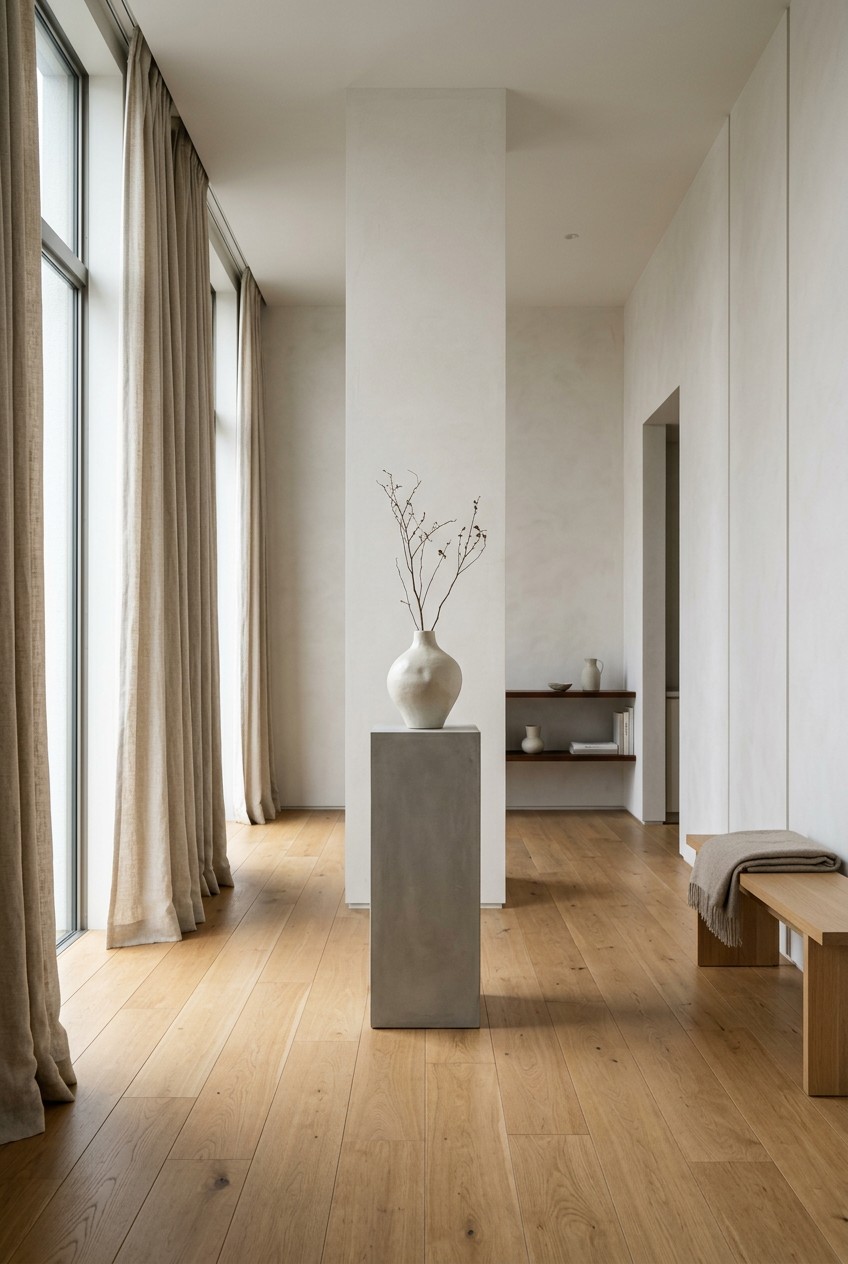
- Embrace Modern Organic Biophilic Minimalism
- Maximize Natural Light and Strategic Reflection
- Invest in High-Quality Organic Bedding
- Use the 90/90 Rule for Decluttering
- Choose Furniture with Raw Material Honesty
- Integrate Sculptural Biophilic Elements
- Hide Your Tech with Invisible Smart Home Features
- Layer Textures to Avoid a Sterile Natural Minimalist Home
- Curate a Neutral Color Palette with Intent
- Opt for Multi-Functional Furniture Pieces
- Simplify Cleaning with Non-Toxic Essentials
- Implement the 20/20 Rule for Just-in-Case Items
- Choose Sustainable Home Decor Brands
- Create a Zero-Waste Kitchen with Durable Tools
- Improve Acoustic Comfort with Natural Materials
- Mix Your Own Natural Minimalist Home Cleaners
- Prioritize Sleep Hygiene for Better Health
Three years ago, I sat on my living room floor crying over a $400 white rug that reeked of chemical glue. That was the moment I realized building a natural minimalist home is harder than Pinterest makes it look. I used to think minimalism meant tossing everything I owned to live in a sterile white box. I did it all wrong for months before finally figuring it out. My first apartment looked like a hospital waiting room, complete with cold metal chairs and zero personality. It felt awful. You don’t have to sacrifice comfort for simplicity. I’m here to show you how to blend organic elements with minimalist principles to create a space that actually feels like a sanctuary. Skip the stark, cold look. We’re focusing on warmth, texture, and intentionality. Here are seventeen ideas that changed my space. Trust me on this.
1. Embrace Modern Organic Biophilic Minimalism

I used to think minimalism meant living in a sterile white box. I tried this wrong for months. My first apartment looked like a hospital waiting room with its cold metal chairs. Now, I’m obsessed with modern organic biophilic minimalism. This shifts away from stark, cold rooms to a warmer approach that brings nature inside. You want a neutral palette of soft beige, sand, warm white, and earthy taupe. I recently bought a West Elm Harmony Sofa for $1,599 in a warm sand linen. The texture is slightly rough but cozy, and it changed the whole room. Organic materials ground the space. Soft, earthy tones make a room feel alive. I learned that the hard way after living with blinding white walls that gave me a headache. Stick to furniture with modern silhouettes but organic materials. Think oak coffee tables with curved wood frames instead of sharp glass edges. It’s much more inviting.
2. Maximize Natural Light and Strategic Reflection

I used to think privacy meant heavy velvet curtains. I bought massive, dark gray drapes that blocked out the sun completely. It made my living room feel like a cave. My plants died, and my mood tanked. Avoid the mistake of blocking natural light with heavy drapes. Opt for sheer curtains or blinds that let light filter through while keeping your privacy. I personally swear by Target Threshold Sheer Window Panels. They cost $14.99 per panel, and they let in a beautiful diffused morning light. Strategically place mirrors to reflect light, amplifying brightness and enhancing the room’s mood. I hung a 30-inch round mirror across from my biggest window. The room instantly felt twice as large and significantly warmer. You don’t need expensive lighting if you maximize what the sun already gives you. Just make sure you aren’t hanging mirrors where they reflect clutter. Keep the reflection focused on bare walls or a nice indoor plant.
3. Invest in High-Quality Organic Bedding

I spent years sleeping on cheap polyester sheets. I’d wake up sweating, tangled in fabric that felt like a scratchy plastic bag. Upgrade your sleep sanctuary with organic, non-toxic bedding. It’s an investment you won’t regret. Brands like Avocado offer organic sheets starting at $199, while Coyuchi sells a gorgeous twin sheet set starting at $298. They use GOTS-certified organic cotton and linen options that actually breathe. Dr. Jaclyn Tolentino, a Board-Certified Family Physician, notes that small changes in sleep hygiene can lead to massive improvements in energy, mood, and hormone function. Making quality bedding a health investment makes total sense. I bought the Coyuchi linen set last year. The fabric has a slightly nubby texture that softens with every wash. It smells like clean cotton, not warehouse chemicals. Most people get this wrong by prioritizing thread count over material quality. Stick to pure, organic materials. Your body needs a natural environment to truly rest.

Dog Sculpture Home Decor Cute Man and Dog Statue Decoration
Dog Sculpture Home Decor Cute Man and Dog Statue Decoration for Office punches above its price — 326 buyers rated it 4.5 stars. I would buy it again.
4. Use the 90/90 Rule for Decluttering

Decluttering used to paralyze me. I’d hold onto old magazines and broken blenders just in case. Then I found the 90/90 rule, and it shifted my mindset. For any item, if you haven’t used it in the past 90 days and don’t plan to use it in the next 90 days, let it go. This rule helps eliminate items that don’t add value. I grabbed a box of Hefty 30-gallon strong trash bags for $12.49 at Kroger and went to work. I started in my hallway closet. It smelled like dust and old plastic. I pulled out three umbrellas, a broken vacuum, and coats I hadn’t worn since college. While the rule is flexible—extend it to six months for seasonal items like winter boots—you have to be honest with yourself. If you aren’t going to use it, donate it. The physical space you gain back is worth so much more than hypothetical future use. My house felt lighter instantly.
5. Choose Furniture with Raw Material Honesty

There’s a clear return to materials that express their true nature. I’m talking about raw material honesty. Stop buying furniture covered in plastic veneers that peel off after two years. Select pieces made from hand-worked metal, limewash plaster, or natural stone. Brands like Greenington utilize Moso bamboo with a zero-waste philosophy. They sell a beautiful bamboo stool for $150 that feels incredibly sturdy. Blu Dot is committed to using 100% sustainably sourced wood, with many products meeting Clean Air certifications for low VOCs. I recently picked up a Blu Dot wood side table for $295. Running my hand over it, I can feel the actual grain of the wood. It doesn’t have that sticky lacquer finish you find on cheap furniture. It smells like real timber. When you choose materials that show their natural imperfections, your home feels grounded. I tried this wrong for months. I used to buy high-gloss white furniture because I thought it looked clean. It just looked cheap. You might also like: 15 Gorgeous Homemaking Simple Living Tips to Steal Right Now
6. Integrate Sculptural Biophilic Elements

Bring nature indoors with intentional greenery. I used to kill every plant I bought because I’d shove them into dark corners. Now, I choose sculptural plants like fiddle leaf figs, olive trees, or ferns and give them the light they deserve. You can find a decent Costa Farms fiddle leaf fig for $49.99 at Walmart. I also picked up a lush fern for $12.99 at Sprouts last Tuesday. Use minimalist planters made from stone, clay, or warm wood. For a surprising touch, consider a small indoor garden or moss wall in a well-lit corner, creating a breathing space without overcrowding. I personally swear by unglazed terracotta pots. They cost about $4.99 each and let the plant’s roots breathe. Plus, they develop a gorgeous weathered patina over time. Just make sure you aren’t turning your living room into a crowded jungle. One large, healthy olive tree in a quiet corner makes a much stronger statement than fifteen tiny succulents scattered across every surface. You might also like: 20 Cozy Minimalist Saving Money Lifestyle Tips You Need to See

PoKat 23" Modern Ceramic Table Lamp Set of 2 for Living
PoKat 23″ Modern Ceramic Table Lamp Set of 2 for Living Room White Des has been one of the most consistently praised picks in this category. 15 reviewers averaged 4.5/5.
7. Hide Your Tech with Invisible Smart Home Features

While minimalism values simplicity, smart home features can help without visual clutter. Look for integrated appliances and hidden controls that maintain a clean look. I used to have a massive black TV screen dominating my living room, with a rat’s nest of cords dangling below it. It was a massive eyesore. Now, I use a Samsung Frame TV that cost me $1,498. When it’s off, it displays a beautiful watercolor painting of a forest. The bezel looks exactly like light oak wood. You wouldn’t even know it’s a television until I turn it on. This aligns perfectly with the trend for tech-invisible solutions. I also spent an afternoon hiding all my router cables inside a woven seagrass basket I found for $19.99. You just cut a small hole in the back for the wires. Honestly, this changed how I feel sitting in my living room. Keep your technology functional but completely out of sight. You might also like: 15 Gorgeous Minimalist French Home Tips That Actually Work
8. Layer Textures to Avoid a Sterile Natural Minimalist Home

A common mistake in minimalist design is neglecting texture, which can lead to a cold or sterile space. I’ve been in so many minimalist homes that feel like operating rooms. You need to introduce warmth and depth through natural materials like wool rugs, raw wood, ceramic decor, and woven fabrics. A cozy throw on a linen sofa or a textured rug can significantly enhance comfort. I bought a Loloi wool texture rug for $249, and it warmed up my bedroom. Walking on it barefoot in the morning feels amazing compared to the cold, hard floor. You have to layer textures to avoid a sterile natural minimalist home. If your walls are smooth, add a chunky knit blanket. If your couch is sleek leather, toss on a rough linen pillow. It’s all about balance. I tried this wrong for months. I had smooth walls, smooth floors, and a smooth leather chair. The room echoed when I talked, and it felt incredibly uninviting.
9. Curate a Neutral Color Palette with Intent

While white is a good base, a room can feel lifeless without other colors. You should curate a neutral color palette with intent. Follow the 70/20/10 rule. You want 70% warm neutral like oat, bone, or mushroom. Then add 20% midtone natural like sage, olive, or laurel. Finally, use 10% dark accent like ink, charcoal, or smoked bronze. This creates a balanced, visually interesting space. I painted my bedroom walls with Sherwin Williams Alabaster paint, which runs about $72 per gallon. It’s the perfect warm oat color. Then I brought in sage green linen curtains and a few matte charcoal ceramic vases. The combination is incredibly soothing. Most people get this wrong by using stark, cool-toned whites that make a room feel like a dentist’s office. You want colors that mimic nature. Think about the shades you see on a walk through the woods. Skip the bright, artificial accent walls. They just create visual noise that distracts from the peaceful environment.

UTTCMK Bookshelf Decor Thinker Statue
Honestly, UTTCMK Bookshelf Decor Thinker Statue – Abstract Art Reading Thinker S surprised me — sturdier than it looks in the photos, and over 771 buyers gave it 4.5 stars.
10. Opt for Multi-Functional Furniture Pieces

To maintain an open and uncluttered environment, select furniture that serves more than one purpose. Space is a luxury, especially if you’re trying to keep things minimal. I used to have a coffee table, a storage trunk, and extra seating chairs all crammed into one tiny room. I kept bumping my shins on everything. Now, I look for items like a coffee table with built-in storage, or an ottoman that doubles as seating and storage. I recently bought the Article Timpani ottoman for $199. It holds all my extra winter blankets inside, serves as a footrest, and acts as an extra seat when friends come over. A low-profile platform bed with integrated drawers is another incredible space saver. You don’t need a massive dresser taking up floor space if your bed holds all your clothes. When every piece of furniture pulls double duty, you can own fewer things overall. This is the secret to keeping your floors clear and your mind calm.
11. Simplify Cleaning with Non-Toxic Essentials

Reduce chemical exposure and plastic waste by switching to effective natural cleaning products. I used to get terrible headaches from the harsh bleach sprays I bought at the grocery store. The artificial lemon scent would linger in the air for hours. Now, I use the Branch Basics Premium Starter Kit, which costs $75. It’s a gentle, plant-based concentrate you mix with water for multiple uses. Brands like Meliora also provide amazing plastic-free options with minimal ingredients. You don’t need a separate cleaner for your windows, your counters, and your bathroom tiles. That just creates a massive collection of ugly plastic bottles under your sink. I keep one glass spray bottle of all-purpose cleaner now. It frees up so much cabinet space. Honestly, this changed how I clean my house. I’m no longer breathing in toxic fumes while wiping down my kitchen counters. If you want a truly minimal home, you have to minimize the chemicals you bring into it.
12. Implement the 20/20 Rule for Just-in-Case Items

If you’re hesitant to declutter an item, ask yourself if you can replace it in less than 20 minutes for less than $20. This is the 20/20 rule, popularized by The Minimalists. It helps overcome the fear of needing an item later, as it can often be easily reacquired if truly necessary. I used to hoard random craft supplies and extra kitchen gadgets just in case. I had a drawer full of spare scissors and tape that I never touched. Last month, I finally threw out a rusty pair of scissors. If I ever desperately need a backup pair, I can buy Target up&up scissors for $3.49 in ten minutes. I’ve never actually had to replace any of the just-in-case items I’ve donated. We hold onto things out of fear, not utility. Let go of the cheap, easily replaceable clutter. Your home isn’t a storage unit for hypothetical emergencies. Once I embraced this rule, I cleared out three entire drawers in my kitchen.
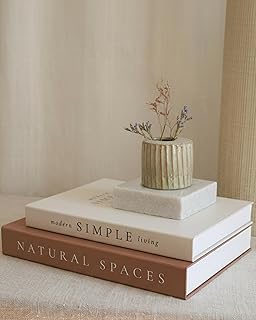
Beautiful Decorative Books
A dependable everyday pick — Beautiful Decorative Books – Set of 2 Boxes Enhance Your Coffee Table pulls in 282 ratings at 4.5 stars. Not flashy, just solid.
13. Choose Sustainable Home Decor Brands

When adding decorative elements, prioritize brands committed to ethical production and eco-friendly materials. I used to buy cheap, trendy decor from fast-fashion home stores. It always looked good for about a month before falling apart or looking dated. Now, I invest in pieces that actually mean something. The Citizenry offers 100% Fair Trade certified products made with GOTS-certified organic cotton and FSC-certified wood. I own a stunning lumbar pillow from them that cost $135. The woven texture is thick and durable, and it smells like natural wool. VivaTerra is another great brand that specializes in globally inspired, artisan-crafted goods from reclaimed wood. I have a reclaimed wood bowl from them that cost $89, and it sits perfectly on my dining table. These pieces bring genuine character to a room. You don’t need twenty cheap knick-knacks on a shelf. You just need one or two beautifully crafted, sustainable items. Buying less, but buying better, is the core of minimalist living.
14. Create a Zero-Waste Kitchen with Durable Tools

Minimize waste by investing in reusable and long-lasting kitchen items. My kitchen used to be overflowing with warped plastic containers and missing lids. It was a daily source of frustration. Replace plastic with glass food storage containers, silicone stretch bowl lids, and bamboo or stainless steel cooking utensils. I bought a Pyrex 18-piece glass storage set for $34.99 at Costco, and I’ll never go back to plastic. The glass doesn’t stain when I store tomato sauce, and it doesn’t hold onto weird food smells. Consider a wood dish brush with a replaceable, compostable head instead of plastic sponges. Sponges get gross so quickly and just sit in landfills forever. A wooden brush looks beautiful sitting next to your sink and actually scrubs pans better. Creating a zero-waste kitchen forces you to be intentional about what you cook and how you store it. Ditch the plastic wrap and the flimsy plastic tubs. Your kitchen will look so much cleaner.
15. Improve Acoustic Comfort with Natural Materials

A lesser-known aspect of natural minimalist design is sound quality. Most people get this wrong. They rip out all their carpets, buy sleek wooden furniture, and suddenly their living room echoes like a gymnasium. I know because I did exactly this. I couldn’t even have a normal conversation without hearing my voice bounce off the walls. You have to incorporate acoustic panels made from natural felt or wood slats. These improve the sound environment in a room while adding a modern architectural feature. I installed three slat panels from The Wood Veneer Hub, which run about $129 per panel. They have a thick felt backing made from recycled materials, with beautiful oak slats on the front. I put them behind my television, and the acoustic difference was mind-blowing. The room sounds soft and quiet now, contributing to a much more serene and focused space. Don’t underestimate acoustic comfort. Soften your walls to soften the noise.

seenlast Candle Warmer Lamp with Timer Dimmer Adjustable
seenlast Candle Warmer Lamp with Timer Dimmer Adjustable Height for Ne has been one of the most consistently praised picks in this category. 38 reviewers averaged 4.5/5.
16. Mix Your Own Natural Minimalist Home Cleaners

If you want to save money and reduce plastic, mix your own natural minimalist home cleaners. I used to spend a fortune on fancy eco-friendly sprays until I realized I could make them myself for pennies. For an all-purpose cleaner, use a 1:4 ratio of white vinegar to water with a few drops of essential oil. It’s a budget-friendly DIY solution that cuts through grease effortlessly. I buy a large jug of white vinegar at Trader Joe’s for just $2.99. Then I add about twenty drops of Aura Cacia lavender essential oil, which costs $9.99 for a bottle that lasts all year. The sharp vinegar smell dissipates in minutes, leaving behind a subtle, calming lavender scent. I use this mixture on my counters, my sinks, and my mirrors. It leaves no streaks and contains absolutely zero synthetic chemicals. Plus, mixing it takes less than two minutes. A simple glass bottle with vinegar and water is all you truly need to maintain a spotless space.
17. Prioritize Sleep Hygiene for Better Health

Your bedroom should be the ultimate minimalist sanctuary. Dr. Jaclyn Tolentino notes that small changes in sleep hygiene can lead to massive improvements in energy, mood, and hormone function. I used to scroll on my phone in a cluttered bedroom until 2 AM. I’d wake up exhausted and anxious. Now, I treat my bedroom like a luxury hotel room. I installed blackout shades and removed all electronics, including the television. I also started using a topical magnesium spray before bed to help my muscles relax. I buy the 365 brand magnesium spray at Whole Foods for $14.99. It stings a tiny bit at first, but it works wonders for deep sleep. Prioritize sleep hygiene for better health by keeping your nightstand completely clear of clutter. I only keep a lamp, a glass of water, and a physical book next to my bed. When you remove visual distractions from your sleeping environment, your brain finally gets the signal that it’s time to rest.
Creating a natural minimalist home doesn’t happen overnight. It took me years of trial and error, buying the wrong things, and slowly learning what actually brings me peace. Start small. Pick one room, clear out the clutter, and introduce a few natural textures. I personally recommend starting with your bedding or your cleaning supplies, as those impact your daily health the most. You’ll be amazed at how quickly your stress levels drop when your environment is calm and intentional. If you found these tips helpful, please pin this article to your home decor boards and save it for your next weekend project. Let’s make our homes work for us, not against us.
Frequently Asked Questions
How do you warm up a natural minimalist home?
You warm up a natural minimalist home by layering organic textures like chunky wool rugs, raw wood furniture, and soft linen fabrics. Avoid stark white paint and opt for warm neutrals like oat or bone to create an inviting atmosphere.
What are the best plants for a natural minimalist home?
Sculptural plants work best because they act as living architectural features. Fiddle leaf figs, olive trees, and large ferns in unglazed terracotta or natural stone planters add life without making the space feel cluttered.
How can I declutter effectively for a minimalist space?
Use the 90/90 rule. If you haven’t used an item in the past 90 days and don’t plan to use it in the next 90 days, you should donate it. Be brutally honest about what actually adds value to your life.
What colors work best in minimalist design?
Stick to the 70/20/10 rule. Use 70% warm neutrals like mushroom or sand, 20% midtone natural colors like sage green or laurel, and 10% dark accents like charcoal or smoked bronze to create a balanced, earthy space.
